
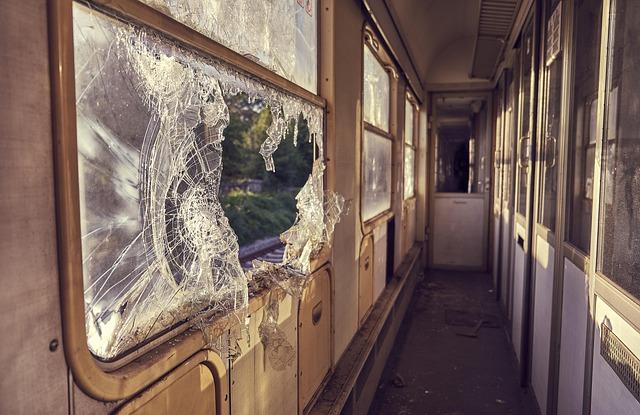

The Nigerian Railway Corporation (NRC) has confirmed that several passengers sustained injuries in the recent train incident on the Abuja-Kaduna route. The confirmation came amid heightened concerns over the safety of the popular rail line that connects the nation’s capital with Kaduna. Details of the occurrence and the condition of those affected were addressed at the Federal Radio Corporation of Nigeria (FRCN) Headquarters, as authorities continue to investigate the circumstances surrounding the incident.
NRC Confirms Injuries Among Passengers in Abuja Kaduna Train Incident
The Nigerian Railway Corporation (NRC) has confirmed that several passengers sustained injuries following the recent incident involving the Abuja-Kaduna train. Emergency response teams were promptly dispatched to the scene to provide medical assistance, and the affected individuals were transported to nearby hospitals for treatment. Authorities continue to investigate the cause of the incident, emphasizing that safety measures remain a top priority to prevent future occurrences.
Key details reported so far include:
- Number of injured passengers: 12
- Type of injuries: minor to moderate
- Response time: less than 30 minutes
- Train service disruption: temporary for assessment and clearance
| Response Team | Action Taken | Status |
|---|---|---|
| Medical Unit | Provided first aid and hospital transfer | Ongoing |
| Security | Secured the incident site | Completed |
| Technical Crew | Conducting damage assessment | In Progress |
Detailed Investigation Underway to Determine Causes of the Crash
The Nigerian Railway Corporation (NRC), alongside federal safety agencies, has launched an exhaustive inquiry to establish the precise factors that led to the unfortunate crash on the Abuja-Kaduna route. Preliminary findings are expected to focus on a range of critical elements, including track integrity, signal operations, and potential human error. The investigation team is currently gathering evidence from the crash site, collecting testimonies from survivors, and reviewing the train’s technical and maintenance records to piece together a comprehensive timeline of events.
Key areas under scrutiny include:
- Mechanical condition of the locomotive and coaches
- Communication protocol adherence between drivers and control centers
- Environmental and weather factors at the time of the incident
- Emergency response efficiency and passenger safety measures
| Investigation Parameter | Status | Expected Completion | ||||||||||||||
|---|---|---|---|---|---|---|---|---|---|---|---|---|---|---|---|---|
| On-site Evidence Collection | Ongoing | Within 1 Week | ||||||||||||||
| Technical System Analysis | In Progress | 2 Weeks | ||||||||||||||
| Witness and Survivor Interviews | Safety Experts Recommend Enhanced Security Measures and Emergency Response Protocols
In light of the recent injuries sustained by passengers on the Abuja-Kaduna train, experts in transportation safety are urging immediate improvements in both preventive and reactive strategies. Emphasis has been placed on the integration of advanced surveillance technologies, including AI-powered monitoring systems, to detect unauthorized access and suspicious activities before escalation occurs. Additionally, routine security audits and comprehensive passenger screening processes have been recommended to minimize risks effectively. Emergency response frameworks are also under scrutiny, with calls for enhanced coordination between railway authorities, local law enforcement, and medical teams. Key recommendations include:
Concluding RemarksThe National Railway Corporation’s confirmation of passenger injuries in the Abuja-Kaduna train incident underscores the ongoing challenges facing Nigeria’s rail transportation system. As investigations continue, authorities are urged to enhance safety measures and ensure accountability to prevent future occurrences. Further updates will be provided as more information becomes available. |