
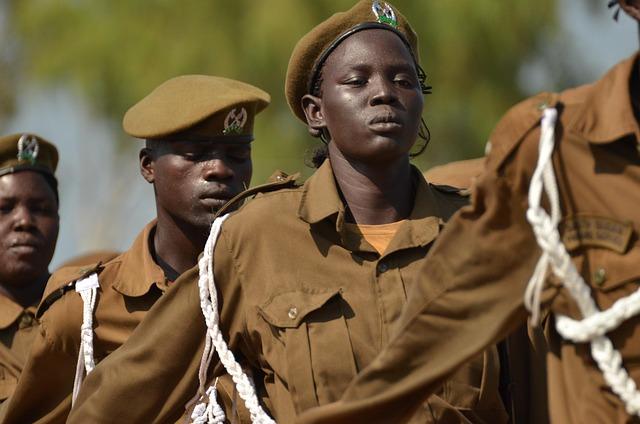
Sudan Crisis: Khartoum in 2026 – Capital of Epidemics and the Failure of Voluntary Return
As the world turns its attention to conflict zones and humanitarian crises, Sudan’s capital, Khartoum, stands at a critical juncture in 2026. Once a vibrant hub of culture and commerce, the city now grapples with the double-edged sword of rampant epidemics and the collapse of fundamental social structures in the wake of longstanding political turmoil. The ongoing crisis has forced millions to flee their homes, prompting a complex and contentious debate around the feasibility of voluntary return. In this article, we delve into the dire public health situation, the escalating humanitarian needs, and the challenges faced by displaced populations yearning to return to a city that has been irrevocably changed. As Khartoum navigates through a landscape marked by devastation and despair, we explore the implications for its residents and the broader region, highlighting the urgent need for comprehensive solutions and international support.
The Humanitarian Catastrophe: Understanding the Epidemic Landscape in Khartoum
In 2026, Khartoum stands at the epicenter of a humanitarian crisis, where the convergence of political instability and environmental degradation has precipitated an alarming rise in infectious diseases. The prolonged conflict has uprooted millions, creating conditions ripe for the spread of epidemics. Access to clean water and healthcare is severely limited, exacerbating numerous health threats. Among the most pressing concerns in this dire landscape are:
- Cholera and Waterborne Diseases: With the destruction of infrastructure, outbreaks have surged, leading to thousands of cases with a high fatality rate.
- Malaria: Stagnant waters from conflict-related damage serve as breeding grounds for mosquitoes, making them a continual threat.
- Measles and Polio: Vaccination campaigns have been disrupted, resulting in a resurgence of preventable diseases among vulnerable populations.
Moreover, the failure of voluntary return policies has further exacerbated the situation. Displaced individuals find themselves caught between a lack of support and deteriorating living conditions, often leading to crowded settlements where health systems are unable to cope. The combination of malnutrition, poor sanitation, and increased exposure to pathogens has cultivated a precarious public health environment. According to recent reports:
| Health Threat | Current Impact | Projected Cases (2026) |
|---|---|---|
| Cholera | Severe outbreaks in urban areas | Over 100,000 |
| Malaria | High transmission seasonality | 500,000 |
| Measles | Increasing cases due to vaccination gaps | 20,000 |
Challenges to Resettlement: The Obstacles to Safe Voluntary Return for Displaced Populations
The situation in Khartoum, as it stands in 2026, presents a grim outlook for the safe and voluntary return of displaced populations. Epidemics, lack of infrastructure, and ongoing violence create an environment where many are hesitant to return home. Key challenges include:
- Health Crises: The rise of diseases linked to overcrowded living conditions and deteriorating sanitation poses significant risks for returnees.
- Security Concerns: Residual conflict and the presence of armed groups continue to threaten the safety of those considering returning, eroding trust in the government’s ability to maintain peace.
- Economic Barriers: Limited job opportunities and the absence of support systems make returning to a decimated economy a daunting prospect for displaced individuals.
Moreover, government policies and international aid responses have not sufficiently addressed the complex needs of those displaced. Many families lack access to critical resources, which drives them to remain in precarious conditions rather than risk returning to their former homes. Various obstacles further complicate the situation:
- Legal Hurdles: Unclear property rights and bureaucratic complexities hinder the ability of returnees to reclaim their homes and livelihoods.
- Cultural Stigmas: Many communities harbor negative perceptions of returnees, which can lead to social exclusion and further destabilization.
- Logistical Challenges: Insufficient transportation and the destruction of roads make physical movement perilous and uncertain.
Pathways to Recovery: Strategic Recommendations for Addressing Sudan’s Ongoing Crisis
The ongoing crisis in Sudan necessitates a multifaceted approach to recovery, focusing on strengthening public health infrastructure, enhancing community resilience, and facilitating sustainable solutions for displaced populations. Key strategic recommendations include:
- Invest in Health Services: Prioritize the restoration of healthcare facilities and improve access to essential medical services, particularly in areas affected by epidemics.
- Enhance Mental Health Support: Implement community-based mental health programs to address trauma experienced by citizens due to ongoing conflict.
- Foster Economic Opportunities: Create job training and education programs tailored for displaced communities to encourage economic independence and stability.
- Strengthen Security Measures: Collaborate with local and international organizations to ensure safe environments for returnees and vulnerable populations.
In addition, a coordinated response among international aid organizations and local government is crucial. Establishing a framework for monitoring and evaluation will aid in transparency and accountability. This approach can include:
| Action | Priority Level | Stakeholders Involved |
|---|---|---|
| Healthcare Restoration | High | Government, NGOs, UN Health Agencies |
| Community Education Programs | Medium | Local NGOs, Educational Institutions, Community Leaders |
| Economic Development Initiatives | High | International Donors, Private Sector, Local Governments |
| Security and Safety Measures | Critical | National and Local Authorities, International Peacekeeping Forces |
To Conclude
As we witness the ongoing humanitarian crisis in Sudan, particularly in Khartoum, the grim reality of the city as a capital of epidemics and a symbol of failed voluntary return becomes increasingly evident. The challenges faced by displaced populations, exacerbated by a lack of infrastructure and strained resources, paint a bleak picture of what the future holds. International organizations, governments, and civil society must unite to address the urgent needs of those affected and to restore stability in the region. Without concerted efforts and sustainable solutions, the repercussions of this crisis will echo far beyond the borders of Sudan, necessitating a global response to prevent further deterioration. As we look ahead to 2026, the situation serves as a poignant reminder of the fragility of peace and the resilience of those who continue to suffer in silence. The time for action is now.











Mbalula slams external pressure’ as ANC rallies to defend democratic gains – EWN