
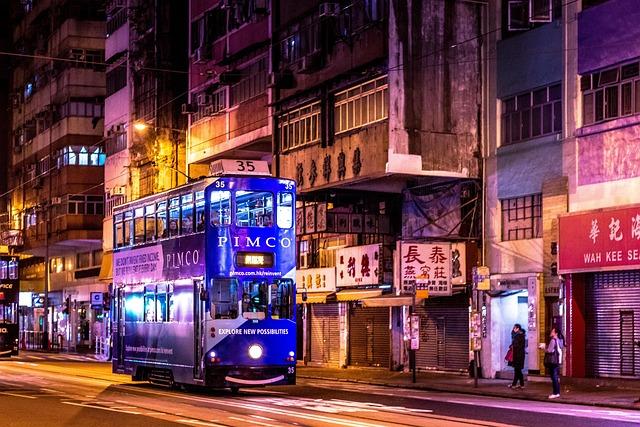

In a significant development that has raised concerns among human rights advocates, the Hong Kong government has announced revisions to its National Security Law, which could further expand the powers of law enforcement agencies. This move, characterized by authorities as a necessary step to enhance public safety and national stability, comes amidst ongoing scrutiny both locally and internationally regarding the implications for civil liberties in the region. As police are granted broader authority to act against perceived threats to national security, analysts warn of the potential repercussions for dissent and the diminishing space for free expression in what was once known for its vibrant civil society. This article examines the key changes to the law, the rationale behind them, and the reactions from various stakeholders in Hong Kong and beyond.
Hong Kong Strengthens National Security Law Enforcement Measures to Broaden Police Authority
The recent revisions to the National Security Law in Hong Kong mark a significant expansion of police authority, enabling law enforcement to take more proactive measures in maintaining public order. Among the key updates are provisions that grant police the ability to conduct searches and seize evidence without a warrant in cases deemed urgent. This shift is intended to enhance the effectiveness of the police force in addressing security-related threats and ensuring that any activities that challenge the state’s stability are swiftly dealt with. The government emphasizes that these measures are crucial for combating terrorism and safeguarding national interests.
Additionally, the new regulations aim to foster greater collaboration between police and intelligence agencies, which is expected to streamline operations and improve responsiveness. Under the revised framework, officers can also implement enhanced surveillance techniques to monitor suspected individuals or groups more closely. Supporters of the law argue that these enhanced powers are essential to protect citizens and maintain peace, while critics express concern about potential overreach and the erosion of civil liberties. As the situation unfolds, the impact of these measures on Hong Kong society remains to be seen.
Implications of Expanded Police Powers on Civil Liberties and Public Trust in Hong Kong
The recent revisions to the National Security Law in Hong Kong, aimed at boosting police authority, raise significant concerns regarding civil liberties. Citizens are now faced with an environment where fundamental rights-such as freedom of speech, assembly, and expression-may be compromised under the guise of maintaining national security. Key implications of these expanded police powers include:
- Heightened Surveillance: Increased surveillance capabilities enable law enforcement to monitor citizens more closely, potentially stifling dissent and civic engagement.
- Arbitrary Detentions: Broadened criteria for detaining individuals could lead to more arbitrary arrests, raising fears among the population.
- Chilling Effect on Free Speech: With the threat of punishment for perceived opposition or criticism, many may self-censor, hindering open discourse.
Moreover, the erosion of trust between the public and law enforcement becomes increasingly pronounced as police powers grow unchecked. Factors contributing to this erosion include:
- Loss of Accountability: As police powers expand, mechanisms for accountability may weaken, diminishing public confidence in law enforcement’s role.
- Perceptions of Bias: The potential for discriminatory application of the law may lead to perceptions of bias, particularly among marginalized groups.
- Community Relations: Strained relationships between police and communities can result in a breakdown of cooperation, vital for maintaining public safety.
Recommendations for Balancing National Security and Fundamental Rights in Hong Kong
As Hong Kong navigates the complex landscape of enhanced national security measures, it is imperative that any new policies strike a balance between maintaining public safety and safeguarding fundamental rights. To achieve this equilibrium, stakeholders should consider implementing the following strategies:
- Strengthening Oversight Mechanisms: Establish independent bodies to monitor police actions and assess the application of security laws.
- Transparent Communication: Ensure that the rationale behind law enforcement operations is communicated to the public to build trust.
- Legal Safeguards: Introduce clear legal frameworks that protect citizens against arbitrary detention and abuse of power.
- Public Engagement: Facilitate community dialogues to foster understanding of security measures while addressing citizens’ concerns.
Moreover, implementing formal training programs for law enforcement on human rights considerations will be critical. This could involve:
| Training Focus | Outcome |
|---|---|
| Conflict Resolution | Reduce confrontations between police and citizens. |
| Human Rights Awareness | Enhanced respect for individual rights during operations. |
| Crisis Management | Effective response to situations without infringing on freedoms. |
Wrapping Up
In conclusion, the recent revisions to Hong Kong’s National Security Law mark a significant expansion of police powers, raising concerns among human rights advocates and legal experts about the implications for civil liberties and personal freedoms in the region. As authorities emphasize the need for enhanced measures to maintain order and security, critics warn that such moves may further stifle dissent and limit the space for democratic expression. The global community watches closely as these developments unfold, with many advocating for a balanced approach that safeguards both national security and the fundamental rights of individuals. As Hong Kong navigates this complex landscape, the ongoing dialogue surrounding these changes will be crucial in shaping the future of governance and societal freedoms in the territory.