
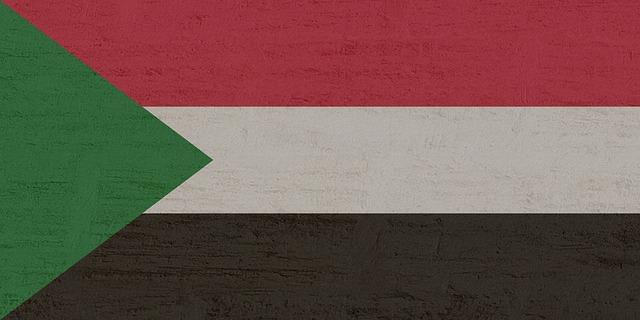
In a significant development amid the ongoing humanitarian crises in Sudan, the United Nations has initiated a gradual return of its operations to the capital city of Khartoum. This strategic decision marks a crucial step towards enhancing the UN’s capacity to respond to the urgent needs of the Sudanese population, who have faced unprecedented challenges due to conflict, displacement, and economic instability. As the situation in the country evolves, the UN aims to bolster its engagement and support while navigating the complexities of a fractured political landscape. This article explores the implications of the UN’s resurgence in Khartoum and the potential impact on relief efforts and peacebuilding initiatives in Sudan.
UN Resumes Operations in Khartoum Signaling Hope for Stability in Sudan
The resumption of operations by the United Nations in Khartoum marks a significant moment in the ongoing efforts to restore stability to Sudan. Following a period of turmoil and unrest, this development is seen as a crucial step towards fostering an environment where humanitarian support and diplomatic initiatives can thrive. The UN’s presence is expected to facilitate better coordination among international aid agencies and local authorities, thereby enhancing the availability of essential services for the Sudanese population. With the implementation of security protocols, UN personnel have begun to engage with community leaders, aiming to address pressing challenges through collaborative efforts.
As part of this renewed commitment, several key initiatives are set to unfold, including:
- Humanitarian Assistance: Delivery of food, medical supplies, and shelter for displaced individuals.
- Conflict Resolution: Initiatives aimed at dialogue among opposing factions, promoting peace-building activities.
- Capacity Building: Training programs for local governance and community leadership to strengthen local institutions.
This gradual move by the UN is not only a response to the immediate needs of the Sudanese people but also a proactive measure to lay the groundwork for long-term stability and development in a nation grappling with years of conflict.
Analysis of the UN’s Strategic Shift Towards Khartoum Amid Ongoing Conflict
In recent weeks, the United Nations has recalibrated its focus towards Khartoum, signaling a strategic shift that is being viewed as a pivotal step in addressing the ongoing humanitarian crisis in Sudan. The decision to re-establish a presence in the capital comes amid escalating conflicts and widespread instability across the nation. By moving closer to the heart of the political turmoil, the UN aims to enhance its capability to respond effectively to the pressing needs of the Sudanese people. This transition is underpinned by a commitment to provide essential support and facilitate dialogue among warring factions.
As the UN embarks on this renewed engagement, several key objectives underline its mission: strengthening humanitarian access, promoting peace negotiations, and enhancing collaboration with local organizations. The UN’s presence in Khartoum is expected to serve not only as a stabilizing force but also as a conduit for vital international assistance. Furthermore, there is an emphasis on leveraging this strategic position to advocate for the protection of civilians and to hold accountable those responsible for atrocities. The following table outlines the UN’s immediate goals in Sudan and their intended outcomes:
| Goal | Intended Outcome |
|---|---|
| Strengthen Humanitarian Access | Increase aid distribution and reduce suffering |
| Promote Peace Negotiations | Encourage dialogue and conflict resolution |
| Enhance Local Collaboration | Empower local organizations for effective response |
Recommendations for Ensuring Effective UN Engagement and Support in Sudan
To enhance the United Nations’ effectiveness in Sudan, it is crucial to prioritize the re-establishment of robust communication channels with local communities. This includes:
- Regular consultations with civil society organizations to ensure that the voices of diverse groups are heard.
- Utilizing technology for real-time feedback mechanisms that allow citizens to report on pressing issues and needs.
- Strengthening partnerships with regional organizations to foster a coordinated response to humanitarian challenges.
Moreover, the UN must focus on building a sustainable presence in key areas across Sudan by:
- Training local personnel to empower communities and create a sense of ownership in development initiatives.
- Implementing targeted programs that address the specific needs of vulnerable populations, particularly women and children.
- Enhancing operational transparency to build trust with Sudanese citizens and local authorities alike.
Concluding Remarks
In conclusion, the United Nations’ phased return to Khartoum marks a significant development in Sudan’s ongoing efforts to stabilize and rebuild following years of conflict and unrest. As international attention shifts back to the capital, this pivotal step reflects the UN’s commitment to supporting the Sudanese people amid a complex political landscape. Observers will be closely monitoring this transition, as it not only underscores the potential for renewed collaboration between the international community and Sudan but also highlights the challenges that remain. As Sudan continues its journey toward peace and recovery, the engagement of global partners will be essential in fostering enduring stability and promoting a brighter future for all Sudanese citizens.














Unión Gears Up for a Grueling Test Against Riestra, Estudiantes, Newell’s, and Vélez