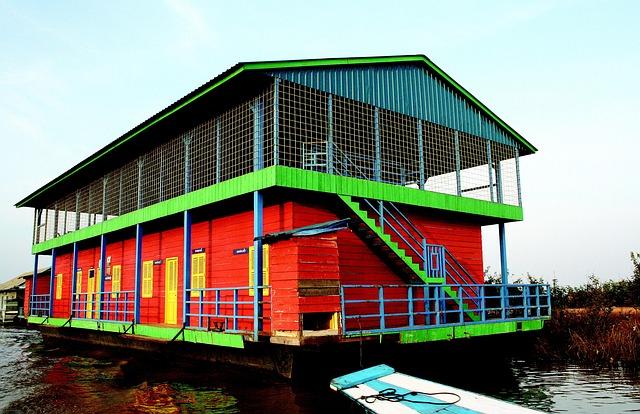
In a country where water has long shaped daily life, the Dutch are pioneering a unique architectural solution: floating homes. As urban populations grow and climate change intensifies, the Netherlands is turning to innovative living spaces that rise with the tides rather than resist them. This article explores why the Dutch have embraced floating homes, examining the environmental, economic, and cultural factors that make this trend not just a novelty, but a practical response to the challenges of modern living.
The Rise of Floating Homes in Dutch Urban Planning
Innovative solutions to urban density and environmental challenges have made floating homes a prominent feature in Dutch cityscapes. As land becomes increasingly scarce, especially in bustling urban centers like Amsterdam and Rotterdam, the Netherlands turns its waterways into valuable real estate. These homes not only offer a sustainable alternative to traditional housing but also demonstrate the country’s commitment to adapting to climate change, given their resilience to rising water levels.
Key benefits driving this housing trend include:
- Flexibility: Floating homes can be relocated or reconfigured more easily than conventional structures.
- Eco-Friendly Design: Many incorporate green technology such as solar panels and rainwater harvesting systems.
- Community Integration: Residents often form close-knit neighborhoods, fostering a unique urban culture tied to the water.
- Flood Resistance: Built to float, these homes mitigate the risks posed by the country’s low-lying geography.
| City | Number of Floating Homes | Year Established | Notable Feature |
|---|---|---|---|
| Amsterdam | 3,500 | 2005 | Integrated Water Gardens |
| Rotterdam | 2,200 | 2010 | Solar-Powered Communities |
| Groningen | 850 | 2018 | Flex-Floating Neighborhoods |
Innovative Design Meets Sustainability on the Water
In a country where land is at a premium and the threat of rising waters is ever-present, Dutch floating homes offer a visionary solution that blends cutting-edge architecture with environmental mindfulness. These residencies are not merely alternatives to traditional housing but represent a paradigm shift, showcasing how urban living can coexist harmoniously with nature. Architects leverage sustainable materials such as recycled wood, solar panels, and innovative rainwater harvesting systems to minimize the ecological footprint while ensuring these homes remain resilient against floods.
Key features making these homes stand out include:
- Hydro-insulated foundations that adapt to fluctuating water levels
- Energy-efficient designs reducing reliance on non-renewable sources
- Built-in green spaces promoting biodiversity and better air quality
- Community-centric layouts encouraging shared resources and strong local bonds
| Feature | Benefit | Impact |
|---|---|---|
| Floating Foundations | Adapts to water rise | Flood resilience |
| Solar Roof Panels | Renewable energy source | Lower carbon footprint |
| Rainwater Systems | Self-sustained water supply | Reduced municipal demand |
| Green Roofs | Natural insulation | Enhanced air quality |
What Other Cities Can Learn from the Dutch Floating Home Model
Urban centers worldwide grapple with rising populations and shrinking space, forcing architects and city planners to rethink conventional housing. The Dutch floating home model offers a compelling blueprint, showcasing how adaptability and sustainability can coexist in dense environments. These homes not only mitigate flood risks but also utilize waterways as valuable residential spaces, effectively expanding urban real estate without expanding the city’s footprint. This approach fosters a unique relationship between residents and their environment, emphasizing community engagement and resilience in the face of climate change.
- Flood resilience: Floating foundations adapt to rising water levels naturally
- Eco-friendly design: Use of energy-efficient materials and systems
- Community integration: Shared spaces that encourage social interaction
- Space optimization: Innovative use of limited waterways in urban planning
| Feature | Benefit | Global Application |
|---|---|---|
| Modular Construction | Faster build times with less disruption | Ideal for fast-growing cities |
| Renewable Energy Integration | Reduced carbon footprint | Urban sustainability goals |
| Waterfront Revitalization | Increased property value and tourism | Post-industrial urban zones |
Insights and Conclusions
As rising sea levels and urban housing shortages continue to challenge cities worldwide, the Dutch model of floating homes offers a compelling blueprint for resilient and innovative living. By blending engineering ingenuity with sustainable design, the Netherlands is not only preserving its battle against water but also redefining modern urban life. While floating homes may not be the ultimate solution for every region, their growing presence underscores the importance of adaptive strategies in the face of climate change and demographic pressures. The Dutch experience thus serves as both inspiration and a practical case study for cities seeking to navigate the uncertain waters ahead.