
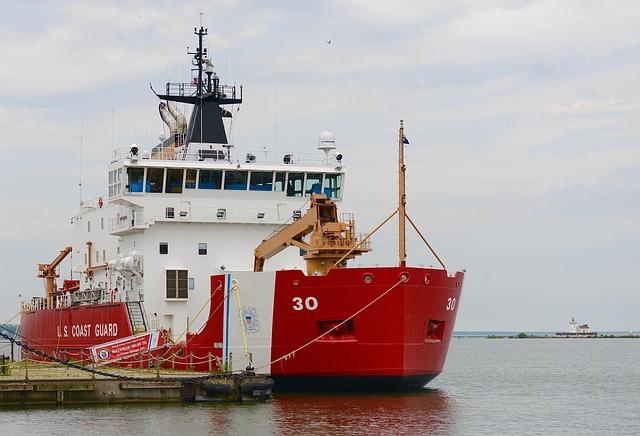

The United States Coast Guard Cutter Harriet Lane has returned home after successfully completing its latest patrol mission in the Oceania region. The vessel’s deployment, which focused on maritime security, search and rescue operations, and regional cooperation, underscores the Coast Guard’s commitment to safeguarding vital waterways and strengthening international partnerships. As the Harriet Lane docks, service members are welcomed back following months of dedicated service far from home.
Coast Guard Cutter Harriet Lane Completes Critical Security Operations in Oceania
The Coast Guard Cutter Harriet Lane has successfully concluded an extensive patrol throughout Oceania, significantly enhancing maritime security in the region. During the deployment, the crew conducted a series of coordinated operations aimed at disrupting illicit trafficking routes and enforcing fishing regulations within the exclusive economic zones of several island nations. Their presence provided critical support to partner nations, ensuring the safe and lawful use of the vast Pacific waters.
Key achievements during the patrol included:
- Interdiction of multiple unauthorized vessels suspected of smuggling contraband.
- Collaboration with regional coast guards to conduct joint maritime exercises.
- Delivery of humanitarian supplies to remote island communities affected by recent storms.
- Enhancement of search and rescue readiness through over 20 training drills.
| Operation Type | Duration | Outcome |
|---|---|---|
| Counter-Smuggling | 10 days | Seized 3 vessels |
| Joint Exercises | 7 days | Enhanced interoperability |
| Humanitarian Aid | 3 days | Delivered 5 tons of supplies |
Enhancing Regional Partnerships Through Joint Exercises and Humanitarian Missions
During its recent deployment in Oceania, the Coast Guard Cutter Harriet Lane significantly contributed to strengthening ties between the United States and regional partners. Through a series of coordinated joint exercises, the crew worked side-by-side with maritime forces from neighboring nations, enhancing operational interoperability and fostering mutual trust. These activities focused on key areas such as search and rescue, maritime domain awareness, and law enforcement techniques, which are crucial for maintaining stability and security across vast ocean territories.
In addition to tactical training, the Harriet Lane’s mission included vital humanitarian efforts, delivering medical aid and supplies to remote island communities affected by natural disasters. Such missions not only improve the immediate well-being of residents but also deepen collaborative frameworks among participating countries. The combination of practical training and compassionate outreach underscores the United States Coast Guard’s commitment to building resilient regional partnerships that extend beyond military engagement.
- Enhanced search and rescue coordination during multi-national drills
- Exchange of best practices in maritime environmental protection
- Medical outreach delivering essential healthcare supplies
- Promoting regional stability through joint law enforcement operations
| Partner Nation | Type of Exercise | Humanitarian Effort |
|---|---|---|
| Fiji | Search and Rescue Drills | Medical Supply Delivery |
| Papua New Guinea | Maritime Surveillance | Community Health Clinics |
| Vanuatu | Law Enforcement Coordination | Disaster Relief Support |
Recommendations for Sustaining Maritime Security and Strengthening Pacific Alliances
To ensure continued maritime security and reinforce ties across the Pacific, it is crucial to prioritize regular joint exercises and information-sharing protocols between U.S. maritime forces and allied nations. Enhancing interoperability through combined training operations sharpens response capabilities to emerging threats such as illegal fishing, smuggling, and unauthorized vessel movements. Investments in cutting-edge surveillance technologies-from drones to satellite monitoring-will also provide a decisive advantage in maintaining situational awareness across the vast Oceania region.
Equally important is fostering diplomatic engagement through multilateral forums that support transparent communication and mutual respect for sovereignty. Establishing permanent liaison offices within partner nations can facilitate sustained collaboration and crisis management coordination. Below is a summary of key initiatives recommended to sustain these efforts:
- Expand joint maritime patrols with Pacific Island nations to cover high-risk zones.
- Develop shared emergency response plans for natural disasters and security incidents.
- Support capacity-building programs for regional Coast Guards and navies.
- Increase funding for maritime domain awareness platforms tailored to Pacific waters.
| Initiative | Focus Area | Expected Impact |
|---|---|---|
| Joint Patrol Expansion | Security Coverage | Enhanced Real-Time Monitoring |
| Capacity Building | Local Enforcement | Improved Maritime Law Enforcement |
| Emergency Response Planning | Disaster Preparedness | Faster, Coordinated Crisis Action |
| Technology Investment | Surveillance & Recon | Greater Situational Awareness |
Insights and Conclusions
As the Coast Guard Cutter Harriet Lane returns to homeport following its successful patrol in Oceania, its crew’s dedication and vigilance underscore the United States Coast Guard’s enduring commitment to maritime safety, security, and international cooperation. The mission not only reinforced regional partnerships but also showcased the vital role of the Harriet Lane in safeguarding U.S. interests and promoting stability across the Pacific. Continued deployments like this highlight the Coast Guard’s readiness to respond to emerging challenges on the world’s oceans.