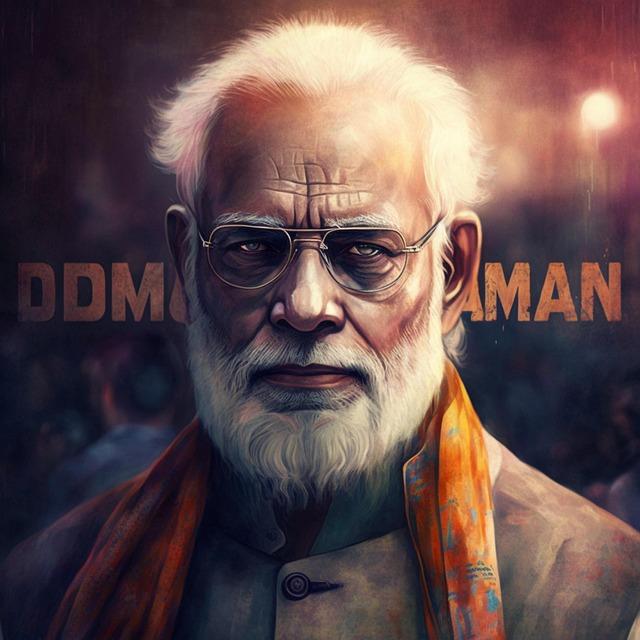
In a striking assertion that could reshape the political landscape of India, West Bengal Chief Minister Mamata Banerjee has alleged that Prime Minister Narendra Modi’s government is orchestrating a “delimitation bill ploy” aimed at dividing the nation and specifically targeting her state. The claim, made during a recent address to supporters, comes amidst growing political tensions and accusations against the ruling Bharatiya Janata Party (BJP) of pursuing divisive strategies to weaken regional opposition. As Modi’s administration faces increasing scrutiny over its governance and the implications of redefined electoral boundaries, Banerjee’s remarks signal a heightened level of political rivalry and foreshadow potential electoral conflicts ahead of crucial regional and national polls. This article explores the unfolding drama, examining the ramifications of the delimitation bill and its perceived motives in the context of India’s complex political fabric.
Mamata Banerjee Critiques Delimitation Bill as a Political Strategy to Fragment India
Mamata Banerjee has emerged as a vocal critic of the recent delimitation bill, asserting that it is a strategic maneuver orchestrated by the ruling party to weaken the fabric of Indian unity. She argues that the legislation is designed to serve political interests by potentially manipulating electoral boundaries in ways that could disenfranchise certain communities. Banerjee’s stance highlights a broader concern over integrity and fairness in the political process, particularly as tensions rise in a politically charged environment. She emphasized that the repercussions of this bill can extend beyond immediate state implications, threatening the democratic principles enshrined in the Constitution.
In her address, the West Bengal Chief Minister laid out the potential dangers posed by the bill, noting that it could lead to a fragmented political landscape that favors the ruling party. She claimed that such divisive strategies undermine social cohesion and could incite communal discord. To bolster her arguments, Banerjee delineated key points regarding the implications of the bill on various communities and regional politics:
- Potential Marginalization: Specific communities could find themselves underrepresented or excluded.
- Electoral Manipulation: The alteration of constituency boundaries could skew election results.
- Regional Instability: Increased discord among states may arise from inequitable political structures.
| Concerns Raised | Implications |
|---|---|
| Marginalization of Specific Groups | Loss of representation in governance |
| Electoral Manipulation | Distortion of democratic processes |
| Regional Instability | Potential for increased conflict |
Assessing the Implications of the Delimitation Bill on Regional Politics and Unity
The recent discussions surrounding the Delimitation Bill have stirred significant discourse on its potential repercussions for regional politics, particularly in the context of West Bengal. Critics argue that the bill appears to strategically manipulate electoral boundaries to dilute the influence of regional parties, thereby favoring the ruling party at the national level. The West Bengal Chief Minister, Mamata Banerjee, has vocally opposed this measure, suggesting that it is part of a broader agenda to instigate divisions within states, undermining the political unity that has historically been a hallmark of Indian democracy. Key points raised by Banerjee include:
- The bill’s potential to disproportionately affect minority communities and disproportionately alter their representation.
- Concerns over whether the delimitation process will genuinely reflect the current demographics or serve political expediency.
- The threat of increased political polarization in an already fragmented regional landscape.
Moreover, the implications of the Delimitation Bill extend beyond mere electoral mathematics; they tap into the core of national identity and regional pride. The highlighted concerns underscore fears that this initiative could further exacerbate tensions among different ethnic and socio-political groups in Bengal and beyond. As political factions mobilize to either support or oppose the bill, it has the potential to redefine local alliances and reshape the electoral map in significant ways. To contextualize these implications, consider the following comparison of constituency distribution before and after the proposed changes:
| Aspect | Before Delimitation | After Delimitation |
|---|---|---|
| Constituencies | 42 | Expected to decrease |
| Main Party Representation | Regional Parties Leading | Possible Shift to National Party Dominance |
| Voter Demographics | More balanced | Potentially skewed toward specific groups |
This analysis underscores how the Delimitation Bill could not only alter representation but also deepen existing fractures within the state’s political fabric, prompting continued scrutiny and dialogue among policymakers and the general populace.
Strategic Responses: Recommendations for Protecting Democratic Integrity in the Face of Division
The escalating political divide in India calls for decisive actions to safeguard the tenets of democracy amid rising tensions. Political leaders, civil society organizations, and citizens must unite to implement strategies that counter fragmentation and empower the electorate. Key recommendations include:
- Strengthening Electoral Integrity: Encourage transparent election processes, including independent monitoring to ensure fair play and accountability.
- Promoting Civic Education: Develop comprehensive programs that educate citizens about their democratic rights and the importance of participation in governance.
- Enhancing Dialogue Platforms: Create inclusive forums for dialogue that engage various community voices, bridging divides and fostering mutual understanding.
- Leveraging Technology for Transparency: Utilize digital tools to enhance transparency in government actions and decisions, encouraging public scrutiny and participation.
In addition to grassroots initiatives, it is essential for political parties to embrace a more collaborative approach rather than exploiting divisions for electoral gain. A commitment to bipartisan discussions and problem-solving efforts can pave the way for a more united India. Proposals should include:
| Initiative | Description |
|---|---|
| Cross-Party Committees | Establish committees comprising members from various parties to address key national issues. |
| Public Awareness Campaigns | Launch campaigns aimed at reducing divisive rhetoric and promoting national unity. |
| Community Engagement Projects | Support programs that foster collaboration between different community groups. |
In Conclusion
In conclusion, Mamata Banerjee’s allegations regarding the Delimitation Bill signal a critical juncture in Indian politics, suggesting that the implications of such measures extend beyond administrative restructuring. As tensions simmer in West Bengal and beyond, the broader narrative of Modi’s political landscape might be undergoing significant shifts. Observers will be keen to monitor how the opposition capitalizes on these developments and whether the ruling party can effectively counter the narrative of division that is being projected. With the stakes high and the political climate charged, the coming months will be pivotal in determining the future of governance and unity in India. As the political battlelines are drawn, the question remains: will this be a turning point for the Modi administration, or an opportunity for renewed resilience? Only time will tell.