
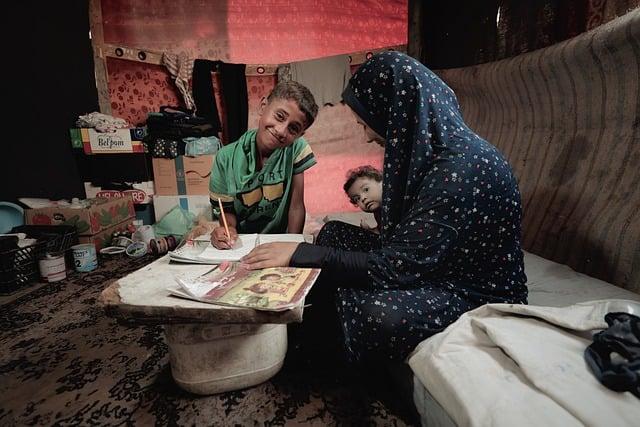

As of 19 April 2026, the United Nations High Commissioner for Refugees (UNHCR) continues to monitor and respond to the complex humanitarian challenges unfolding across the Middle East. The latest report, featured on ReliefWeb, outlines critical developments in displacement, protection needs, and emergency assistance affecting millions in the region. This update provides an essential overview of ongoing crises, highlighting UNHCR’s efforts to support vulnerable populations amidst escalating conflicts and socio-economic hardships.
UNHCR Reports Escalating Displacement Trends Across Middle East Conflict Zones
The latest figures indicate a sharp increase in displacement across multiple conflict-affected regions in the Middle East, with the United Nations High Commissioner for Refugees (UNHCR) highlighting unprecedented pressures on humanitarian aid systems. Ongoing hostilities have forced tens of thousands to flee their homes in search of safety, exacerbating an already dire situation. Urban centers and refugee camps are reaching capacity, and essential services such as shelter, medical care, and food distribution are becoming critically overstretched.
Key challenges identified include:
- Rising numbers of internally displaced persons (IDPs) due to renewed clashes in contested areas.
- Limited access to humanitarian corridors impeding the delivery of aid to vulnerable populations.
- Worsening living conditions amidst harsh weather and shrinking resource availability.
The table below presents an overview of displacement trends in the most affected countries within the past three months:
| Country | New Displacements | Total IDPs | Refugee Returns |
|---|---|---|---|
| Syria | 48,500 | 6.7M | 3,200 |
| Yemen | 35,200 | 4.9M | 1,150 |
| Iraq | 22,900 | 1.8M | 980 |
Critical Humanitarian Needs Demand Urgent Coordination and Resource Mobilization
The ongoing crises across the Middle East have precipitated an unprecedented scale of humanitarian suffering, overwhelming existing aid capacities. Immediate and cohesive action is essential to bridge critical gaps in shelter, healthcare, and food security. With millions displaced and basic infrastructure collapsing in several hotspots, the pressure on frontline responders continues to mount. Efficient coordination between local governments, international agencies, and NGOs remains a linchpin in optimizing resource allocation and ensuring aid reaches those most in need without delay.
Key priority areas demanding urgent attention include:
- Access to safe drinking water and sanitation facilities to prevent disease outbreaks.
- Provision of emergency medical supplies and mobile health units for vulnerable populations.
- Rapid distribution of food and non-food items to displaced families facing acute shortages.
- Strengthening protection mechanisms for women, children, and marginalized groups.
| Sector | Urgency Level | Current Coverage | |||||||||||||||||||||||||
|---|---|---|---|---|---|---|---|---|---|---|---|---|---|---|---|---|---|---|---|---|---|---|---|---|---|---|---|
| Water, Sanitation & Hygiene | Critical | 45% | |||||||||||||||||||||||||
| Health & Nutrition | High | Summary of Current Situation:
Key Priority Areas and Current Urgency:
Recommendations:
If you provide the remainder of the table or any specific questions, I can help further tailor the analysis or suggest detailed operational plans. Strengthening Protection Mechanisms and Expanding Shelter Solutions for Displaced PopulationsThe UNHCR has intensified efforts to bolster safeguarding frameworks for displaced individuals across the Middle East. Recent initiatives focus on enhancing community-based protection networks and expanding legal aid services to ensure vulnerable groups, including women, children, and the elderly, receive tailored support. Collaboration with local authorities and NGOs has been pivotal, enabling real-time monitoring of protection risks and faster response mechanisms. Key achievements in the past quarter include the establishment of five new safe spaces and the deployment of mobile protection teams in remote settlements, improving access to psychosocial support and legal counseling. On the shelter front, innovative solutions are being scaled up to meet the growing demand amid protracted displacement. Besides upgrading existing facilities, the introduction of climate-resilient temporary housing, designed to withstand harsh weather conditions, marks a significant advancement. UNHCR’s shelter strategy prioritizes sustainable materials and energy-efficient designs, aiming to foster safer living environments while reducing environmental impact. Details of recent shelter distributions and capacity expansions are summarized below:
Closing RemarksAs the humanitarian landscape in the Middle East continues to evolve, the latest UNHCR CORE report underscores the urgent and ongoing need for coordinated international assistance. With millions displaced and access to basic services severely challenged, sustained support remains critical to address the complex protection and shelter needs across the region. Stakeholders and policymakers alike must remain vigilant and committed to delivering timely aid, ensuring that vulnerable populations are not left behind amid protracted crises. Continued monitoring and adaptive response strategies will be essential as the situation develops beyond April 2026. |