
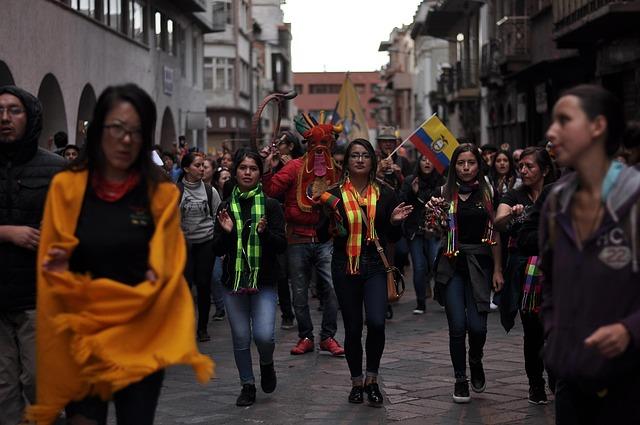

In a powerful display of public dissent, thousands of protesters gathered in Tel Aviv this weekend, calling for the Israeli government to cease military conflicts with Iran and Lebanon. The demonstration, organized by a coalition of peace activists and civic organizations, underscores mounting concerns over the long-standing hostilities that have engulfed the region. Participants voiced their frustration over continued military engagements, emphasizing a desire for diplomacy and peaceful resolutions. As tensions escalate amid ongoing geopolitical strife, the rally highlights a significant shift in public sentiment within Israel, challenging the prevailing narratives surrounding national security and the prospects for peace in the Middle East. This article delves into the motivations behind the protests, the voices of those involved, and the broader implications for Israeli foreign policy and regional stability.
Protest Movement in Tel Aviv Highlights Growing Opposition to Military Engagement
As tensions mount in the region, crowds gathered in the heart of Tel Aviv to express their dissent against continued military actions related to Iran and Lebanon. The rally showcased a diverse group of protesters, ranging from students to long-time political activists, all united by a common plea for peace. Demonstrators carried signs with slogans such as “Stop the Cycle of Violence” and “Diplomacy, Not War,” signaling a growing willingness among the public to question military interventions and advocate for alternative approaches in foreign policy. More than just a protest against specific military engagements, the movement reflects broader discontent with the government’s handling of national security issues.
During the demonstration, speakers emphasized the necessity of engaging in dialogue over conflict, urging the Israeli government to invest in diplomatic solutions rather than escalating tensions through military force. Organizers highlighted key points, including:
- The impact of regional conflicts on civilian life
- Calls for a ceasefire and negotiations with neighboring countries
- Support for joint peace initiatives with international partners
A recent survey conducted by a local think tank indicated a significant shift in public sentiment. The findings revealed that over 60% of Israelis now favor diplomatic solutions over military action. This growing opposition is seen as a pivotal moment in shaping future policy directions and fostering a climate where peaceful resolutions are prioritized over aggression.
Grassroots Demands for Peace: Analyzing Public Sentiment on Israel’s Foreign Policy
In a powerful demonstration on the streets of Tel Aviv, thousands of protesters gathered to voice their concerns over Israel’s military engagements with Iran and Lebanon. The atmosphere was charged with an urgent call for peace, with banners declaring “No More Wars” and “Prioritize Diplomacy Over Conflict.” Amid chants promoting unity and understanding, the participants highlighted their discontent with the current foreign policy, emphasizing the need for dialogue over military action. The crowd represented a cross-section of society, from young activists to seasoned peace advocates, all united by a shared vision for a future free from war.
This grassroots movement is gaining momentum as public sentiment shifts towards a desire for stability in the region. Many protesters articulated that continued conflicts not only threaten their lives but also imperil future generations. A significant portion of the speeches focused on the impact of military actions on economic conditions and civilian lives, urging leaders to rethink their strategies. Key points raised included:
- The high cost of warfare: It diverts resources from critical areas like education and healthcare.
- The importance of regional cooperation: Peace initiatives must go hand in hand with economic partnerships.
- Cultural exchanges: Strengthening ties with neighboring countries through dialogue can foster understanding.
| Concerns Raised | Public Support (%) |
|---|---|
| Ending conflicts with Iran | 78% |
| Stopping military operations in Lebanon | 82% |
| Investing in peace initiatives | 90% |
Voices from across the spectrum resonated with a collective demand for transparency and accountability in foreign policy decisions. As the protest unfolded, it became clear that a significant portion of Israeli society is ready to embrace a new paradigm that prioritizes peace and coexistence. This crucial moment may mark a turning point in public discourse, urging policymakers to listen to grassroots demands for stability and strategic diplomacy in the volatile landscape of the Middle East.
Pathways to Diplomacy: Recommendations for Reducing Tensions with Iran and Lebanon
As tensions continue to escalate in the Middle East, protesters in Tel Aviv have united to call for a strategic shift in Israel’s foreign policy towards Iran and Lebanon. A comprehensive diplomatic approach is essential for fostering stability and peace in the region. Experts recommend the following measures to promote dialogue and reduce hostilities:
- Initiate Diplomatic Talks: Establish open lines of communication with Iranian and Lebanese leaders, focusing on mutual interests and regional stability.
- Cultural Exchanges: Promote cultural and educational exchange programs that encourage understanding and cooperation among citizens.
- Address Humanitarian Needs: Work collaboratively on humanitarian projects, particularly in areas affected by conflict, to build trust and goodwill.
- International Mediation: Engage neutral third-party countries or organizations to facilitate negotiations and ensure a balanced discussion.
Concurrently, engaging the public in dialogue about the impacts of continuous conflict can play a significant role in shaping perceptions. A recent survey reveals critical insights into the Israeli public’s sentiment regarding military engagements:
| Survey Question | Percentage of Respondents |
|---|---|
| Should Israel pursue diplomatic efforts with Iran? | 68% |
| Do you support reducing military actions in Lebanon? | 75% |
| Is a peaceful resolution preferable to armed conflict? | 85% |
These findings indicate a strong public desire for a shift towards diplomacy, underscoring the need for policymakers to heed the voices of their constituents in creating a safer future for all parties involved.
To Wrap It Up
In conclusion, the recent protests in Tel Aviv underscore a significant shift in public sentiment regarding Israel’s military engagements in the region, particularly with Iran and Lebanon. Demonstrators, representing a diverse cross-section of Israeli society, have voiced their urgent calls for peace, challenging the longstanding narrative of conflict. As tensions in the Middle East continue to simmer, the demands from these protesters reflect a growing desire for diplomatic resolutions over military actions. The voices of these citizens resonate not only within Israel but also on the international stage, signaling a potential turning point in the discourse on security and peace in the region. As the situation evolves, it will be crucial to monitor how these grassroots movements influence policy decisions and contribute to broader efforts for stability in the Middle East.