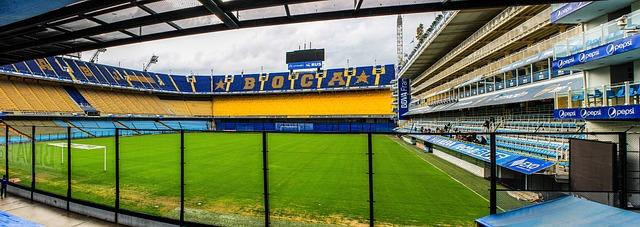
In a significant move aimed at enhancing safety measures in sports venues, Buenos Aires has enacted a ban on confetti in stadiums following a terrifying incident during the highly anticipated River Plate versus Boca Juniors match. The clash, one of the most heated rivalries in football, erupted into chaos when a fire, reportedly ignited by confetti, sent shockwaves through the packed stands, triggering a panic among fans. This decision, prompted by the urgent need to safeguard spectators, underscores the ongoing challenges that stadiums face in balancing the festive atmosphere of sporting events with the imperative of ensuring public safety. As the city grapples with the aftermath of this incident, questions arise about the future of fan engagement and the measures necessary to prevent such frightening occurrences from happening again.
Buenos Aires Implements Confetti Ban in Response to Stadium Fire Incident
In a decisive move aimed at enhancing public safety, the Buenos Aires government has officially banned the use of confetti within stadiums following a harrowing incident during the highly anticipated clash between River Plate and Boca Juniors. This incident escalated into chaos when an accidental fire broke out, fueled by the celebratory confetti that quickly filled the air and created panic among thousands of fans. Authorities have emphasized that this policy is part of a broader initiative to improve crowd safety and prevent similar incidents in the future.
The ban on confetti, along with other potential safety measures, will be strictly enforced in all sporting events across the city. While the fans expressed disappointment over the loss of one of the vibrant traditions that characterize Argentine football, safety officials outlined the rationale behind this decision. Key points discussed include:
- Fire Hazard: Confetti can obstruct visibility and contribute to fire hazards in crowded venues.
- Panic Reaction: The incident highlighted how easily crowds can panic in the presence of smoke and debris.
- Event Management: Improving overall event management protocols to ensure safety remains a top priority.
In light of these recent events, local officials are now considering additional regulations for large gatherings. A preliminary table outlining proposed changes is under review:
| Proposed Regulation | Status |
|---|---|
| Ban on confetti | Approved |
| Increased security personnel | Under Discussion |
| Fire safety drills for staff | In Planning |
Analyzing the Safety Risks in Major Sporting Events Following River vs Boca Scare
In light of the chaos that ensued during the River Plate versus Boca Juniors match, safety protocols at sporting events are under intense scrutiny. The incident, which involved a fire that led to panic among spectators, highlights the vulnerabilities that major sporting events face. Authorities have prioritized immediate measures to prevent similar occurrences in the future, leading to Buenos Aires’ decision to ban confetti within stadiums. This precautionary step is intended to minimize flammable materials that could exacerbate emergency situations and create panic among fans. As a result, the focus on safety continues to grow, prompting discussions around the adequacy of current security measures.
Furthermore, experts urge organizers to evaluate and upgrade safety protocols to better prepare for potential crises. To enhance the atmosphere of safety at major events, stakeholders are considering the following actions:
- Improved Fire Safety Systems: Regular inspections and updates to fire alarms and sprinkler systems.
- Crowd Control Strategies: Enhanced training for staff to manage crowd behaviors during emergencies.
- Emergency Evacuation Plans: Clear and visible signage to direct fans efficiently during an evacuation.
- Communication Systems: Real-time alerts to keep spectators informed about safety measures.
With the sports world under increasing pressure to ensure fan safety, it’s crucial that these discussions lead to effective changes. The recent incident has sparked calls for a reevaluation of existing protocols not just in Buenos Aires but across stadiums worldwide, emphasizing the need for a unified approach to spectator safety that can withstand the unpredictability of live events.
Recommendations for Enhanced Crowd Management and Emergency Response Protocols
The recent incident at the River vs Boca match underscores the urgent need for improved crowd management and emergency response systems in large venues. To mitigate risks and enhance safety, it is crucial for stadium officials to adopt a comprehensive set of protocols that prioritize fan welfare. Regular training and drills for staff should be instituted to ensure a swift and coordinated response to emergencies, while clear communication channels must be established between emergency responders and venue personnel. Potential measures could include:
- Implementation of real-time monitoring systems to detect and address potential dangers.
- Establishment of designated evacuation routes that are well-marked and easily accessible.
- Engagement with local authorities to develop a unified response plan tailored to specific events.
Additionally, stadiums should consider the introduction of technology-driven solutions such as crowd control software, which can help manage large gatherings more efficiently. An online platform for fans to report issues or concerns during events could also be beneficial. As a proactive approach, venues might explore innovative ways to enhance the crowd experience without compromising safety, such as:
| Safety Measure | Description |
|---|---|
| Emergency Alerts | SMS notifications to fans regarding safety and emergency procedures. |
| Crowd Management Apps | Mobile applications offering real-time updates and emergency contacts. |
| Enhanced Signage | Digital screens displaying evacuation routes and safety messages. |
By implementing these recommendations, event organizers can better safeguard attendees, ensuring the focus remains on the excitement of the game rather than the fear of emergencies.
Concluding Remarks
In the wake of the recent fire incident during the thrilling Superclásico between River Plate and Boca Juniors, Buenos Aires authorities have taken swift action to ban the use of confetti in stadiums across the city. This decisive measure aims to enhance safety protocols and prevent any future panic during high-stakes matches. Fans and players alike have expressed their concerns over crowd safety, highlighting the need for stringent regulations in sporting events. As the city grapples with the implications of this decision, the focus now shifts to ensuring that the vibrant atmosphere of Argentine football can coexist with the necessary safeguards to protect its passionate supporters. The collaborative efforts of clubs, authorities, and fans will be crucial in fostering an environment where exhilarating moments on the pitch can thrive without compromising safety. The hope is that this ban serves as a catalyst for a broader reassessment of security practices in stadiums nationwide, prioritizing the well-being of all attendees in the exhilarating world of Argentine football.