
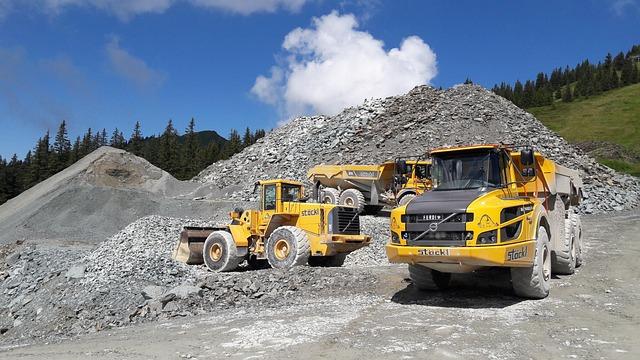

Electrifying On-Road Freight: Transforming Construction with Electric Dump Trucks in Zhengzhou, China
In a bold step towards sustainability and innovation, Zhengzhou, China, is paving the way for a revolution in construction logistics with the introduction of electric dump trucks. As urbanization and infrastructure development continue to surge in the heart of China’s Henan Province, the International Council on Clean Transportation (ICCT) highlights how electrifying on-road freight is not only addressing the urgent need for cleaner air but also reshaping the efficiency of construction operations. In a city where traditional diesel-powered trucks have long dominated the landscape, this transition to electric vehicles represents a significant push towards reducing greenhouse gas emissions and improving public health. As stakeholders-from construction firms to policymakers-grapple with the challenges and opportunities presented by this transformation, the implications for the construction industry and urban mobility are profound. This article explores the multifaceted impact of electric dump trucks on Zhengzhou’s construction sector, shedding light on the potential benefits, technological advancements, and the critical role that local and international partnerships will play in this electrifying journey.
Revamping Construction Logistics with Electric Dump Trucks in Zhengzhou
The integration of electric dump trucks into the construction scene in Zhengzhou marks a significant evolution in logistics, promoting sustainability and efficiency. These innovative vehicles not only reduce greenhouse gas emissions but also minimize noise pollution, transforming the working environment for construction crews and nearby residents. The adoption of electric technology is being propelled by advancements in battery life and charging infrastructure that allow for swift recharge times, making them viable for daily operations. This shift favors several logistical benefits, including:
- Lower operational costs: Reduced fuel costs and maintenance expenses
- Enhanced reliability: Electric motors offer consistent power delivery with fewer breakdowns
- Improved air quality: Significant reduction in particulate emissions in urban settings
As Zhengzhou embraces this electrification trend, construction firms are re-evaluating their fleet compositions. Transitioning to electric dump trucks not only aligns with local government policies aimed at reducing carbon footprints but also positions companies as leaders in the push for more sustainable practices. For stakeholders in the construction industry, the cost-efficiency and performance of electric dump trucks present an opportunity to streamline operations, potentially leading to a new benchmark of productivity in construction logistics. Key performance indicators to consider include:
| Metric | Electric Dump Trucks | Traditional Diesel Trucks |
|---|---|---|
| Fuel Cost per Mile | Lower | Higher |
| Maintenance Frequency | Less Frequent | More Frequent |
| CO2 Emissions | Zero | High |
Environmental Benefits and Cost Efficiency of Electrifying Heavy Duty Vehicles
Transitioning to electric heavy-duty vehicles (HDVs) offers a multitude of environmental advantages that contribute significantly to sustainability goals. By replacing diesel-powered dump trucks with electric alternatives in Zhengzhou’s construction sector, we can markedly reduce emissions of greenhouse gases and criteria pollutants. The operations of electric dump trucks lead to diminished air pollution, which is crucial for enhancing local air quality and protecting public health. Adopting this technology can also mitigate noise pollution, leading to a quieter urban environment, which is a considerable benefit for both workers on-site and residents in surrounding neighborhoods.
In addition to their ecological benefits, electric HDVs present compelling cost-saving opportunities. The operational costs of electric dump trucks are significantly lower compared to their diesel counterparts, largely due to reduced fuel expenses and lower maintenance requirements. Factors contributing to these savings include:
- Lower electricity costs compared to diesel fuel.
- Reduced maintenance needs due to fewer moving parts and less engine wear.
- Potential government incentives for electric vehicle adoption.
Furthermore, a detailed analysis indicates that the total lifecycle costs can favor the electrification of heavy-duty vehicles, especially when accounting for projected increases in fuel prices and the potential for technological advancements leading to improved battery efficiency and longevity. As stakeholders in Zhengzhou consider this transition, it becomes increasingly evident that electrifying the construction fleet is not only an environmentally responsible choice but also a financially savvy one.
Strategies for Successful Transition to Electric Freight Solutions in Urban Areas
Transitioning to electric freight solutions, particularly for dump trucks in urban construction settings, necessitates a strategic approach that addresses operational, infrastructural, and regulatory challenges. Key strategies include:
- Stakeholder Engagement: Collaborating with local governments, utility companies, and construction firms can help identify shared objectives and facilitate smoother transitions.
- Infrastructure Development: Establishing dedicated charging stations and maintenance facilities within urban areas is crucial for supporting electric fleets.
- Incentive Programs: Implementing financial incentives for businesses that adopt electric vehicles can accelerate market acceptance and foster innovation.
- Training Programs: Educating operators and maintenance personnel on electric vehicle technology and operations is essential to maximize efficiency and safety.
Moreover, data-driven decision-making can enhance the transition process by ensuring that investments are aligned with projected needs. By monitoring the following key performance indicators, stakeholders can track progress and adjust strategies accordingly:
| Indicator | Purpose |
|---|---|
| Emission Reductions | To measure the impact on air quality and compliance with regulations. |
| Operational Efficiency | To evaluate improvements in cost and time savings associated with electric trucks. |
| Fleet Utilization | To assess the effectiveness of the electric vehicles in meeting freight demand. |
Key Takeaways
As the construction industry in Zhengzhou embraces a new era of innovation, the introduction of electric dump trucks marks a significant stride toward sustainable practices in on-road freight. The efforts highlighted by the International Council on Clean Transportation underscore a broader commitment to reducing emissions and enhancing efficiency within the sector. With these electric vehicles set to redefine operational standards in construction, Zhengzhou is positioning itself as a pioneer in China’s shift to greener transportation solutions. As stakeholders in the industry look to the future, the successful integration of electric technology into heavy-duty vehicles could serve as a blueprint for cities across the globe striving to balance urban development with environmental responsibility. The road ahead is undoubtedly charged with potential-transformative change is not just possible; it is already underway.