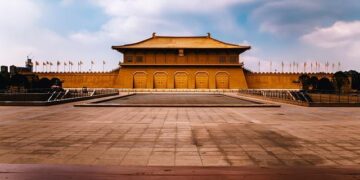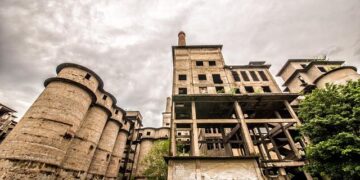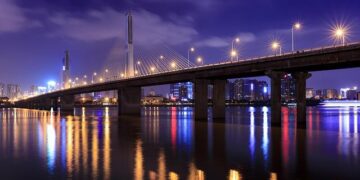
In Wuchang, Wuhan, the blend of history and modernity creates a unique urban landscape, where the charm of old residential communities contrasts sharply with the fast-paced developments surrounding them. As cities around the world grapple with the challenges of urbanization, understanding the spatial quality of these neighborhoods becomes paramount. A groundbreaking study published in Nature harnesses the power of deep learning to assess the streetscapes of these aging communities, offering new insights into their livability and aesthetic appeal. By employing advanced machine learning techniques, researchers aim to quantify the often-subjective aspects of street quality, shedding light on how these environments can be revitalized without losing their historical essence. This innovative approach not only highlights the potential of artificial intelligence in urban studies but also serves as a crucial component in the ongoing dialogue about sustainable urban development in China.
Deep Learning Insights Reveal Spatial Quality Variations in Wuchang’s Historic Neighborhoods
The application of deep learning algorithms to assess spatial quality in Wuchang has unveiled significant variations in the characteristics of its historic neighborhoods. By processing vast amounts of urban data, researchers have created a nuanced understanding of how different streets function within the city’s context. This innovative methodology utilizes tools such as convolutional neural networks (CNNs) to analyze not only the physical attributes of the streets but also the socio-economic patterns that define them. The findings indicate that areas with higher architectural integrity and accessibility often correlate with better community engagement and livability.
Key factors contributing to spatial quality have been identified through the analysis, including:
- Architectural Heritage: The preservation state of historical buildings significantly impacts neighborhood attractiveness.
- Green Spaces: Accessibility to parks and natural features enhances communal well-being.
- Pedestrian Infrastructure: Well-designed walkways and crossings are essential for safe navigation.
In light of these insights, urban planners can utilize this data-driven approach to inform future development and conservation strategies in Wuchang. Enhanced understanding of spatial dynamics may lead to improved policy directions aimed at enriching urban life and fostering community resilience.
Assessing Urban Livability: The Role of Advanced AI in Evaluating Street Conditions
As urban areas continue to grapple with the challenges of rapid population growth and aging infrastructure, the need for effective tools to assess street conditions has never been more pressing. Advanced artificial intelligence techniques, particularly deep learning, have emerged as groundbreaking solutions for evaluating street spatial quality. In Wuchang, Wuhan, researchers have leveraged these AI methodologies to analyze factors such as road surface integrity, pedestrian accessibility, and green space availability within older residential communities. By processing vast amounts of data from various sources, including satellite imagery and local surveys, the AI models provide insights that can lead to improved urban planning and enhanced livability for residents.
The use of sophisticated algorithms allows for a nuanced view of street conditions, highlighting areas in urgent need of intervention. Key indicators generated through this deep learning approach include:
- Condition of road surfaces (cracks, potholes)
- Connectivity between public transport and residential areas
- Availability and condition of pedestrian pathways
- Green cover and recreational spaces
An example of the results from these evaluations can be summarized in the table below, showcasing the correlation between quality assessments and resident satisfaction metrics:
| Indicator | Quality Score (1-10) | Resident Satisfaction (%) |
|---|---|---|
| Road Surface Condition | 7.5 | 65 |
| Pedestrian Accessibility | 8.0 | 75 |
| Green Space Availability | 6.5 | 55 |
Recommendations for Enhancing Community Spaces Based on AI-driven Analysis in Wuhan
In light of the findings derived from AI-driven analysis in Wuchang’s old residential communities, a series of targeted improvements can significantly enhance the quality of community spaces. These enhancements should focus on the integration of green spaces, community interaction zones, and infrastructure accessibility. By prioritizing the following aspects, urban planners can revitalize these neighborhoods:
- Creation of Multi-functional Green Areas: Implement pockets of greenery that serve as recreational spaces while promoting biodiversity.
- Design of Inclusive Gathering Places: Establish communal areas equipped with seating, lighting, and art installations to encourage social interactions.
- Improvement of Walkability: Ensure safe and direct walking paths by eliminating barriers and enhancing pedestrian crossings.
To quantify the impact of these enhancements, it is essential to establish a feedback mechanism that continually assesses community satisfaction with proposed developments. Leveraging data collected through AI analytics can facilitate the iterative improvement of space design. Key metrics for evaluation may include:
| Metric | Target Improvement |
|---|---|
| Community Engagement Levels | 20% Increase within 6 Months |
| Use of Green Spaces | 30% Increase within 1 Year |
| Pavement Quality Score | 80% Satisfaction Rating |
Key Takeaways
In conclusion, the innovative application of deep learning to assess street spatial quality in Wuchang’s historic residential neighborhoods marks a significant stride in urban studies and community development. As researchers harness advanced technologies to analyze and enhance our urban environments, this meticulous examination not only highlights the distinct characteristics of Wuchang but also serves as a crucial model for other cities grappling with the complexities of urbanization and heritage preservation. By bridging the gap between cutting-edge technology and traditional community needs, the findings underscore the potential for a harmonious coexistence of modernization and cultural legacy. As Wuchang steps forward into the future, this pioneering approach offers valuable insights that could shape more sustainable and livable urban spaces worldwide. The journey has just begun, and the implications of this research could resonate far beyond the streets of Wuhan.