Protests Erupt in Tokyo Over Japan’s Arms Export Policy Shift
In a striking display of public dissent, thousands of demonstrators took to the streets of Tokyo this week to voice their opposition to Japan’s recent shift in arms export policy. The policy, which marks a significant departure from the country’s post-World War II pacifist stance, permits increased military exports and international defense collaboration. As citizens rallied in the heart of the capital, the protests underscored a growing unease among the Japanese public regarding militarization and national security strategies in an increasingly volatile regional landscape. With sentiments escalating amid geopolitical tensions, activists are urging the government to reconsider its approach, insisting that the protection of peace should remain a cornerstone of Japan’s national identity.
Protests Erupt in Tokyo as Citizens React to Japan’s New Arms Export Policy
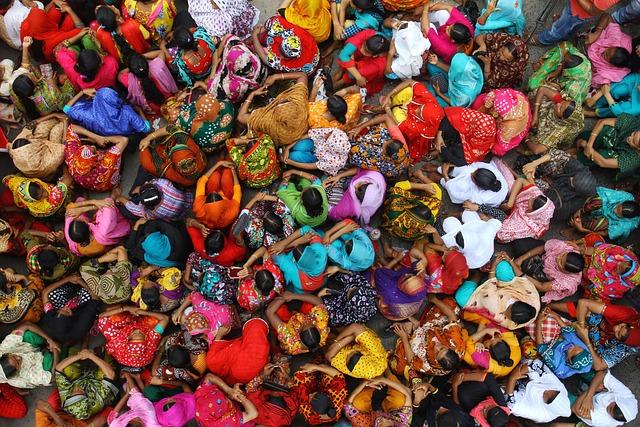
Thousands of citizens took to the streets of Tokyo on Sunday, expressing their discontent with the government’s recent decision to relax restrictions on arms exports. The policy change, aimed at bolstering defense ties with allies, particularly in light of regional security threats, has been met with staunch opposition by many who fear it could lead Japan into a deeper military entanglement. Protesters, holding placards reading “No War” and “Peace Not Weapons”, marched through the city, calling for a return to Japan’s pacifist principles enshrined in its post-World War II constitution.
Activist groups organized the protests, citing concerns over Japan’s potential involvement in overseas conflicts and the moral implications of exporting military technology. Key points raised by demonstrators included:
- Ethical Concerns: Opposition to contributing to global arms trade.
- Peace Constitution: A call to uphold Japan’s pacifist commitments.
- Public Opinion: Majority of citizens in favor of maintaining strict arms export controls.
The demonstrations, reflecting a growing unease within society, have prompted calls for a national debate on the direction of Japan’s defense policy. As the government stands firm on its stance, the voices of dissent continue to resonate in a country grappling with its identity and role on the global stage.
Activists Demand Government Accountability and Transparency in Defense Decisions
In a dramatic escalation of public dissent, thousands gathered in Tokyo to voice their frustrations over the government’s recent pivot towards increased arms exports. Activists argue that this shift undermines Japan’s pacifist constitution and raises pertinent concerns regarding the potential consequences of militarizing the nation’s defense policy. Protesters are calling for greater accountability from the government regarding decisions that could dramatically reshape Japan’s role on the global stage. Key demands articulated during the protests include:
- Enhanced transparency in defense spending and arms export contracts.
- Public consultations before major policy shifts impacting national security.
- Commitment to Japan’s post-war pacifist principles.
Local organizations have rallied support through educational campaigns, urging citizens to challenge government narratives around national security. A recent survey indicated that a significant portion of the population remains uncertain about the implications of the new arms export policy. In response, activists are coordinating efforts to communicate the potential risks associated with arms deals, emphasizing the need for a robust public discourse on such critical issues. A summary of public opinion highlights the urgency of these discussions:
| Opinion Category | Percentage |
|---|---|
| In Favor of Arms Export Policy | 30% |
| Against Arms Export Policy | 55% |
| Undecided | 15% |
Impact of Policy Shift on Japan’s International Relations and Regional Security Dynamics
The recent decision by the Japanese government to amend its arms export policy marks a significant turning point in the nation’s international posture and regional security strategies. Traditionally adhering to a pacifist constitution, Japan’s embrace of a more proactive defense stance reflects a response to shifting power dynamics in the Asia-Pacific. This policy shift aims to strengthen alliances, particularly with the United States and other regional partners facing the growing assertiveness of China and the threats posed by North Korea. As tensions rise, Japan seeks to enhance its deterrence capabilities through increased defense cooperation and joint military exercises.
Consequently, the ramifications of this policy adjustment extend beyond Japan’s borders, potentially altering regional security dynamics. Countries such as South Korea and Australia may view Japan’s new military capabilities as a stabilizing factor against aggressive actions in the region. However, this shift is not without controversy; various domestic factions argue that increasing militarization could escalate regional arms races. The fallout included widespread protests in Tokyo, highlighting a societal divide regarding Japan’s security policy approach. The public sentiment remains divided as voices both support and oppose this shift, underpinning the complex interplay of national security, historical pacifism, and current geopolitical realities.
The Conclusion
As tensions rise and public sentiment intensifies, the protests in Tokyo symbolize a pivotal moment in Japan’s evolving stance on arms exports. The demonstrations reflect deep-seated concerns among citizens about the implications of this policy shift for national security and regional stability. As the Japanese government navigates this controversial territory, the voices of the protesters echo a broader debate about the balance between defense capabilities and pacifist principles that have long defined the nation’s post-war identity. The unfolding situation will likely draw continued scrutiny, both domestically and internationally, as stakeholders respond to the changing dynamics of Japan’s military policy. The coming days will be critical in shaping the future of Japan’s defense posture and the public’s role in influencing political discourse.

![How I Spent 72 Hours in Osaka, Japan [Things To Do, What To Eat] – Upgraded Points](https://capital-cities.info/wp-content/uploads/2026/06/230359-how-i-spent-72-hours-in-osaka-japan-things-to-do-what-to-eat-upgraded-points-360x180.jpg)