Exploring the Depths: John Akomfrah’s ‘Vertigo Sea’ Makes Waves at Aichi Triennale
In a powerful intersection of art, environment, and history, renowned British artist John Akomfrah’s critically acclaimed installation “Vertigo Sea” is capturing attention at the Aichi Triennale in Nagoya, Japan. Presented by Lisson Gallery, this multimedia work immerses viewers in the haunting themes of migration, colonialism, and the natural world as it unfolds through a striking tapestry of visuals and sound. Akomfrah, known for his poignant explorations of memory and identity, invites audiences to confront the complexities of the sea-an element both life-giving and perilous-while reflecting on humanity’s tumultuous relationship with it. As the triennale continues to showcase innovative art from around the globe, “Vertigo Sea” stands out as a timely reminder of the interconnected challenges that shape our present and future.
Exploring the Haunting Visuals of Vertigo Sea at the Aichi Triennale
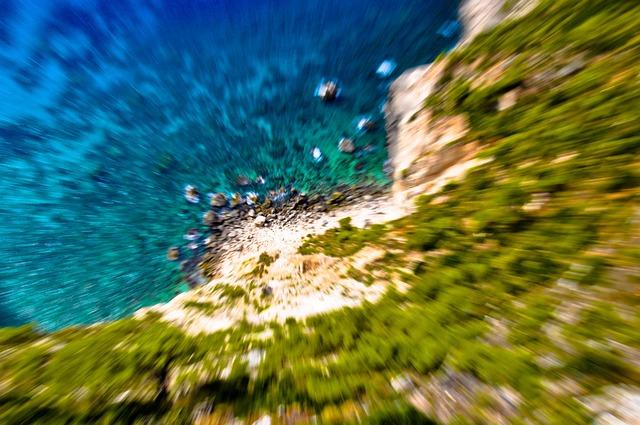
The immersive experience of Vertigo Sea, a multi-screen installation by John Akomfrah, captivates audiences with its haunting portrayal of humanity’s relationship with the ocean. Set against the backdrop of nature’s sublime beauty, the work juxtaposes stunning visuals of marine life with historical images that evoke a profound sense of loss and reflection. Visitors are drawn into a mesmerizing narrative that weaves together themes of migration, colonialism, and the fragility of our natural world. The rhythmic ebb and flow of the ocean scenes, paired with a haunting soundscape, captivates emotions and challenges viewers to confront their own connection to the sea.
As viewers journey through the installation, they encounter a variety of striking visuals that provoke thought and evoke emotional responses. Key elements include:
- Historical Footage: Archival content highlights the consequences of colonial exploitation.
- Marine Life: Vivid depictions of oceanic biodiversity serve as a reminder of nature’s beauty and vulnerability.
- Sonic Layers: A complex audio landscape enhances the visual narrative, immersing the public in the experience.
The installation not only showcases Akomfrah’s artistic prowess but also serves as a poignant commentary on environmental issues, urging us to re-evaluate our impact on the planet.
Akomfrah’s Mastery of Memory and Migration in Contemporary Art
John Akomfrah’s Vertigo Sea is a poignant exploration of themes revolving around memory and migration, captured through a rich tapestry of visual storytelling. Presenting a haunting medley of historical narratives and personal reflections, Akomfrah interweaves footage from various sources to explore the complexities of diasporic identities in the contemporary landscape. By illustrating the turbulent relationship between humanity and the ocean, the work encapsulates a multitude of experiences that challenge the viewer’s understanding of belonging and displacement.
The installation stands out at the Aichi Triennale, drawing audiences with its immersive qualities and multi-dimensional perspectives. In this striking multimedia piece, Akomfrah employs a combination of archival images, cinematic framing, and sonorous landscapes to reflect upon the interwoven stories of migration across time and terrain. Visitors are engaged by the following features of this powerful work:
- Historical Footage: Archival video clips that reveal the struggles and journeys of displaced communities.
- Sound Design: A haunting soundscape that amplifies the emotional weight of the narratives depicted.
- Visual Aesthetic: A unique blend of color and form that captivates and transports the viewer into a world of introspection.
These elements come together to provoke critical conversations about history, identity, and the ocean as both a literal and metaphorical conduit of migration. Akomfrah’s work resonates deeply with the contemporary dialogue on global displacement, making it an essential viewing at this year’s Triennale.
Visiting the Lisson Gallery: What to Expect from This Captivating Exhibition
As you step into the Lisson Gallery, prepare yourself for an immersive experience that transcends traditional boundaries of art. The exhibition features ‘Vertigo Sea’ by John Akomfrah, a mesmerizing exploration of humanity’s complex relationship with nature and the sea. The artwork combines stunning visuals with a poignant narrative, inviting visitors to engage deeply with themes of migration, colonialism, and environmental degradation. Expect to be swept away by the emotional weight of Akomfrah’s visual language, which incorporates film, installation, and the lyrical beauty of the ocean.
While navigating this captivating exhibition, visitors can look forward to:
- Multi-sensory Experiences: Akomfrah utilizes layered imagery and soundscapes that envelop you in the subject matter.
- Engaging Installations: Each piece is thoughtfully curated to create a dialogue between the artworks and the viewer.
- Interactive Components: Opportunities to reflect personally on the issues presented, making the experience resonate on a deeper level.
To enhance your visit, consider familiarizing yourself with some key themes and concepts that Akomfrah addresses throughout his body of work:
| Theme | Description |
|---|---|
| Migration | Explores the journeys and struggles of those displaced by war and climate change. |
| Colonial Legacy | Highlights the enduring impact of colonialism on contemporary society. |
| Environmental Concern | Addresses the urgent issues facing our oceans and ecosystems. |
Closing Remarks
As the Aichi Triennale comes to a close, John Akomfrah’s “Vertigo Sea” stands out as a poignant exploration of humanity’s relationship with the ocean and its profound implications for our collective history. The immersive installation has captivated audiences in Nagoya, inviting reflection on themes of migration, memory, and environmental peril. Akomfrah’s ability to weave together powerful visuals and narrative evokes a sense of urgency, urging viewers to consider the ocean not just as a backdrop to human experience, but as an integral character in our shared story. As the exhibition at Lisson Gallery showcases this significant work, it reinforces the vital role of art in confronting contemporary issues and fostering dialogue. The impact of “Vertigo Sea” will undoubtedly resonate long after the triennale concludes, challenging us to engage more thoughtfully with the world around us.
![How I Spent 72 Hours in Osaka, Japan [Things To Do, What To Eat] – Upgraded Points](https://capital-cities.info/wp-content/uploads/2026/06/230359-how-i-spent-72-hours-in-osaka-japan-things-to-do-what-to-eat-upgraded-points-360x180.jpg)