
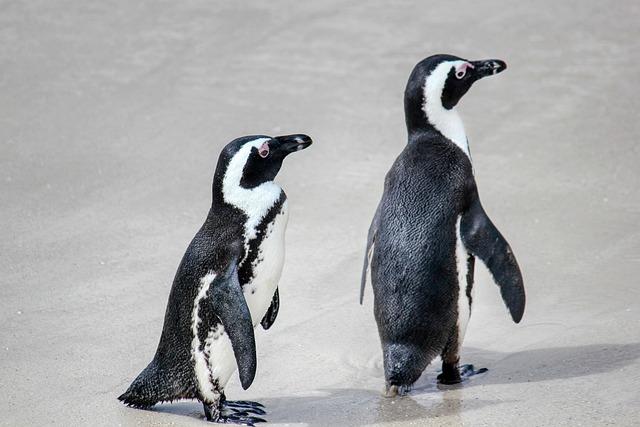

Extinction Threat Looms Over African Penguins in Cape Town: A Call to Action
In a poignant reflection of the precarious balance between nature and human impact, African penguins-once a thriving marine symbol of the Cape Town coastline-now face an alarming descent towards extinction. Recent reports highlight the urgent crisis affecting these iconic birds, whose population has plummeted by over 70% in the past three decades. As local habitats deteriorate and the effects of climate change intensify, conservationists and environmentalists are sounding the alarm bells for one of South Africa’s most beloved species. This article delves into the factors contributing to this extinction threat and the collective efforts required to safeguard the future of African penguins in Cape Town and beyond.
African Penguin Population in Cape Town Faces Critical Decline Due to Habitat Loss and Climate Change
The African penguin, a beloved icon of the Cape Town coastline, is facing unprecedented threats as their population dwindles alarmingly. Habitat loss due to urban development and invasive species has significantly altered their natural environment. Additionally, the rising temperatures and unpredictable weather patterns brought about by climate change have seriously affected their breeding cycles and food availability. Key factors contributing to their decline include:
- Destruction of nesting sites to make way for human expansion
- Competition for food sources, exacerbated by ocean warming
- Increased predation from land-based animals
- Pollution and oil spills impacting their aquatic habitats
Conservation groups are racing against time to implement protective measures to safeguard the dwindling population. Efforts include habitat restoration, public awareness campaigns, and breeding programs aimed at increasing survival rates. Local wildlife authorities are also engaging communities to bolster support for conservation initiatives. These combined approaches are essential for creating a sustainable future for African penguins in the region, but without immediate action, experts warn that this charismatic species may vanish from Cape Town’s shores forever. The ongoing battle against habitat degradation and climate change remains critical for the survival of these unique birds.
Conservation Efforts Underway to Protect the Endangered Species Amidst Rising Threats
The African penguin population in Cape Town has seen a dramatic decline in recent years, prompting conservationists and local authorities to implement a variety of strategies aimed at reversing this troubling trend. Among the most significant measures are habitat restoration projects that focus on ensuring the penguins have safe and accessible nesting sites. Additionally, programs designed to reduce human interference and pollution in critical breeding areas are being prioritized. Educational campaigns are also underway to raise awareness in local communities about the penguins’ plight, emphasizing the importance of minimizing waste and protecting marine environments.
Collaboration across sectors is key to the effectiveness of these efforts. Key initiatives include:
- Monitoring and Research: Regular assessments of penguin populations and health are being conducted.
- Rescue and Rehabilitation: Injured or ill penguins are being treated and released back into their natural habitat.
- Policy Implementation: Stricter regulations on fishing activities that threaten the penguins’ food supply are being enforced.
- Community Involvement: Local volunteers are engaged in clean-up drives to protect the coastal areas.
Community Involvement and Support Essential for Sustainable Solutions and Future Preservation
The plight of the African penguin in Cape Town has prompted urgent calls for community participation and collaborative efforts to foster sustainable practices. Local organizations and residents play a pivotal role in implementing solutions that preserve this endangered species and ensure their survival for future generations. Effective strategies include:
- Awareness Campaigns: Informing the public about the threats facing African penguins and the steps individuals can take to help.
- Habitat Restoration: Engaging volunteers to restore coastal habitats that are vital for penguin nesting and feeding.
- Beach Clean-Ups: Mobilizing community groups to clean local beaches, reducing pollution and hazards for vulnerable wildlife.
- Educational Programs: Partnering with schools to educate children about marine conservation and the importance of biodiversity.
Collaborative efforts can be bolstered by local businesses and governmental bodies adopting policies that favor conservation. Establishing sustainable tourism practices will allow visitors to support conservation efforts without endangering habitats. Additionally, a partnership framework could be established that includes:
| Stakeholders | Roles |
|---|---|
| Local Communities | Active participation in conservation activities |
| NGOs | Implementing conservation projects and citizen science initiatives |
| Government | Providing regulatory support and funding |
| Tour Operators | Promoting responsible tourism |
This united approach will not only address the immediate threats to the African penguin but also promote long-term ecological health and community resilience. Engaged citizens can significantly impact conservation success via active involvement and regional stewardship, positioning Cape Town as a model for balancing wildlife preservation with human activity.
Insights and Conclusions
As the plight of the African penguin continues to escalate, the urgent call for conservation efforts has never been more critical. With their population declining at an alarming rate, these beloved seabirds face a myriad of threats, from habitat degradation to climate change and overfishing. The efforts of local conservationists, researchers, and community organizations serve as a beacon of hope amid the uncertainty. However, the future of the African penguin ultimately rests on collective action and awareness. As we reflect on the information shared in this article, it becomes increasingly clear that protecting Cape Town’s iconic penguin population requires unwavering commitment from governments, industries, and individuals alike. Only through concerted efforts can we hope to secure a future for this remarkable species and preserve the rich biodiversity of our oceans.