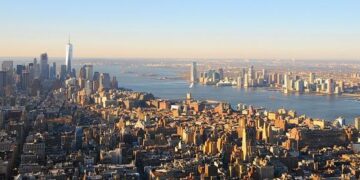
As the countdown to the 2027 Africa Cup of Nations (AFCON) intensifies, Dar es Salaam is experiencing a notable surge in hotel investments, poised to meet the burgeoning demand from fans and teams alike. This strategic push comes as Tanzania aims to solidify its position as a premier destination for international sporting events, capitalizing on the attention and opportunities presented by AFCON. Industry stakeholders and government officials are optimistic that the influx of investment will not only enhance the city’s hospitality infrastructure but also stimulate broader economic growth. With construction projects underway and new partnerships forming, Dar es Salaam is firmly setting its sights on a successful hosting of the prestigious tournament, tapping into the momentum to attract further investors in the hospitality sector.
Afcon 2027 Energizes Hotel Sector in Dar es Salaam Amidst Investor Interest
As the anticipation for Afcon 2027 builds, the hotel sector in Dar es Salaam is experiencing a significant surge in investor interest. With the city positioned as a prime location for hosting this prestigious tournament, stakeholders are rolling out the red carpet for both local and international hotel chains. Key players in the hospitality industry are ramping up plans to expand their service offerings, veering towards luxurious accommodations that meet international standards. This boom not only promises to enhance the visitor experience during the tournament but also aims to create a lasting impression that could draw future tourism to Tanzania.
The investment frenzy is not limited to just large hotel chains; smaller boutique hotels and eco-friendly lodges are also making headlines as they seek to capture distinct market segments. According to recent estimates, hotel capacity in Dar es Salaam is expected to increase by over 30% in the next few years. Investors are particularly drawn to several key factors, including:
- Strategic Location: Proximity to major transport hubs and tourist attractions.
- Government Support: Policies that favor tourism and hospitality growth.
- Infrastructure Development: Ongoing improvements in roads, airports, and public transport.
Local authorities are optimistic, foreseeing Afcon 2027 not only as a catalyst for immediate economic gains but also as a long-term opportunity for sustainable growth in the tourism sector. As the city prepares for the influx of visitors, the anticipation within the hotel industry reflects a collective goal: to showcase the warmth and beauty of Tanzania to the world.
Strategic Recommendations for Capitalizing on Afcon 2027’s Economic Opportunities
As Afcon 2027 approaches, Dar es Salaam is now at the forefront of a transformative investment opportunity within the hospitality sector. Stakeholders should consider implementing targeted strategies that would enhance the city’s attractiveness to both local and international investors. Key recommendations include:
- Public-Private Partnerships: Foster collaboration between the government and private investors to streamline regulations and provide incentives for hotel development.
- Market Research: Conduct comprehensive studies to identify tourist preferences and emerging travel trends that could optimize hotel offerings.
- Focus on Sustainability: Invest in eco-friendly hotel designs and practices to appeal to the growing market segment prioritizing sustainable tourism.
Additionally, to maximize economic benefits from the anticipated influx of visitors during Afcon 2027, infrastructure improvements should be prioritized. This includes enhancing transport links and ensuring that key amenities are within reach of hospitality venues. A coordinated approach among stakeholders could involve:
| Infrastructure Aspect | Proposed Action |
|---|---|
| Transport | Upgrade public transportation and roads leading to hotel clusters. |
| Utilities | Ensure reliable water and electricity supply for hotels. |
| Tourist Attractions | Develop signage and information centers near hotels. |
Assessing the Infrastructure Readiness of Dar es Salaam for Hotel Investment Growth
The infrastructure in Dar es Salaam is undergoing a pivotal transformation to accommodate the anticipated influx of visitors due to Afcon 2027. With the government prioritizing upgrades, key areas of concern include transportation, telecommunications, water supply, and sanitation. Each element plays a critical role in enhancing the overall hospitality experience, thereby encouraging hotel investment. Here are some of the infrastructural improvements stakeholders can expect:
- Expansion of the Dar es Salaam Port: Aimed at improving cargo handling capacity and reducing shipping delays.
- Upgrading Road Networks: Major roads are being revamped to ease traffic congestion, ensuring seamless access to hotels and venues.
- Expansion of Julius Nyerere International Airport: Enhancements are being made to increase passenger capacity, providing direct flights to more international destinations.
- Improvement of Public Transport Systems: New bus rapid transit systems and rail lines are being introduced to facilitate swift movement around the city.
Beyond transportation, the city is also focusing on enhancing the digital landscape. Investments in high-speed internet and communication systems are critical for both guests and hotel operations. Additionally, the water supply and sanitation infrastructure are subject to rigorous assessments to ensure compliance with international standards, guaranteeing that hotels can meet their operational needs. The following table summarizes the current readiness of essential infrastructure components:
| Infrastructure Component | Status | Investment Needed |
|---|---|---|
| Transportation | In Progress | $200 million |
| Telecommunications | Ongoing Upgrade | $50 million |
| Water Supply | Needs Improvement | $100 million |
| Sanitation | Under Review | $75 million |
To Conclude
As the countdown to the Africa Cup of Nations (AFCON) 2027 continues, Dar es Salaam is positioning itself as a prime destination for hotel investments, signaling a significant shift in the city’s tourism landscape. The anticipated influx of visitors and teams is prompting both local and international investors to capitalize on this unique opportunity. With the government actively seeking to enhance infrastructure and hospitality services, the city is set to experience unprecedented growth over the coming years. As stakeholders rally to ensure a successful tournament, the ripple effects of this investment rush will likely have lasting impacts on Dar es Salaam’s economy and its appeal as a travel hub in East Africa. As the tournament date approaches, all eyes will be on how the city’s preparations unfold, making it a pivotal moment for investors and the broader tourism sector.