

Expo 67: A Cultural Milestone in Montreal’s History
In the spring of 1967, the city of Montreal, Canada, became the epicenter of global innovation, culture, and imagination as it hosted Expo 67, officially known as the International and Universal Exposition 1967. Celebrated as one of the most successful World’s Fairs in history, Expo 67 attracted over 50 million visitors from around the globe, showcasing groundbreaking architectural feats and pioneering ideas in technology, art, and society. This monumental event not only marked Canada’s centennial but also symbolized a turning point in the country’s cultural landscape and its position on the world stage. As we delve into the rich history of Expo 67, we explore its lasting impact on Montreal and beyond, and reflect on how this landmark event continues to resonate through contemporary discussions about urban development and cultural exchange.
The Vision Behind Expo 67 and Its Cultural Significance
Expo 67 was not just an exposition but a bold statement of optimism and cultural ambition, reflecting the aspirations of a Canada looking to redefine its identity on the global stage. The visionary behind this monumental event, Prime Minister Lester B. Pearson, sought to showcase the country’s strengths amidst a changing world. Organized to celebrate Canada’s centennial, the fair invited visitors from around the globe to engage with diverse cultures under the unifying theme of “Man and His World.” This cultural tapestry featured pavilions representing 62 nations, each conveying unique philosophies, innovations, and artistic expressions that transcended borders.
The cultural significance of Expo 67 extends beyond its immediate impact; it left an indelible mark on Canada’s national identity. The fair catalyzed the rise of multiculturalism as a national policy and fostered a new sense of pride in Canadian culture. Highlights of the event included the iconic Biosphere, which symbolized environmental awareness, and the Canadian Pavilion, showcasing the diverse landscapes and peoples of the nation. Furthermore, the fair served as a platform for artists, architects, and performers, creating an environment that encouraged creativity and innovation across multiple disciplines. The legacy of Expo 67 can still be felt today, as it laid the groundwork for Canada to emerge as a vibrant, inclusive, and culturally rich society.
Exploring the Architectural Marvels that Shaped a Generation
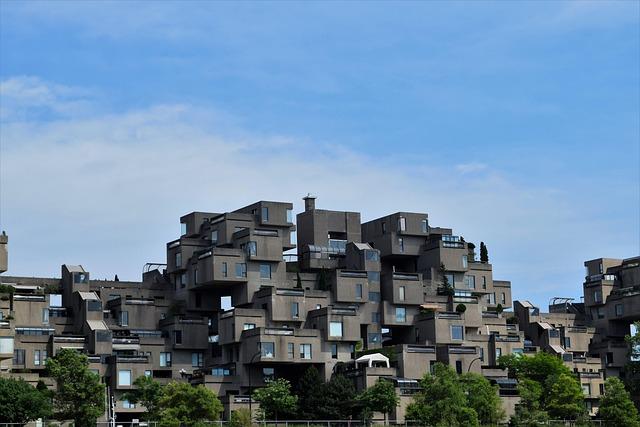
Expo 67, held in Montreal, Canada, is celebrated as one of the most successful world fairs in history, showcasing innovative architectural designs that have since become iconic symbols of technological progress and cultural exchange. Among the most noteworthy structures was the Habitat 67, designed by the architect Moshe Safdie, which represented a visionary approach to urban living through modular housing units that prioritize community living and sustainability. Other remarkable exhibits included the Geodesic Dome, the work of Buckminster Fuller, which captivated visitors with its futuristic form and energy-efficient design.
This world fair not only showcased architectural ingenuity but also served as a melting pot of cultures, inviting countries from around the globe to present their heritage through breathtaking pavilions. Attendees marveled at the Canadian Pavilion, which blended natural beauty with modernist principles, while the Soviet Pavilion offered a glimpse into the cultural fabric of the USSR at the time. Expo 67 left a lasting impact on urban design and cultural discourse, influencing generations of architects and urban planners.
| Exhibit | Designer/Architect | Significance |
|---|---|---|
| Habitat 67 | Moshe Safdie | Innovative modular housing concept |
| Geodesic Dome | Buckminster Fuller | Symbol of sustainability |
| Canadian Pavilion | Various | Showcased Canadian natural beauty |
| Soviet Pavilion | Various | Display of Soviet culture |
Lessons from Expo 67: Inspiring Future Global Connections
The legacy of Expo 67 extends far beyond its impressive exhibits and architectural wonders. This groundbreaking event served as a pivotal moment for showcasing cultural diversity and international collaboration, offering invaluable insights for future global interactions. Participants from 62 countries convened under the theme of “A World Alive,” emphasizing community, innovation, and sustainable practices. The fair effectively illustrated how cultural exchange can foster understanding and goodwill among nations, a lesson that remains critical in our increasingly polarized world.
Furthermore, Expo 67 highlighted the significance of infrastructure development in the pursuit of global unity. The event’s innovative designs and the creation of facilities such as the Biosphere and Habitat 67 set benchmarks for future world expositions and urban planning. With the lessons learned in Montreal, we can forego divisive politics and instead focus on collaborative initiatives that emphasize sustainable living and the nurturing of cultural ties. By revisiting the spirit of Expo 67, we can forge a path toward a more connected, harmonious global community.
In Conclusion
In conclusion, Expo 67 stands as a monumental chapter in both Montreal’s history and the narrative of global exhibitions. This World’s Fair, celebrated for its groundbreaking architecture, cultural exchange, and innovative spirit, left an indelible mark on the city and the world. From the iconic geodesic dome of the Biosphere to the diverse pavilions representing nations from around the globe, Expo 67 showcased not only the potential of international cooperation but also the vibrant cultural tapestry of the 1960s. As we reflect on this remarkable event, it becomes clear that Expo 67 was more than just a fair-it was a bold vision of unity and creativity that continues to inspire generations. The legacy of this historic gathering is a testament to what can be achieved when we celebrate our differences and embrace a shared future.