Air Pollution Continues to Choke Dhaka, Mounting Health and Economic Costs
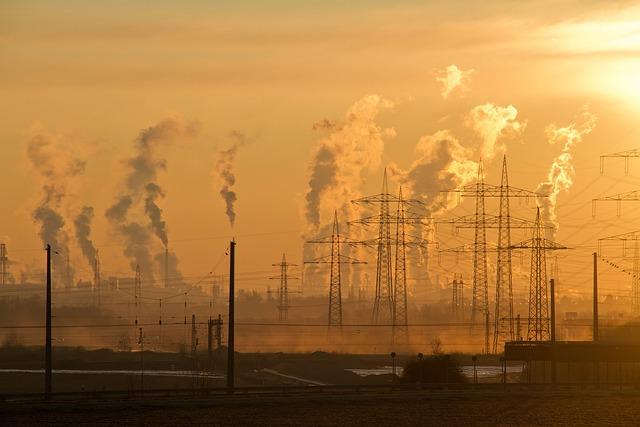
Dhaka, the bustling capital of Bangladesh, faces an unrelenting battle against severe air pollution that poses escalating threats to both public health and the economy. Recent studies reveal that the city consistently ranks among the highest in the world for unhealthy air quality, with pollutants from vehicles, construction activities, and industrial waste contributing to a toxic atmosphere. As citizens increasingly grapple with respiratory diseases, cardiovascular problems, and diminished quality of life, the costs of inaction are visibly mounting. Experts warn that without decisive measures to combat this environmental crisis, Dhaka’s prospects for a sustainable future will remain bleak, underscoring a pressing need for government and community action to safeguard the health of its residents and the vitality of its economy.
Air Quality Crisis in Dhaka Weighs Heavily on Public Health and Well-being
The air pollution crisis in Dhaka has escalated to alarming levels, impacting both public health and the overall well-being of its residents. The city consistently ranks among the most polluted in the world, characterized by high concentrations of particulate matter and toxic pollutants. Health experts warn that prolonged exposure to such hazardous conditions can lead to severe respiratory diseases, cardiovascular problems, and other chronic health issues. Children and the elderly are particularly vulnerable, suffering the brunt of health repercussions due to their compromised immune systems.
Furthermore, the economic implications of this environmental disaster are profound. The increasing health care costs associated with treating pollution-related illnesses place a significant burden on families and the healthcare system. Additionally, many individuals are forced to miss work due to health issues, resulting in lost productivity. Key statistics that underscore this crisis include:
| Impact Factor | Statistics |
|---|---|
| Annual Health Costs | Over $4 billion |
| Lost Workdays | Approximately 10 million |
| Childhood Asthma Increases | 20% increase over the last decade |
Addressing this urgent situation requires immediate governmental intervention and community involvement in promoting cleaner air initiatives, improving public transport, and regulating industrial emissions. Public awareness campaigns must be launched to educate citizens about the health risks associated with air pollution, encouraging widespread participation in local environmental efforts for a healthier future.
Economic Impact of Air Pollution: A Growing Strain on Dhaka’s Development
As air quality in Dhaka continues to deteriorate, the economic repercussions are becoming alarmingly clear. The burden on the healthcare system is escalating, as respiratory diseases and other pollution-related ailments contribute to significant medical costs. Government spending on healthcare has risen sharply, diverting funds that could otherwise support infrastructure development or social programs. The most affected sectors include:
- Healthcare Costs: Increased hospital admissions and treatment expenses.
- Lost Productivity: Workers suffering from pollution-related health issues lead to diminished economic output.
- Environmental Cleanup: The need for extensive investments in air quality management and pollution control initiatives.
The adverse economic effects are compounded by a decline in foreign investment, as international businesses become wary of operating in a city plagued by poor air quality. According to recent studies, every unit increase in air pollution correlates with a measurable decrease in economic growth. This creates a vicious cycle: as the economy slows, the capacity to address pollution diminishes, resulting in even direr conditions for the residents of Dhaka. A closer examination reveals the stark reality:
| Indicator | Current Impact | Projected Impact (5 years) |
|---|---|---|
| Healthcare Spending | 20% increase annually | 40% increase |
| Worker Productivity | 15% decrease | 25% decrease |
| Foreign Investment | Stable | Potential 10% decrease |
Effective Strategies to Combat Air Pollution and Protect Citizens’ Health
To effectively tackle the pressing issue of air pollution in Dhaka, a multi-faceted approach is crucial. Key strategies include the enhancement of public transportation systems to reduce reliance on personal vehicles, significantly decreasing vehicular emissions. Additionally, promoting the use of renewable energy sources can play a pivotal role, as transitioning from fossil fuels not only mitigates air contaminants but also supports sustainable economic growth. Engaging the community through educational programs can create widespread awareness about pollution sources and encourage residents to adopt eco-friendly practices.
Furthermore, local authorities can implement stricter regulations on industrial emissions and promote green technologies within manufacturing sectors. The establishment of green zones can serve as a buffer against urban air pollution, offering citizens cleaner, healthier environments. Utilizing modern monitoring technologies to track air quality will enable timely interventions. Initiatives such as urban tree planting campaigns can also significantly improve air quality by absorbing pollutants. Combined, these efforts will not only protect public health but also enhance the overall quality of life in Dhaka.
| Strategy | Impact |
|---|---|
| Enhancing public transport | Reduces emissions from vehicles |
| Adopting renewable energy | Lowers fossil fuel dependency |
| Implementing stricter industrial regulations | Minimizes harmful emissions |
| Establishing green zones | Improves local air quality |
| Community education programs | Increases awareness and action |
Insights and Conclusions
As the air quality in Dhaka plummets to alarming levels, the consequences are increasingly evident-ranging from severe health implications for the city’s residents to significant economic repercussions that threaten the nation’s progress. The ongoing battle against air pollution requires urgent action from government authorities, businesses, and citizens alike. While initiatives for cleaner air are in motion, they must be amplified and effectively implemented to mitigate the risks posed by this pressing issue. Without concerted efforts to address the root causes of air pollution, Dhaka may find itself facing an even graver crisis, one that could compromise the health of its people and the sustainability of its economy for generations to come. The time to act is now; the future of Dhaka depends on it.