
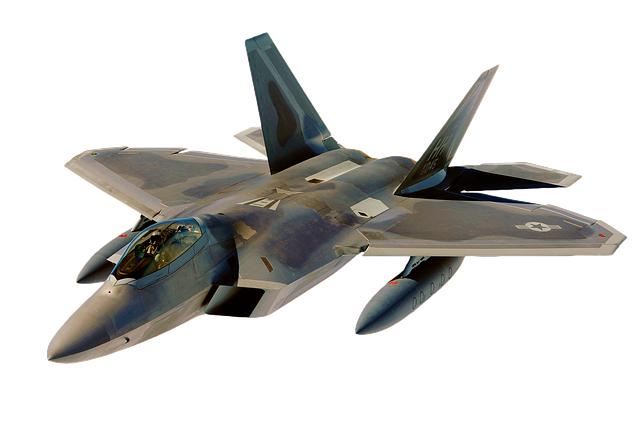

In recent years, the Philippines has been increasingly focused on modernizing its military capabilities, a response driven by various geopolitical pressures and the need for national security reassessment. The strategic pivot toward enhanced defense posture, however, has been a story of piecemeal progress rather than a cohesive overhaul. Despite ongoing tensions in the South China Sea and an evolving regional security landscape, Manila’s military modernization efforts have often been characterized by incremental upgrades and ad hoc procurement strategies. This article explores the multifaceted dimensions of Manila’s military enhancement initiatives, examining the challenges and opportunities that lie ahead, as well as the implications for regional security dynamics in the Asia-Pacific.
Manila’s Strategic Dilemma in Military Modernization Efforts
The ongoing military modernization efforts in Manila reflect a strategic dilemma faced by the Philippines: balancing limited resources against the pressing need to enhance national defense capabilities. While the government has made strides in upgrading its armed forces, these efforts have often been fragmented and reactive rather than comprehensive and forward-looking. Key areas of focus include:
- Acquisition of New Equipment: The Philippines has invested in modernizing naval assets, including acquiring multi-role frigates and offshore patrol vessels to bolster its maritime security.
- Increased Defense Budget: There has been a gradual increase in defense spending, yet it remains insufficient to cover all military needs or to sustain a significant modernization program.
- Strategic Partnerships: Manila has strengthened ties with allied nations, particularly the United States, leading to joint training exercises and military aid. However, reliance on external support presents its own vulnerabilities.
| Year | Defense Budget (in Billion PHP) | Major Acquisition |
|---|---|---|
| 2020 | 135.44 | Frigates |
| 2021 | 158.07 | Patrol Vessels |
| 2022 | 196.54 | Combat Aircraft |
Despite these developments, internal political challenges and bureaucratic inefficiencies hinder a seamless transition to a fully modern military. The Philippine government must not only prioritize procurement but also establish a coherent strategy that aligns military capabilities with national security objectives. Such an approach involves addressing systemic issues, including procurement delays and the need for better training programs, to ensure that modernization efforts yield tangible results without compromising the country’s long-term strategic interests.
Evaluating the Impact of Piecemeal Upgrades on National Defense Readiness
The gradual approach to military enhancements in Manila has yielded mixed outcomes regarding the country’s defense posture. On one hand, localized improvements have enhanced operational capabilities, such as reinforcements in naval assets and the integration of advanced communication systems across units. However, this piecemeal strategy risks creating gaps in readiness as different branches of the military may not fully synchronize their upgrades. The fragmentation can lead to deficiencies in joint operations, which are crucial for a cohesive national defense strategy.
To assess the overall impact of these incremental upgrades, one must consider several key metrics:
| Metric | Current Status | Future Goals |
|---|---|---|
| Interoperability | Moderate | High |
| Combat Readiness | Low | Improved |
| Strategic Partnerships | Emerging | Established |
This framework reveals the need for a cohesive modernization plan that aligns each military segment with broader national defense objectives. Without a synchronized approach, enhancements may fail to translate into improved deterrence capabilities against regional threats, undermining the overall effectiveness of Manila’s defense strategy.
Recommendations for a Coherent and Sustainable Defense Strategy in the Asia-Pacific
To foster a coherent and sustainable defense strategy in the Asia-Pacific, it is essential that policymakers prioritize the following elements:
- Enhanced Multilateral Cooperation: Strengthening alliances and partnerships with regional and global powers can provide a unified front against common security challenges. Regular joint exercises and intelligence sharing can enhance interoperability.
- Investment in Emerging Technologies: Emphasizing the development and integration of advanced technologies, such as cyber capabilities and artificial intelligence, will ensure a competitive edge in modern warfare.
- Adequate Budget Allocation: A consistent and transparent defense budget that aligns with long-term strategic objectives is vital to avoid a piecemeal approach to military modernization.
- Strategic Assessments: Conducting regular assessments of regional threats and vulnerabilities will help in adapting defense strategies promptly to the dynamic security environment.
Furthermore, the following priority actions should be considered:
| Action | Description |
|---|---|
| Develop Regional Frameworks | Create frameworks for collaboration specific to maritime security and disaster response, bolstering regional readiness. |
| Modernize Procurement Processes | Streamline defense procurement to ensure timely acquisition of technology that meets evolving threats. |
| Prioritize Human Capital | Invest in training and education for defense personnel to adapt to new technologies and strategic needs. |
Closing Remarks
In conclusion, Manila’s approach to military modernization reflects the complex geopolitical landscape of the Asia-Pacific region. As the Philippines navigates its security needs amid rising tensions in the South China Sea and shifting alliances, the gradual and often piecemeal enhancements to its armed forces underscore a broader strategy aimed at bolstering national defense while fostering international partnerships. While these efforts may not yield immediate results in transforming the military’s capabilities, they signal a commitment to adapting to emerging threats and enhancing regional stability. The ongoing modernization process will require sustained focus and investment, as well as a cohesive vision that integrates modern technology and strategic planning. Moving forward, how Manila balances these dynamics will be crucial not only for its defense posture but also for its role in the shifting power dynamics of the Asia-Pacific.