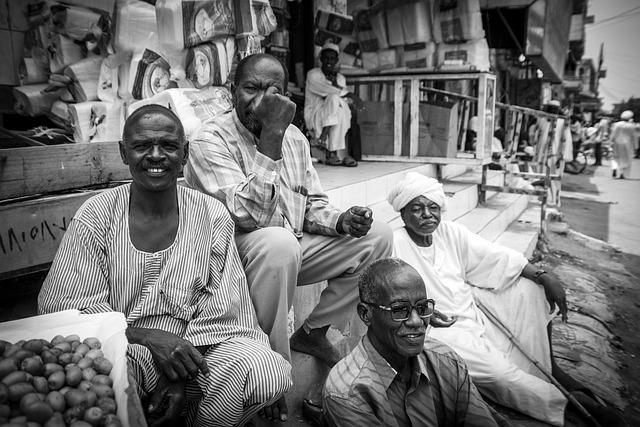
In a significant development amid the ongoing complexities of Sudan’s recovery, more than one million people have returned to Khartoum, signaling a cautious resurgence in a city long affected by conflict and instability. The United Nations has reported this substantial movement of displaced individuals, highlighting the fragile nature of the country’s recovery efforts as it grapples with lingering political tensions and humanitarian challenges. This return comes as aid organizations and government officials work tirelessly to address the urgent needs of those returning home, navigating a landscape marked by both hope and uncertainty. As Sudan attempts to rebuild from years of strife, the situation in Khartoum serves as a critical barometer for the nation’s progress and the safety of its citizens.
Sudan Faces Influx of Returnees as Khartoum Seeks Stability Amid Ongoing Challenges
As the conflict in Sudan continues to shape the humanitarian landscape, more than one million people have begun returning to Khartoum, driven by a hopeful search for stability and a semblance of normal life. Among these returnees are individuals who fled violence in rural areas, as well as those who had sought refuge in neighboring countries. The influx is largely characterized by families who are eager to reconnect and rebuild amidst the ongoing challenges faced by the capital. The government’s efforts to restore order and improve living conditions have sparked a cautious optimism among many.
Despite the returns, the situation remains precarious, with ongoing issues such as limited access to essential services, a strained economy, and instability brewing in various regions. The United Nations has reported that among the returnees, key challenges include:
- Inadequate housing: Many families find their homes destroyed or uninhabitable.
- Health care shortages: The health infrastructure remains overwhelmed.
- Food insecurity: Access to basic necessities continues to be a pressing issue.
In light of these ongoing challenges, the international community has been urged to provide support for humanitarian initiatives aimed at assisting returnees and reviving local economies. The pressing need for coordinated efforts to ensure safety and stability is evident, as the future of Khartoum depends on its ability to address the needs of both its returning citizens and its long-standing residents.
Humanitarian Needs Surge as Over One Million Return to Khartoum: A Call for Increased Support
As the situation in Khartoum rapidly evolves, the return of over one million displaced individuals heightens the urgency for humanitarian assistance. Many of these returning residents are coming back to a city still reeling from conflict and instability. Reports indicate that essential services remain critically compromised, with vast numbers struggling to access basic necessities. The UN stresses the importance of immediate support to address the dire conditions faced by these vulnerable populations, which have been exacerbated by ongoing economic challenges and inadequate infrastructure.
The needs on the ground are extensive, and immediate action is crucial. Key areas requiring urgent focus include:
- Food Security: Many families are returning to empty homes with little to no resources.
- Healthcare Services: Access to medical care remains limited, placing returning families at risk.
- Water and Sanitation: Clean water supplies are dwindling, increasing the threat of water-borne diseases.
- Psychosocial Support: Mental health services are essential for individuals traumatized by displacement and violence.
To effectively respond to these escalating humanitarian needs, a coordinated effort from local and international partners is necessary. Increased funding and resource allocation will be vital in supporting organizations on the ground that are working tirelessly to provide relief and rebuild the foundations of community life in Khartoum. The time to act is now, as every day without adequate support can mean further suffering for those who have already endured so much.
Community Resilience and International Aid: Building a Sustainable Future for Returning Citizens in Sudan
The return of over one million displaced individuals to Khartoum is a pivotal moment for Sudan, highlighting the urgent need for community resilience in the face of ongoing instability. Many of these returnees come back to homes that have been ravaged by conflict, with limited access to essential services such as healthcare, education, and clean water. The challenge lies not only in rebuilding infrastructure but also in fostering social cohesion among diverse groups. Community-led initiatives can play a crucial role in this process, emphasizing the importance of local knowledge and resources. Key strategies for promoting resilience in returning citizens include:
- Community engagement: Strengthening local networks to facilitate dialogue and collaboration among residents.
- Skills training: Empowering returnees with vocational training to support economic self-sufficiency.
- Access to services: Ensuring that basic services are restored and accessible to all, regardless of their background.
International aid can further bolster these efforts, providing the necessary financial resources and expertise required for sustainable development. Aid programs should prioritize partnerships with local organizations to ensure that interventions are culturally relevant and effectively address the needs of returning populations. A collaborative approach can enhance the immediate recovery efforts while laying the groundwork for long-term stability. The following table outlines potential international aid focuses that can support community resilience:
| Focus Area | Description |
|---|---|
| Infrastructure Development | Rebuilding roads, schools, and hospitals to support community integration. |
| Economic Support | Providing microloans and grants to small businesses for job creation. |
| Health Services | Establishing health clinics to serve returnees and prevent disease outbreaks. |
Concluding Remarks
As Sudan grapples with the aftermath of prolonged conflict and instability, the return of over one million people to Khartoum marks a significant step towards recovery for the nation. While this influx underscores the resilience and determination of the Sudanese people, the challenges ahead remain formidable. Ensuring safety, access to essential services, and sustainable livelihoods will be crucial as authorities and international partners navigate the complexities of rebuilding. The situation remains fragile, and continued support will be essential in fostering lasting peace and stability in Sudan. As the nation embarks on this path to recovery, the international community’s focus on Sudan will be critical in shaping its future.