

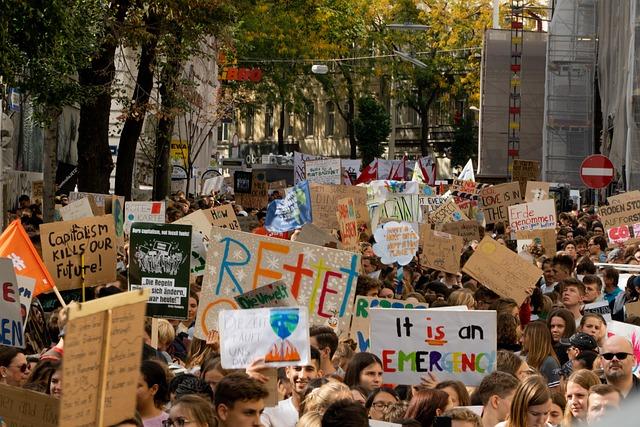
In a dramatic turn of events, nationwide student protests in Iran have erupted, challenging the long-held narrative of governmental control and stability in the capital, Tehran. Triggered by a surge of discontent over oppressive policies and socio-economic hardships, these demonstrations have united diverse student factions, signaling a potential turning point in the Islamic Republic’s struggle against dissent. The National Council of Resistance of Iran (NCRI), a prominent opposition group, has highlighted the protests as a clear indication of widespread frustration and a yearning for change among the youth. As the demonstrations intensify, they not only reflect the voices of a disillusioned generation, but also pose a formidable challenge to the regime’s attempts to project an image of unassailable authority. The implications of these protests extend beyond campus grounds, raising critical questions about the future of political dissent and reform in Iran.
Nationwide Student Protests Challenge Iranian Regime’s Authority and Credibility
The recent wave of student protests across Iran has unveiled a profound challenge to the ruling regime, rattling its long-held narrative of stability and control. Across major cities, from Tehran to Shiraz, thousands of students have taken to the streets, igniting a movement characterized by bold demands for freedom, equality, and basic human rights. Participants, galvanized by a shared disillusionment with governmental oppression, are expressing their outrage over numerous issues, including economic hardships, educational stagnation, and the suppression of individual freedoms. As the protests grow in size and intensity, they signify more than just student dissent; they embody the collective frustration of a society yearning for change.
Amidst escalating demonstrations, the regime has resorted to traditional tactics of intimidation, including violent crackdowns and censorship of dissent. However, this strategy is proving increasingly ineffective in stemming the tide of determination among the youth. Key demands voiced during the protests include:
- End of authoritarian rule
- Political and civil rights
- Access to quality education and job opportunities
With a generation unafraid to question the status quo, the regime’s once-untouchable authority is rapidly eroding, and the aspirational drive for democratic governance gains momentum every day. As students echo calls for reform, they not only challenge the government’s credibility but also inspire widespread solidarity among various societal groups, indicating a potential shift in the dynamic of power in Iran.
In-Depth Analysis of the Motivations Driving Iran’s Youth Activism
The recent surge in youth activism across Iran stands as a powerful testament to the discontent simmering among the younger generation. Influenced by a confluence of socioeconomic factors, political repression, and a thirst for social justice, Iranian students are taking bold strides to challenge the status quo. Key motivations fueling these protests include:
- Economic Hardship: High unemployment rates and inflation have left young Iranians grappling with a lack of opportunity and financial security.
- Political Repression: Decades of authoritarian rule have marginalized voices of dissent, leading many to view activism as a crucial avenue for enacting change.
- Social Aspiration: A desire for greater personal freedoms, women’s rights, and reforms aligns youth activism with broader global movements advocating for democracy and human rights.
The allure of a more open and democratic society resonates deeply with Iran’s youth, prompting them to organize and voice their demands more vocally than ever before. These protests represent a critical juncture in the nation’s history, where the younger generation actively seeks to redefine their collective identity. Central to this movement are the following elements:
| Motivating Factors | Impact on Protests |
|---|---|
| Disillusionment with Governance | Increased turnout at protests and vocal demands for accountability. |
| Access to Information | Utilization of social media to organize and share experiences quickly. |
| International Solidarity | Connection with global youth movements enhances legitimacy and support. |
Strategies for International Support to Bolster Iranian Democratic Movements
The widespread student protests in Iran represent a critical juncture in the nation’s struggle for democracy. To effectively support these movements, the international community must adopt a multifaceted approach that acknowledges the unique socio-political landscape within Iran. Global awareness campaigns, highlighting the plight of protesters, can galvanize public opinion and pressure regimes to support democratic aspirations. Economic support should be leveraged strategically; sanctions targeting the Iranian regime should be maintained, while simultaneously offering assistance to civil society organizations that advocate for reform and human rights.
Moreover, diplomatic engagement is essential; nations must vocalize their solidarity with Iranian students and activists. This can be achieved through public statements, resolutions in international forums, and direct communications with Iranian officials, stressing the necessity for political reform. Media partnerships can play a vital role in broadcasting the Iranian people’s demands, while also ensuring that their voices and stories reach a wider audience. By fostering alliances with Iranian expatriates and diaspora communities, the international community can create comprehensive networks of support that amplify the calls for change and solidify momentum toward a democratic future.
Wrapping Up
As the nationwide student protests continue to unfold across Iran, the scale and intensity of dissent have sent shockwaves through the regime, undermining its carefully constructed illusion of control. In a society where voices of opposition have long been silenced, the fearless actions of students and young activists signal a pivotal moment in the ongoing struggle for freedom and human rights in the country. The National Council of Resistance of Iran (NCRI) highlights that these demonstrations are not just a reaction to specific grievances but represent a broader demand for fundamental change and accountability.
As the Iranian regime grapples with the growing discontent among its youth, the world watches closely. The courage displayed by these young protestors serves as a reminder of the enduring power of collective action in the face of repression. Moving forward, the outcome of this unrest remains uncertain, but one thing is clear: the fight for a democratic and free Iran is far from over, and the voices of the people will not be easily silenced. The international community must remain vigilant, supportive, and responsive to the developments within Iran, as the path forward for the nation may well hinge on the resilience of its students and their unwavering quest for justice.












Beijing Condemns US Comments on Tiananmen as a ‘Smear’ Against China