
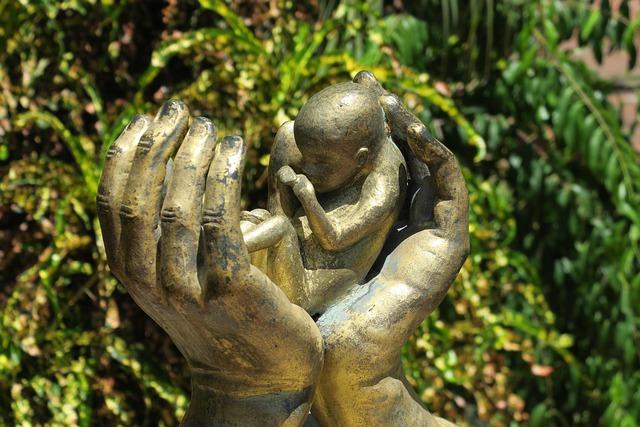

In the bustling streets of Dar es Salaam, a silent crisis unfolds as women navigate a shadowy web of clandestine abortion services, driven by desperation and the need for autonomy over their bodies. Despite Tanzania’s strict laws prohibiting most forms of abortion, a network of providers operates beneath the radar, providing critical, albeit risky, access to reproductive healthcare. With societal stigma and legal repercussions looming large, many women are forced to turn to unregulated practitioners, often putting their health, safety, and lives at risk. This article delves into the undercurrents of Dar es Salaam’s hidden abortion network, exploring the motivations of those involved, the implications for women’s health, and the broader context of reproductive rights in Tanzania. Through firsthand accounts and expert insights, we shed light on a complex and pressing issue that continues to affect countless lives across the nation.
Understanding the Risky Landscape of Illicit Abortion Services in Dar es Salaam
The underground network providing illicit abortion services in Dar es Salaam is complex and fraught with dangers for women seeking these procedures. Many operate in concealed locations, offering their services without the necessary medical oversight, leading to complications that can jeopardize the health and lives of those involved. Risk factors that women face in these environments include:
- Lack of sterile equipment: Many providers do not adhere to hygiene standards, increasing the risk of infection.
- Inexperienced practitioners: Unqualified individuals often perform procedures, leading to potential injuries.
- Legal repercussions: Women may face legal consequences, deterring them from seeking proper medical help post-procedure.
The socio-economic vulnerabilities of women in Dar es Salaam further exacerbate the crisis. Many find themselves compelled to seek out these clandestine services due to factors such as financial constraints, unplanned pregnancies, and lack of access to comprehensive reproductive health education. Key challenges faced by women include:
- Limited access to reproductive health resources: Many women do not have reliable access to contraception or family planning services.
- Stigmatization: There is significant social stigma attached to seeking abortions, which discourages women from talking about or seeking help.
- Economic instability: The high cost of legitimate healthcare often forces vulnerable women into unsafe alternatives.
| Challenges | Implications |
|---|---|
| Unsafe Procedures | Increased morbidity and mortality rates |
| Legal Barriers | Prevents women from accessing safe medical care |
| Social Stigma | Isolation and lack of support systems |
The Human Cost: Personal Stories from Those Affected by the Underground Network
Behind the closed doors of Dar es Salaam, countless women navigate a perilous path to reclaim their autonomy. Fatima, a 28-year-old mother of two, shares her harrowing experience of turning to the underground network after discovering her unexpected pregnancy. With no access to safe and legal abortion services, she faced the agonizing choice of risking her health or continuing an unwelcome pregnancy. “I felt trapped, and there was no one to turn to,” she recalls, her voice trembling as she describes how she found a clandestine provider through whispered conversations in hushed corners of her community. The emotional weight she carries is palpable, as she reveals the anxiety that accompanied the process and the fear of being caught, shunned, or worse. The stigma surrounding abortion in Tanzania often isolates women, leaving them vulnerable and desperate.
Another woman, Aisha, recounts her experience after seeking the services of the network. The procedure, conducted in a dimly lit room, was accompanied by a lack of proper medical support, and Aisha found herself facing severe complications afterward. With no access to proper aftercare, she was left to manage her pain in isolation. She emphasizes the need for greater awareness and compassion around reproductive health choices. Sadly, many women like Fatima and Aisha find themselves in similar situations, reflecting a larger issue of systemic neglect and the urgent need for policy reform. The stories of these women highlight a stark reality where personal agency clashes with societal norms and legal barriers, leaving them to risk everything for their choices.
Policy Reforms Needed: Improving Access to Safe Reproductive Health Services in Tanzania
In order to address the alarming disparities in access to safe reproductive health services, a series of urgent policy reforms must be considered. Currently, restrictive legal frameworks in Tanzania contribute to a proliferation of underground networks that compromise women’s health and safety. The government needs to prioritize the formulation and implementation of comprehensive policies that bolster the legal and accessible provision of reproductive health services, including safe abortion and contraceptive care. Key areas for reform include:
- Decriminalization of Abortion: Revising laws that criminalize abortion to allow safe procedures under specific circumstances.
- Increased Funding: Allocating more financial resources to reproductive health programs to enhance infrastructure and service delivery.
- Awareness Campaigns: Establishing educational initiatives that inform women of their rights and available health services.
Moreover, a collaborative approach involving policymakers, healthcare providers, and civil society organizations is vital to create an environment where women’s health is prioritized. In analyzing the current health statistics, it becomes evident that a shift toward more progressive policies would not only reduce the incidence of unsafe abortions but also improve overall maternal health outcomes. For instance, investments in family planning and education have shown encouraging results in other regions. The following table illustrates the impact of similar reforms implemented elsewhere:
| Country | Policy Reform | Impact |
|---|---|---|
| Kenya | Decriminalized abortion under specific conditions | 30% reduction in unsafe abortions |
| South Africa | Expanded access to reproductive health services | Increased safe abortion access by 80% |
| Rwanda | Invested in family planning education | Improved maternal health outcomes significantly |
To Conclude
As conversations around women’s health and reproductive rights gain momentum globally, the hidden realities of Dar es Salaam’s abortion network highlight both the urgent needs and the grave risks faced by women in Tanzania. This underground network operates in the shadows, driven by necessity and desperation, exposing the stark contrasts between legal frameworks and the lived experiences of individuals seeking autonomy over their bodies. While legal reforms and enhanced healthcare access continue to be critical for safeguarding women’s rights, the stories unearthed in this investigation serve as a poignant reminder of the work that lies ahead. As advocacy efforts grow stronger, it is imperative that the dialogue around reproductive health evolves, ensuring that women’s voices are heard and their rights protected. Only through comprehensive policy change and increased awareness can we hope to illuminate these shadowed corners and secure safety and dignity for all women in Tanzania.