

Guangzhou: A Deep Dive into Administration, Society, and Culture
Guangzhou, the bustling capital of Guangdong province, stands as a testament to China’s rapid urbanization and cultural evolution. As one of the country’s largest cities, it plays a pivotal role not only in regional governance but also as a vibrant hub of commerce and social interaction. With a rich history dating back over 2,200 years, Guangzhou has transformed into a melting pot of traditions and modernity. In this article, we explore the intricate layers of Guangzhou’s administration, its diverse society, and its dynamic cultural landscape, revealing how past legacies and contemporary shifts converge in this influential metropolis. Join us as we delve into the multifaceted identity of Guangzhou, showcasing the forces that shape its governance, the tapestry of its communities, and the cultural expressions that define its spirit.
Guangzhou’s Governance Structure and Administrative Challenges
Guangzhou operates under a unique governance structure that reflects its status as a key metropolis in southern China. The city functions as a sub-provincial city, granting it a degree of administrative autonomy comparable to that of a province. Governed by the local Communist Party committee and the municipal government, governance is primarily centralized, with significant authority resting in the hands of the city mayor and party secretary. This structure has allowed Guangzhou to implement rapid economic policies and urban development plans that align with national directives. However, this concentration of power has also led to challenges such as bureaucratic inefficiency and resistance to reform among local governance levels.
Administrative challenges in Guangzhou stem from its rapid urbanization and population growth. With over 14 million residents, the city faces issues including:
- Transportation Congestion: The influx of migrants has resulted in overburdened infrastructure.
- Social Disparities: Economic growth has not equally benefited all demographics, leading to disparities in wealth and access to services.
- Environmental Sustainability: The pressure to industrialize has adversely affected the city’s ecological balance.
To address these issues, the municipal government has launched several initiatives aimed at streamlining services and promoting sustainable urban planning. This includes the establishment of smart city technologies and enhanced public transportation systems to better accommodate the growing population.
Exploring Guangzhou’s Diverse Society and Community Dynamics
Guangzhou, one of China’s most vibrant cities, is a melting pot of cultures that affects its community dynamics in myriad ways. The city is home to a rich tapestry of ethnic groups, including the Han, Cantonese, and various minority communities, each contributing unique traditions and perspectives. This multi-ethnic environment fosters a sense of inclusivity among residents, often seen in neighborhood events, cultural festivals, and culinary fairs. It is not uncommon for locals to celebrate traditional festivals from diverse backgrounds, such as the Lantern Festival and Diwali, showcasing the harmonious coexistence of different cultures in daily life.
Social interaction in Guangzhou takes place across a variety of platforms, from bustling markets to modern art galleries. The integration of technology has helped promote community engagement, particularly through social media, where residents share local happenings and cultural events. Education systems also reflect this diversity, presenting students with numerous opportunities to learn about various cultures, contributing to a well-rounded worldview. Local government programs actively support cultural exchanges, highlighting the importance of community ties and the value placed on collaborative growth. Through these initiatives, Guangzhou exemplifies a city that not only embraces diversity but also thrives on it.
Cultural Treasures of Guangzhou: A Rich Tapestry of Tradition and Innovation
Guangzhou, a city where ancient customs coalesce with modern advancements, boasts a cultural landscape that is both vibrant and dynamic. Traditional crafts such as Cantonese opera, silk weaving, and bamboo carving stand as timeless symbols of the region’s heritage. The city is renowned for its culinary scene, further enriched by famous dishes such as dim sum and roast goose, culminating in a gastronomic experience that attracts food enthusiasts from around the globe. Festivals like the Canton Fair, one of the oldest trade fairs, are a testament to the city’s commitment to fostering cultural exchange and innovation, blending commerce with tradition.
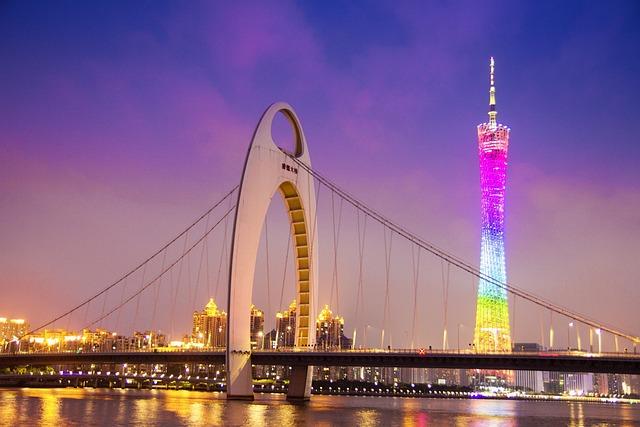
As Guangzhou evolves, it embraces modernity while cherishing its historical roots. The city’s skyline, adorned with architectural marvels such as the Guangzhou Opera House and the stunning Canton Tower, reflects its journey toward innovation. Furthermore, cultural institutions, including museums and art galleries, play a pivotal role in educating both locals and tourists about the region’s past and present. A melting pot of ideas and practices, Guangzhou exemplifies how tradition can thrive alongside progress, ensuring a rich tapestry of societal values continues to flourish.
Insights and Conclusions
In conclusion, Guangzhou stands as a dynamic testament to the intricate interplay between administration, society, and culture in modern China. With its robust governance structures, vibrant social tapestry, and rich cultural heritage, the city not only reflects the rapid urbanization and economic growth of the Pearl River Delta but also embodies the resilience and adaptability of its people. As Guangzhou continues to forge its path on the global stage, it remains a focal point for understanding the complexities of contemporary Chinese life and the ongoing evolution of its cultural landscape. As the city prepares for the future, all eyes will be on how its unique blend of tradition and modernity shapes its role in both regional and international contexts. Further insights can be explored in the comprehensive coverage provided by Britannica, offering a deeper understanding of this remarkable metropolis.