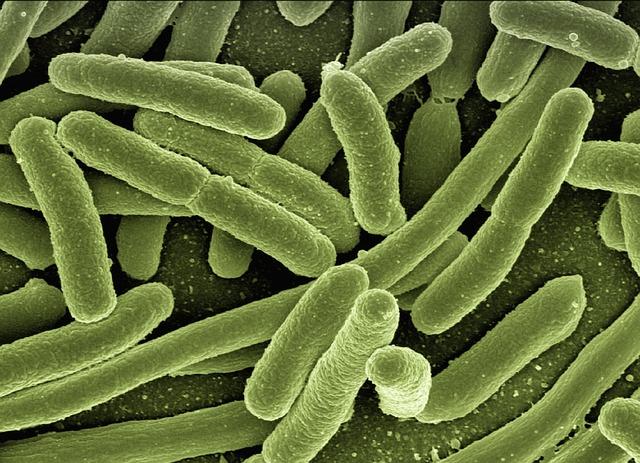
A recent study has shed new light on the genetic makeup of extended-spectrum beta-lactamase (ESBL)-producing Escherichia coli strains isolated from poultry and poultry farm workers in Accra, Ghana. As antimicrobial resistance continues to pose a global public health threat, researchers are turning their attention to the role of livestock and farm environments as reservoirs for resistant bacteria. By employing advanced genomic profiling techniques, the investigation unravels how these drug-resistant E. coli strains circulate between animals and humans in one of West Africa’s bustling urban centers. The findings, published in Nature, underscore the urgent need for integrated surveillance and tailored interventions to curb the spread of antibiotic resistance within the poultry industry and its connected communities.
Genomic Analysis Reveals Alarming Diversity of Drug Resistant E Coli Strains in Accra Poultry Farms
Recent genomic investigations into Escherichia coli strains isolated from poultry farms across Accra have uncovered a striking level of genetic diversity among extended-spectrum beta-lactamase (ESBL)-producing bacteria. Researchers employed whole-genome sequencing to profile isolates from both poultry and farm workers, revealing multiple distinct lineages within the same farm environments. This diversity suggests complex transmission dynamics that could rapidly amplify the spread of antimicrobial resistance (AMR) within local avian populations and potentially spill over to humans.
Notably, the analysis identified a wide array of resistance genes beyond ESBL types, including those conferring resistance to fluoroquinolones, tetracyclines, and aminoglycosides. This multifaceted resistance highlights the urgent need for targeted surveillance and intervention strategies to impede the circulation of such formidable strains. Key findings include:
- High prevalence of blaCTX-M variants associated with resistance to third-generation cephalosporins.
- Co-carriage of plasmid-mediated quinolone resistance genes, intensifying treatment challenges.
- Evidence of shared resistance plasmids between isolates from poultry and farm workers, indicating zoonotic transmission risk.
| Gene |
Resistance Class |
Detection Frequency |
| blaCTX-M-15 |
Beta-lactams |
82% |
| qnrS1 |
Recent genomic investigations into Escherichia coli strains isolated from poultry farms across Accra have uncovered a striking level of genetic diversity among extended-spectrum beta-lactamase (ESBL)-producing bacteria. Researchers employed whole-genome sequencing to profile isolates from both poultry and farm workers, revealing multiple distinct lineages within the same farm environments. This diversity suggests complex transmission dynamics that could rapidly amplify the spread of antimicrobial resistance (AMR) within local avian populations and potentially spill over to humans.
Notably, the analysis identified a wide array of resistance genes beyond ESBL types, including those conferring resistance to fluoroquinolones, tetracyclines, and aminoglycosides. This multifaceted resistance highlights the urgent need for targeted surveillance and intervention strategies to impede the circulation of such formidable strains. Key findings include:
- High prevalence of blaCTX-M variants associated with resistance to third-generation cephalosporins.
- Co-carriage of plasmid-mediated quinolone resistance genes, intensifying treatment challenges.
- Evidence of shared resistance plasmids between isolates from poultry and farm workers, indicating zoonotic transmission risk.
| Gene |
Resistance Class |
Detection Frequency |
| blaCTX-M-15 |
Beta-lactams |
82% |
| qnrS1 |
Cross Transmission Risks Between Poultry and Farm Workers Highlighted by Advanced Genomic Profiling
Recent genomic profiling of Escherichia coli isolated from poultry and farm workers in Accra has unveiled compelling evidence of shared antimicrobial-resistant strains, underscoring a significant zoonotic transmission pathway. The study focused on extended-spectrum beta-lactamase (ESBL)-producing isolates, revealing complex genetic relationships that link human carriers and poultry populations on farms. Critical resistance genes, including blaCTX-M variants, were detected across both groups, highlighting the risk of cross-species exchange driven by close contact and inadequate biosecurity measures.
Key findings emphasize:
- High prevalence of ESBL-producing E. coli in both poultry and workers, implicating farms as reservoirs.
- Shared plasmid-mediated resistance elements facilitating rapid dissemination.
- Potential for occupational exposure to contribute to broader community spread.
| Sample Source |
ESBL Prevalence (%) |
Common Resistance Genes |
| Poultry |
68 |
blaCTX-M-15, blaTEM |
| Farm Workers |
52 |
blaCTX-M-15, blaSHV |
Urgent Recommendations Call for Enhanced Biosecurity Measures and Surveillance to Contain Antibiotic Resistance
The escalating threat of antibiotic resistance, underscored by recent genomic analyses of Escherichia coli strains from poultry and farm workers in Accra, Ghana, demands immediate implementation of robust biosecurity protocols. Key findings reveal the widespread presence of extended-spectrum beta-lactamase (ESBL) genes, suggesting persistent transmission routes between animals and humans. Experts emphasize that without stringent measures, antibiotic-resistant bacteria will continue to jeopardize both agricultural productivity and public health, especially in densely populated farming communities.
To effectively curb this growing menace, stakeholders must prioritize:
- Enhanced surveillance systems tracking resistance patterns across animal and human populations
- Strict hygiene practices in poultry handling and farm operations
- Regular genomic profiling to identify emerging resistant strains early
- Community education programs focusing on antibiotic stewardship among farm workers
| Intervention |
Impact on Resistance |
Feasibility |
| Routine Genomic Surveillance |
High |
Moderate |
| Farm Worker Training |
Moderate |
High |
| Improved Farm Hygiene |
High |
High |
| Antibiotic Use Regulation |
Very High |
Low to Moderate |
Key Takeaways
The genomic profiling of extended-spectrum beta-lactamase-producing Escherichia coli from poultry and poultry farm workers in Accra underscores a pressing public health challenge in Ghana. By revealing the genetic diversity and resistance mechanisms of these bacteria, the study highlights the urgent need for coordinated surveillance and intervention strategies within the poultry industry. As antimicrobial resistance continues to threaten global health, such insights are critical for informing policies that protect both human and animal populations from the escalating risks posed by resistant pathogens.
| |