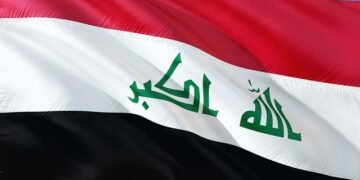
In a significant development in regional politics, Tehran has publicly expressed its backing for Baghdad’s intensified efforts to rein in armed militias operating within Iraq. This endorsement signals a potential shift in the dynamics of power and influence in the volatile landscape of the Middle East, as Iran aims to consolidate its relationship with the Iraqi government while addressing the challenges posed by militia factions. The support comes at a crucial time as Iraq grapples with ongoing security concerns and internal strife, marking a pivotal moment in Tehran’s advocacy for stability within its neighbor’s borders. This article delves into the implications of Iran’s stance on Iraq’s security operations and the broader geopolitical ramifications for both nations and the region at large.
Tehran’s Strategic Alignment with Baghdad’s Anti-Militia Efforts
Recent developments indicate a strategic pivot in Tehran’s approach to regional security, specifically its tacit endorsement of Baghdad’s initiatives targeting armed militias. This shift is significant as Iran has historically wielded considerable influence over several Shiite militias in Iraq, some of which have been implicated in destabilizing activities. By openly supporting Baghdad’s crackdown on these factions, Tehran appears to be seeking to consolidate its relationship with the Iraqi government while simultaneously addressing its own security concerns. The collaboration could be seen as a pragmatic response to the pressures from the U.S. and its allies, who have been advocating for disarmament and greater state control over militia activities.
This alignment may also reflect Iran’s desire to stabilize its influence in Iraq amidst rising tensions and competition from other regional players. The operational collaboration between Iranian and Iraqi forces could potentially manifest in several ways, including:
- Intelligence Sharing: Enhanced cooperation in gathering and sharing information about militia movements and activities.
- Joint Military Operations: Coordinated efforts to target specific militia leaders and strongholds.
- Reinforcement of State Authority: Supporting the Iraqi government’s legitimacy by reducing the power of militias.
As both nations navigate these complex dynamics, it remains to be seen how this strategic alignment will reshape the balance of power in Iraq and beyond, especially with the possibility of further U.S. involvement influencing the region’s armed groups.
Analyzing the Implications of Iranian Support in Iraq’s Security Landscape
The ongoing collaboration between Tehran and Baghdad, particularly regarding the crackdown on armed militias, highlights Iran’s significant role in shaping Iraq’s security architecture. By openly signaling its support, Iran not only reinforces its influence within Iraq but also alters the dynamics of the militia landscape. Key implications include:
- Increased Iranian Influence: Tehran’s endorsement could fortify pro-Iranian factions in Iraq, further embedding its political and military footprint.
- Potential Destabilization: A crackdown may provoke backlash from militia groups, risking violence and civil unrest as groups wrestle with loss of power.
- U.S. Response: The U.S. may reassess its strategies in Iraq, balancing support for Baghdad while managing heightened tensions with Iran.
- Regional Repercussions: This support could shift alliances among various armed groups and neighboring countries, impacting broader regional stability.
Analyzing the strategic ramifications reveals multi-layered challenges and opportunities for Iraqi governance. The collaboration underscores a duality: while Baghdad gains potential backing against rogue elements, it risks further entrenchment of Iranian influence that could alienate the public and opposition factions. To better understand the shifts in this security landscape, consider the following table summarizing the stakes involved:
| Stakeholder | Potential Impact |
|---|---|
| Iran | Strengthened regional presence, increased leverage over Iraqi politics. |
| Iraq Government | Enhanced authority in combating militias, risk of backlash and instability. |
| Local Militias | Potential for resistance, increase in violence as a defensive mechanism. |
| International Community | Need for strategic realignment, possibilities for intervention or support. |
Recommendations for Strengthening Regional Cooperation in Countering Armed Groups
To effectively fortify efforts against armed groups, regional stakeholders must prioritize collaborative strategies that foster security and stability. Joint military exercises can serve as an essential tool for building interoperability among the armed forces of the region. Moreover, enhancing intelligence-sharing frameworks would enable timely information exchange that is crucial to preempt any militant activities. Establishing bi-national task forces dedicated to specific threats would help in creating a more focused approach to countering militancy.
In addition, comprehensive political dialogues among nations in the region are vital to address the underlying issues that fuel insurgency. Nations should consider forming a regional security council aimed at facilitating continuous engagement and consultation regarding shared security concerns. Furthermore, integrating community-based initiatives into counter-terrorism strategies can empower local populations and diminish the influence of armed groups. Strengthening economic partnerships could also alleviate grievances that contribute to instability and armed violence.
Concluding Remarks
In conclusion, Tehran’s recent endorsement of Baghdad’s efforts to rein in armed militias marks a significant development in regional dynamics. This support underscores Iran’s vested interest in Iraq’s stability and the ongoing complexities of militia influence within the country. As both nations navigate the delicate balance of power and sovereignty, the implications of this partnership could reshape not only Iraq’s internal landscape but also its relations with neighboring states. As the situation evolves, close attention will be required to assess how these actions will affect the broader geopolitical climate in the Middle East. Only time will reveal the long-term effects of this alliance on the security and political landscape in Iraq and the region at large.