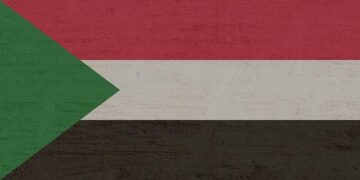
As the conflict in Sudan escalates, the humanitarian crisis intensifies, leaving millions grappling with hunger and displacement. The ongoing war has disrupted livelihoods, forced families to flee their homes, and depleted essential resources, thrusting the nation’s health system to the brink of collapse. According to a recent report from the United Nations, the dire conditions are exacerbated by ongoing violence and instability, raising urgent concerns about the welfare of vulnerable populations. With limited access to food, shelter, and medical care, Sudan faces one of its most critical challenges in recent history, prompting calls for immediate international intervention and support to address the overwhelming needs of those affected.
Sudan’s Humanitarian Crisis Deepens as Millions Face Starvation and Displacement
As the conflict in Sudan escalates, the ramifications for the civilian population are catastrophic. Reports indicate that over 24 million people are facing acute food insecurity, with signs of malnutrition evident in an alarming number of children. The humanitarian efforts being made to deliver necessary aid are significantly hampered by ongoing violence and unstable conditions. Displacement is rampant, with families fleeing their homes in search of safety, often living in makeshift camps with limited access to essential resources such as clean water and sanitation.
The health system, already fragile before the recent outbreak of violence, is now on the brink of collapse. Hospitals are either shut down or operating with severely limited capabilities due to a shortage of medical supplies and personnel. Many healthcare workers have fled, leaving the remaining few overwhelmed by the influx of patients suffering from preventable diseases and injuries sustained during the conflict. The UN has emphasized the urgent need for international support to prevent a complete humanitarian disaster. Potential measures include:
- Enhanced funding: Increased financial commitments to address immediate food and medical needs.
- Safe access for aid workers: Secure passages for humanitarian teams to deliver much-needed supplies.
- International advocacy: Pressure on conflicting parties to cease hostilities and allow for peace talks.
| Category | Estimated Impact |
|---|---|
| Food Insecurity | 24 million affected |
| Displaced Persons | Over 5 million |
| Health Facilities | 60% operational |
Urgent Calls for International Aid as Health System Teeters on Edge of Collapse
The ongoing conflict in Sudan has precipitated a humanitarian crisis, pushing millions of civilians to the brink of starvation and forcing countless families to flee their homes. As clashes between rival factions continue unabated, essential services have disintegrated, leaving the health system in a precarious state. Hospitals and clinics are overwhelmed, facing critical shortages of medical supplies, equipment, and personnel. Health care workers are fleeing conflict zones, while those who remain grapple with limited resources to address rising cases of malnutrition, infectious diseases, and injuries sustained during violence.
Given these alarming developments, urgent international aid is now essential to alleviate the suffering of millions. Humanitarian organizations have called for the global community to mobilize resources and support, emphasizing the following critical needs:
- Medical Supplies: Immediate shipments of basic medical supplies, including vaccines, bandages, and essential medications.
- Food Aid: Distribution of nutritional support for children and vulnerable populations affected by hunger.
- Safe Passage for Aid:** Establishment of secure corridors to ensure humanitarian aid reaches those most in need.
- Support for Refugees: Assistance for displaced families, including shelter, education, and psychosocial support.
| Organization | Current Initiatives | Required Aid |
|---|---|---|
| UNICEF | Child nutrition programs | $50 million |
| WHO | Vaccination campaigns | $30 million |
| MSF (Doctors Without Borders) | Emergency medical care | $40 million |
Strategies for Stabilization and Recovery: Paths Forward for Sudan’s Ailing Population
The ongoing conflict in Sudan has resulted in catastrophic humanitarian conditions, prompting urgent calls for innovative strategies aimed at stabilization and recovery. To address the immediate needs of the population, it is critical for international donors and organizations to enhance their support. Key actions include:
- Emergency Food Distribution: Implementing widespread distribution of food and essential supplies to alleviate hunger among displaced populations.
- Health System Restoration: Focusing on rebuilding healthcare infrastructure, ensuring access to vital medical services, and providing necessary training for local healthcare workers.
- Community Resilience Programs: Initiating programs that empower communities to develop local solutions, thus fostering self-reliance and reducing dependency on foreign aid.
In addition to these initiatives, fostering peace negotiations and dialogue among conflicting parties is crucial for a long-term solution. Establishing a framework for sustainable development will not only help restore stability but also promote social cohesion. To effectively track and manage resources, collaboration between governmental and non-governmental organizations should be strengthened, focusing on:
| Focus Area | Action Plan |
|---|---|
| Food Security | Increase agricultural support programs. |
| Healthcare Access | Mobile clinics for remote areas. |
| Educational Opportunities | Establishing learning centers for children. |
In Conclusion
As the conflict in Sudan continues to escalate, the humanitarian crisis deepens, leaving millions grappling with hunger and displacement. The United Nations and various humanitarian organizations are calling for urgent international assistance to address the dire needs of those affected. With the health system on the brink of collapse, the risks of disease outbreaks and further malnutrition loom large. As the world watches, the response-or lack thereof-will determine the fate of countless lives caught in the crossfire of a devastating war. Continued advocacy and support are crucial as Sudan’s most vulnerable populations face an uncertain future. The time for decisive action is now, before the toll of this crisis becomes insurmountable.