
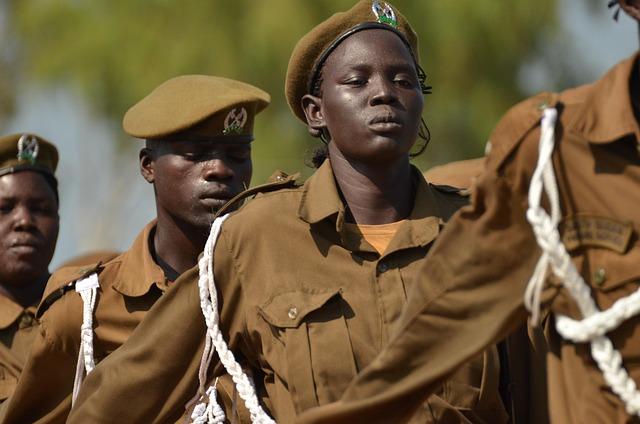

As the situation in Sudan unfolds, it becomes increasingly critical for the global community to comprehend the complexities surrounding the ongoing crisis. After decades of political instability, civil unrest, and economic strife, the country is now facing a catastrophic humanitarian emergency that is affecting millions of lives. From escalating violence to displacement and food insecurity, the ramifications of the turmoil reach far beyond its borders. In this article, we delve into ten essential points that encapsulate the current state of affairs in Sudan, shedding light on the challenges faced by its people and the international response led by organizations such as the International Organization for Migration (IOM). Understanding the nuances of this crisis is vital not only for those directly affected but also for a world grappling with the consequences of regional instability.
Sudan’s Escalating Crisis: Understanding the Humanitarian Impact and Displacement
As the situation in Sudan continues to deteriorate, the humanitarian impact of the crisis is becoming increasingly evident. Millions are facing dire circumstances as ongoing conflict and instability disrupt essential services. The number of people in need of humanitarian assistance has surged, affecting food security, healthcare, and access to clean water. Displacement is reaching staggering levels, with individuals forced to flee their homes to escape violence and instability. The international community is grappling with how to respond effectively to such an urgent crisis.
The surge in displacement has created a complex environment for both displaced populations and host communities. In many regions, the influx of internally displaced persons (IDPs) is overwhelming local resources, leading to heightened tensions. Key challenges include:
- Inadequate shelter – Many families are living in temporary structures or overcrowded conditions.
- Lack of medical care – Health facilities are overstretched, with critical shortages of supplies and personnel.
- Educational disruption – Children face barriers to education due to displacement or destruction of schools.
To illustrate the scale of the crisis, the following table highlights critical indicators related to displacement and humanitarian needs:
| Indicator | Current Status | Change Over Last Year |
|---|---|---|
| People displaced | 3.7 million | +1.5 million |
| Food insecure population | 9.8 million | +3 million |
| Children out of school | 1.5 million | +500,000 |
International Response: Mobilizing Aid and Support for Affected Populations
The situation in Sudan has prompted a swift international response, with countries and organizations stepping up to provide essential aid and support to those affected by the ongoing crisis. Key players in this mobilization include the United Nations, non-governmental organizations, and various governments that have pledged financial and logistical assistance. Efforts are focused on delivering humanitarian relief, including food, medical supplies, and shelter for displaced populations. Organizations such as the International Organization for Migration (IOM) have launched targeted appeals for resources to aid in their operations, ensuring that vulnerable groups receive immediate assistance.
Moreover, the international community is collaborating to enhance access for aid workers to reach remote areas severely impacted by conflict. The establishment of humanitarian corridors has been a priority, ensuring that aid can flow uninterrupted. Key initiatives include:
- Coordinated airlifts of essential supplies.
- Field hospitals set up to address urgent medical needs.
- Community-based programs aimed at psychosocial support for trauma-affected individuals.
To visualize the scale of international contributions, the table below outlines recent pledges from various countries:
| Country | Amount Pledged | Type of Aid |
|---|---|---|
| United States | $50 million | Food and Water |
| Germany | $30 million | Medical Supplies |
| Canada | $20 million | Emergency Services |
Path to Stability: Key Recommendations for the Global Community and Local Stakeholders
The ongoing situation in Sudan demands urgent actions from both the global community and local stakeholders to move towards a more stable environment. Critical interventions should focus on enhancing humanitarian aid across affected regions to ensure that basic needs are met. Collaborative efforts must involve local organizations that have a deep understanding of the socio-political landscape. By fostering partnerships, the global community can effectively deliver aid while empowering local entities to participate in recovery initiatives.
Moreover, it is essential to prioritize long-term strategies that address the root causes of instability. Key recommendations include:
- Establishing dialogue platforms for inclusive negotiations among various factions to build consensus.
- Investing in education and economic development programs that can provide sustainable livelihoods.
- Enhancing security sector reforms to strengthen trusted local law enforcement and protect vulnerable populations.
By mobilizing resources and expertise, the collective action of local and global stakeholders can pave the way for enduring peace and resilience in Sudan.
Key Takeaways
In conclusion, the situation in Sudan remains fluid and complex, marked by escalating violence, humanitarian challenges, and political uncertainty. As the nation grapples with profound changes and the consequences of armed conflict, it is crucial for the international community to remain informed and engaged. The insights provided in this article shed light on the multifaceted aspects of the crisis, highlighting the urgent need for humanitarian assistance and a concerted effort towards a peaceful resolution. The plight of the Sudanese people calls for a united response, reinforcing the importance of global solidarity in addressing their needs and aspirations. As developments continue to unfold, monitoring the situation in Sudan will remain vital for understanding the broader implications for stability in the region. The International Organization for Migration will continue to provide updates and support efforts aimed at alleviating the suffering and restoring hope for a brighter future.