
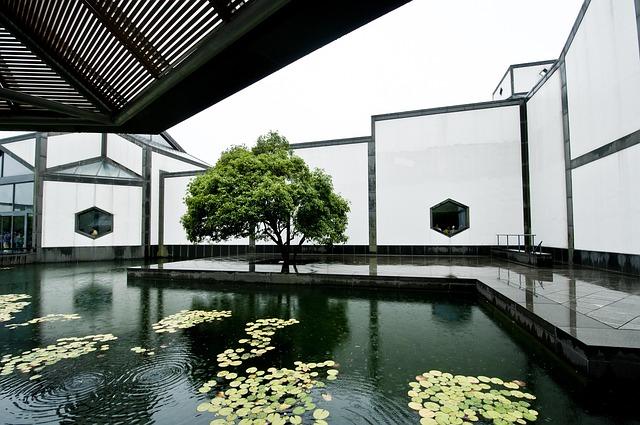

Suzhou Museum Through the Eyes of I.M. Pei: A Harmonious Blend of Tradition and Modernity
Nestled in the scenic city of Suzhou, renowned for its classical gardens and rich cultural heritage, the Suzhou Museum stands as a testament to the vision of its late architect, I.M. Pei. Opened in 2006, the museum is not merely an exhibition space but a celebration of the delicate interplay between contemporary design and the historic context of its surroundings. Pei, born in Suzhou and celebrated globally for his architectural prowess, infused the museum with elements that reflect both the city’s storied past and a forward-thinking aesthetic. This article delves into the architectural nuances and cultural significance of the Suzhou Museum, exploring Pei’s innovative approach that invites visitors to engage with art and history in a setting that honors its traditional roots while embracing the future. Join us as we explore the intricate layers of this cultural gem, revealing how it encapsulates the essence of contemporary China through the eyes of one of its most illustrious sons.
Architectural Harmony: I.M. Pei’s Vision for Suzhou Museum
I.M. Pei’s design for Suzhou Museum seamlessly weaves modern architectural principles with the rich cultural tapestry of traditional Chinese aesthetics. His vision incorporates a striking balance between minimalism and harmonious integration with the surrounding landscape, inviting visitors to engage with both the art on display and the architecture itself. The museum’s signature features, such as large glass walls and geometric forms, allow natural light to flood the interior while creating a dialogue between the contemporary elements and the historic Suzhou cityscape. This architecture not only enhances the exhibits but also respects the historical significance of its location, showcasing Pei’s profound awareness of context in design.
Moreover, Pei’s use of water and stone reflects the essence of Chinese garden design, thoughtfully incorporating natural elements that resonate with the nearby Lingering Garden. The layout of the museum fosters a sense of tranquility and reflection, encouraging visitors to immerse themselves fully in the art and the story of Suzhou. The flowing pathways and open plazas serve to blur the boundaries between indoor and outdoor spaces, creating a holistic experience that embodies the philosophy of unity with nature. This visionary approach not only preserves Suzhou’s cultural heritage but also propels it forward, embodying a progressive yet respectful architectural narrative.
A Cultural Journey: Exhibits that Celebrate Suzhou’s Heritage
The Suzhou Museum, masterfully designed by renowned architect I.M. Pei, embodies a seamless fusion of contemporary architecture and rich historical context. Visitors are greeted by a tranquil courtyard adorned with traditional Suzhou gardens, which sets the stage for an immersive exploration of the region’s artistic and cultural legacy. Inside, the exhibits offer a compelling narrative through an array of artifacts, ranging from ancient ceramics to intricate silk paintings. Some highlights include:
- Ancient Calligraphy: A collection of masterpieces that encapsulate the beauty of Chinese script.
- Suzhou Silk: An exhibition showcasing the city’s long-standing reputation in silk production.
- Jiangnan Culture: Artifacts that illustrate the lifestyle and aesthetics of the Jiangnan region.
In addition to the breathtaking architecture and noteworthy collections, the museum actively engages the public with educational programs and workshops. These initiatives aim to deepen the understanding of cultural heritage and foster appreciation for the arts among younger generations. An upcoming community event includes a traditional painting workshop, where participants can learn techniques passed down through generations. The Suzhou Museum not only preserves the rich past of the region but also inspires future generations to embrace and celebrate their heritage.
Visitor Experience: Tips for Exploring the Museum’s Unique Design
As you step into the Suzhou Museum, designed by the renowned architect I.M. Pei, you’ll encounter a seamless blend of traditional Chinese aesthetics and modern minimalist design. To fully appreciate this architectural marvel, consider taking your time to absorb the tranquil atmosphere created by the thoughtful use of light and space. Here are some tips to enhance your visit:
- Explore the Courtyards: These open spaces are integral to the museum’s design, inviting you to pause and reflect amidst the surrounding nature.
- Notice the Angles: Pei’s precision in angles showcases a harmony between contemporary architecture and classical Chinese elements.
- Embrace the Natural Light: Pay attention to how sunlight interacts with the museum’s structure, illuminating artworks in unexpected ways.
Engaging with the museum involves more than just viewing the exhibits; it’s about experiencing a dialogue between past and present. To optimize your journey, familiarize yourself with key design features that define this edifice:
| Feature | Significance |
|---|---|
| Water Elements | Symbolize tranquility and reflection, enhancing the visitor’s experience. |
| Black Tile Roofs | A nod to traditional Suzhou architecture, blending modernity with heritage. |
| Open Layout | Encourages exploration and interaction, making art accessible to all. |
The Conclusion
In conclusion, the Suzhou Museum stands as a testament to the harmonious blend of tradition and modernity, a hallmark of its architect, I.M. Pei. Through his innovative designs, Pei has not only preserved the essence of Suzhou’s rich cultural heritage but has also infused it with a contemporary spirit that speaks to a global audience. As visitors traverse its halls, they are invited to engage with art and history in a space that is both reflective and forward-looking. The museum is more than just a repository of artifacts; it is a dynamic cultural institution that continues to inspire dialogues about identity, innovation, and the evolving narrative of Chinese art. As we step back from its tranquil gardens and striking architecture, it’s clear that the Suzhou Museum is not merely a destination, but a journey into the heart of Chinese culture, reimagined for the 21st century. Visitors and locals alike are encouraged to explore its treasures and discover the enduring legacy of I.M. Pei’s visionary contribution to this iconic institution.