
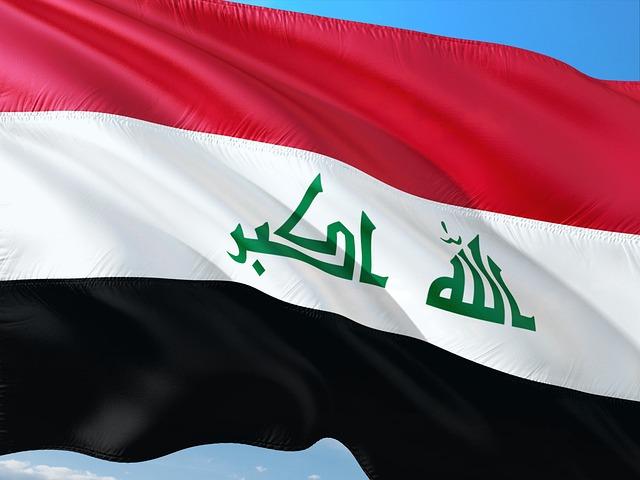

In a significant diplomatic move, Iraq has taken the initiative to host a summit aimed at fostering dialogue between the Gulf Cooperation Council (GCC) and Iran, underlining its strategic role as a mediator in a region rife with tensions. As Tehran expresses its support for a proposed regional security framework, the call for the summit in Baghdad seeks to bridge divides and enhance cooperation among neighboring states. This development highlights the shifting geopolitical landscape in the Middle East, where nations are increasingly prioritizing dialogue over conflict in an effort to establish a more stable and secure future. With the backing of Iran, Iraq aims to galvanize the GCC’s participation, potentially paving the way for a new chapter in regional relations.
Iraq’s Diplomatic Efforts to Host GCC-Iran Summit and Strengthen Regional Alliances
In a bold diplomatic maneuver, Iraq has positioned itself as a crucial mediator in the ongoing complexities of Middle Eastern geopolitics by seeking to host a summit between the Gulf Cooperation Council (GCC) and Iran. The initiative comes at a time when Tehran has publicly expressed support for a regional security framework, indicating a potential shift towards greater cooperation in a historically tumultuous landscape. Iraq’s leadership envisions this summit as a pivotal opportunity to foster dialogue and address longstanding tensions that have pervaded the region, creating a platform for collaboration on critical issues such as trade, security, and energy.
The Iraqi government aims to capitalize on its unique geographical and political standing, facilitating discussions that could lead to a recalibration of relations among GCC member states and Iran. Key elements of this initiative include:
- Enhancing Security Cooperation: Emphasizing the need for joint efforts to combat terrorism and maintain stability.
- Strengthening Economic Ties: Addressing barriers to trade and exploring mutual investment opportunities.
- Promoting Cultural Exchange: Encouraging dialogue between citizens to foster mutual understanding and tolerance.
The proposed summit not only reflects Iraq’s ambition to play a more significant role in regional diplomacy but also underscores the urgency among the involved parties to seek peace and stability in a fractured landscape. Realizing this vision requires extensive preparations and consensus-building among diverse stakeholders, as Iraq navigates its path toward becoming a linchpin in fostering regional alliances.
Tehran’s Support for Security Framework: Implications for Middle Eastern Stability
As Iraq works to facilitate a summit between the Gulf Cooperation Council (GCC) and Iran in Baghdad, Tehran’s endorsement of a regional security framework signals a significant shift in the geopolitical landscape of the Middle East. Analysts point to several key implications for stability across the region:
- Enhanced Dialogue: A summit may foster better communication channels, reducing misunderstandings and potential conflicts.
- Shared Security Interests: Collaborative efforts could address common threats, particularly regarding extremist groups and regional terrorism.
- Economic Cooperation: Improved relations may facilitate trade and investment opportunities among member states, supporting economic stability.
Furthermore, Tehran’s proactive stance illustrates its commitment to a counterbalance against any unilateral actions that could arise from external powers seeking influence in the region. The development of this security framework could be a pivotal step in redefining alliances and partnerships across the Middle East. Critical considerations include:
- Regional Autonomy: GCC states might feel empowered to shape their security without heavy reliance on Western nations.
- Iran’s Role: The evolving dynamics could position Iran as a key player in regional security architecture, challenging its isolation.
- Potential Tensions: While collaboration seems likely, historical rivalries could complicate the implementation of a unified security approach.
Strategic Recommendations for Iraq in Facilitating Dialogue between GCC and Iran
In the quest to foster constructive dialogue between the Gulf Cooperation Council (GCC) and Iran, Iraq’s strategic position offers a unique platform for mediation. The following recommendations can be instrumental in enhancing Iraq’s role as a facilitator:
- Leverage Historical Ties: Iraq can utilize its historical and cultural connections with both GCC states and Iran to bridge gaps and foster mutual understanding.
- Promote Economic Interdependence: Encouraging joint economic initiatives, such as trade agreements and infrastructure projects, can create a foundation for dialogue and interdependence.
- Establish a Neutral Mediation Body: Forming a dedicated committee that includes representatives from both sides can ensure that discussions are balanced and fair.
- Utilize International Support: Seeking the assistance of international organizations to provide legitimacy and support can enhance the credibility of dialogues held in Baghdad.
To further support these initiatives, establishing a structured framework for ongoing communication could be beneficial. A potential model could look like this:
| Action Item | Responsible Parties | Timeframe |
|---|---|---|
| Initial Dialogue Session | Iraqi Government, GCC Representatives, Iranian Delegates | 3 Months |
| Economic Partnership Forum | Business Leaders from GCC & Iran | 6 Months |
| Regular Mediation Meetings | Neutral Mediation Committee | Ongoing |
In Summary
In conclusion, Iraq’s initiative to host a summit between the Gulf Cooperation Council (GCC) and Iran underscores a pivotal moment in regional diplomacy. As Tehran expresses its support for a collective security framework, the potential for dialogue and cooperation emerges as a beacon of hope amidst longstanding geopolitical tensions. The success of this summit could not only reshape relations within the region but also set a precedent for future collaboration on shared security concerns. As stakeholders prepare for discussions in Baghdad, the eyes of the region and beyond will be keenly focused on the outcomes of this high-stakes meeting, which could mark a significant turning point in Middle Eastern relations. The unfolding dynamics will certainly require close observation, as nations navigate the complexities of their histories and aspirations for a more stable future.