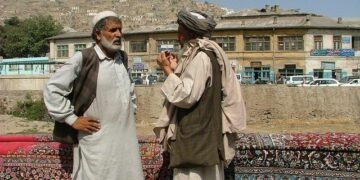
Introduction: The Withdrawal of United States Troops from Afghanistan
In a historic turn of events, the withdrawal of United States troops from Afghanistan marked the end of a nearly two-decade-long military engagement that began in the wake of the September 11, 2001 attacks. This strategic decision, symbolizing a significant shift in U.S. foreign policy, has profound implications for both Afghanistan and the broader geopolitical landscape. As American forces concluded their operations in August 2021, questions regarding the stability of Afghanistan, the resurgence of the Taliban, and the future of U.S. relations in the region came to the forefront. This article delves into the intricacies of the withdrawal process, the events leading up to it, and the far-reaching effects that continue to shape the region today.
Strategic Implications of the U.S. Troop Withdrawal from Afghanistan
The withdrawal of U.S. troops from Afghanistan marks a significant shift in both American foreign policy and the geopolitical landscape of South Asia. This exit, completed in August 2021, raises several strategic concerns that are being analyzed by policymakers and analysts alike. First and foremost, the vacuum left by American military presence has implications for regional stability as the Taliban has rapidly regained control, altering power dynamics. In particular, the resurgence of extremist groups not only threatens Afghanistan’s fragile political structure but also poses risks to neighboring countries, as they may become breeding grounds for terrorism that could destabilize the region.
The strategic repositioning of U.S. interests is also notable, as it may lead to a reallocation of resources and military focus towards other critical areas, such as the Indo-Pacific. With China’s growing influence in the region, the United States may adopt a more aggressive posture to counterbalance this rise. Additionally, there are implications for U.S. alliances; NATO and other allied nations must navigate the complexities of their partnership with the U.S. in light of the withdrawal. This situation prompts a reevaluation of collective security commitments, as nations assess their own defense postures in a world where American support may no longer be as readily available.
| Strategic Concerns | Implications |
|---|---|
| Regional Stability | Resurgence of the Taliban and extremist groups |
| U.S. Foreign Policy Shift | Increased focus on Indo-Pacific and countering China |
| Global Security Dynamics | Reevaluation of NATO commitments and alliances |
Assessing the Humanitarian Crisis in the Wake of Military Exit
The withdrawal of U.S. troops from Afghanistan has led to an acute humanitarian crisis, with dire implications for the local population. Human rights violations have surged, particularly against women and minorities, exacerbating an already precarious situation. Many families find themselves displaced, fleeing violence and uncertainty as the Taliban reinstates its strict interpretation of Islamic law. Aid organizations are struggling to meet the overwhelming needs of the Afghan people, who face shortages of food, medical supplies, and safe shelter.
International response remains fragmented, with several nations stepping up humanitarian aid, while others hesitate due to security concerns. The following factors highlight the critical challenges on the ground:
- Displacement: Millions are internally displaced, seeking refuge in urban centers.
- Food Insecurity: Over 22 million people face acute hunger, with aid delivery complicated by accessibility.
- Health Crisis: The collapse of healthcare systems has resulted in reduced vaccination rates and increased maternal mortality.
- Education Crisis: Girls’ education has been severely impacted, with many denied access to schools.
Lessons Learned and Recommendations for Future U.S. Foreign Policy
The recent withdrawal of U.S. troops from Afghanistan offers numerous insights into the complexities and challenges of American foreign policy. Firstly, the necessity for a clear strategic vision is paramount. The U.S. must evaluate its military engagements against tangible political objectives, ensuring that each intervention is not merely reactionary but rather part of a cohesive plan. Involving local stakeholders in the decision-making process is also crucial; a top-down approach has often resulted in mistrust and ineffective governance. Learning from the Afghan experience, future policies should prioritize multilateral cooperation, leveraging alliances to enhance stability rather than relying solely on unilateral military power.
Moreover, establishing robust post-conflict reconstruction strategies becomes essential. Historical precedents indicate that sustainable peace cannot be achieved through military presence alone; comprehensive economic, social, and institutional rebuilding efforts are required. Additionally, the U.S. should develop adaptable frameworks that allow for flexible and responsive action as situations evolve. The focus should shift towards diplomatic negotiations and preventive measures, emphasizing conflict resolution before military involvement becomes necessary. By doing so, the U.S. can reshape its approach, making foreign policy not just a matter of military might but also one of building long-term international relationships.
Future Outlook
In conclusion, the withdrawal of United States troops from Afghanistan marks a significant and transformative moment in both American foreign policy and the geopolitical landscape of South Asia. As the final phases of this long-sought exit unfolded, the implications for the Afghan people, regional stability, and international relations became increasingly complex. While the U.S. aims to shift its focus towards diplomatic engagement and regional counterterrorism efforts, the challenges facing Afghanistan in the wake of this development are immense. Continued scrutiny and support from the global community will be essential as the nation navigates its future amid shifting power dynamics. The U.S. withdrawal is not just a conclusion but a beginning of a new chapter for Afghanistan and the world, as attention turns towards the potential repercussions of this historic decision.