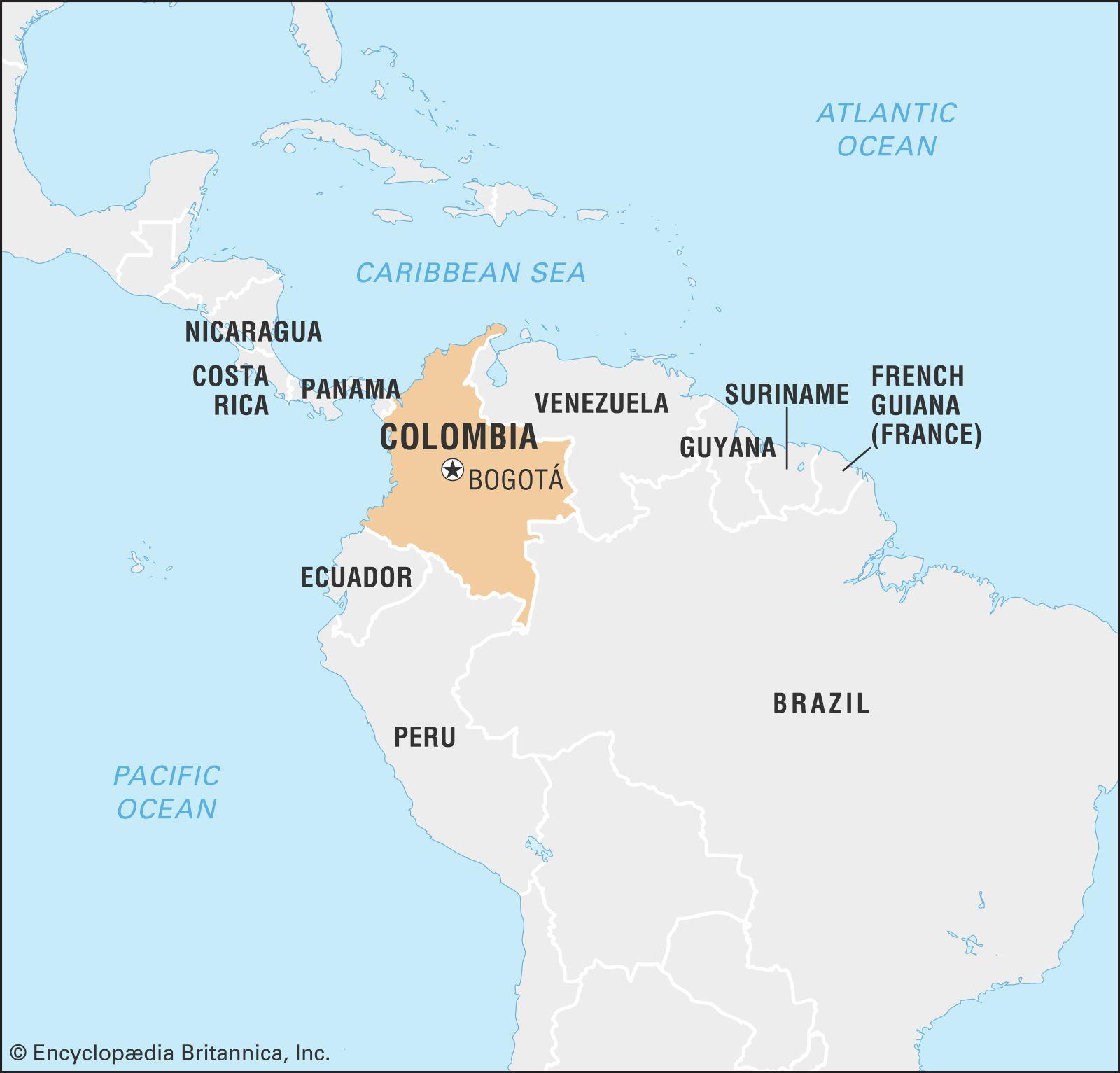
Colombian Political Violence Sparks Concerns Over Election Security and Democratic Stability
The recent assassination attempt targeting a prominent political candidate in Bogotá has sent shockwaves throughout Colombia, raising urgent questions about the safety of electoral participants and the integrity of the nation’s democratic process. President Gustavo Petro has publicly voiced suspicions that this violent act may be part of a broader conspiracy aimed at undermining Colombia’s upcoming elections. As tensions escalate amid an already volatile political climate, calls for enhanced security protocols and comprehensive investigations have intensified.
President Petro Highlights Possible Coordinated Effort Behind Attack on Candidate
In a press briefing following the incident, President Petro expressed grave concerns that the shooting was not an isolated event but potentially orchestrated by groups intent on destabilizing Colombia’s fragile political environment. He emphasized that such acts threaten to erode public trust in democratic institutions and could signal a dangerous trend toward politically motivated violence as a tool for intimidation.
The government has pledged to conduct an exhaustive inquiry into all facets surrounding the attack, including any links to organized factions seeking to influence election outcomes through fear tactics. Key elements from President Petro’s address include:
- Commitment to Justice: Assurance of a transparent investigation with accountability measures.
- Appeal for Political Solidarity: Urging leaders across party lines to condemn violence unequivocally and collaborate on safeguarding democracy.
- Acknowledgment of Historical Challenges: Recognizing Colombia’s longstanding struggles with political violence and its impact on electoral confidence.
The Broader Impact: How Violence Threatens Colombian Democracy
This attack reverberates far beyond immediate security concerns; it casts doubt over whether Colombian voters can participate freely without fear or coercion. The incident exposes vulnerabilities within democratic frameworks already strained by polarization and social unrest. According to recent data from Transparency International, Colombia ranks moderately low in perceived electoral integrity compared to regional peers—a situation exacerbated by episodes like this shooting.
The fallout is prompting many political actors to reconsider their strategies amid growing mistrust between factions. Analysts predict potential fragmentation within traditional parties alongside opportunities for emergent movements advocating reform and peacebuilding initiatives. Strengthening institutional resilience will require multifaceted approaches focused on restoring voter confidence while protecting candidates’ rights.
- Enhancing Protective Measures: Immediate deployment of increased security personnel during campaigns nationwide is critical.
- Civic Engagement Promotion: Encouraging informed public discourse can counteract apathy fueled by fear or disillusionment.
- Cross-Party Cooperation: Building coalitions dedicated to nonviolence may help unify fragmented political landscapes against intimidation tactics.
Tactical Recommendations for Safeguarding Political Candidates Amid Rising Threats
Tackling escalating threats requires proactive steps from both governmental bodies and individual candidates alike. Conducting thorough risk assessments tailored regionally enables identification of specific vulnerabilities where attacks are more likely—such as rural areas with limited law enforcement presence or urban zones experiencing heightened unrest.
A close partnership between campaign teams and local police forces is essential; visible law enforcement at rallies serves as both deterrent against aggression and rapid response mechanism if incidents occur. Additionally, integrating modern technology—like real-time GPS tracking devices coupled with emergency alert systems—can significantly improve candidate safety during public appearances or transit between events.
Nurturing community involvement also plays a pivotal role in creating protective networks around candidates: town halls, neighborhood forums, or digital platforms foster transparency while empowering citizens as active stakeholders committed to peaceful elections.
Political organizations should invest in specialized training programs focusing on crisis management skills such as de-escalation techniques, first aid response during violent outbreaks, and communication strategies under duress.
Legislators must prioritize enacting robust legal protections guaranteeing candidate security without infringing upon civil liberties—ensuring fair competition free from intimidation remains paramount ahead of national polls scheduled later this year (2025).
Navigating Forward: Upholding Democracy Amidst Turbulence
The attempted assassination marks yet another stark reminder of how fragile Colombia’s path toward stable democracy remains amidst persistent challenges posed by violence-driven politics. President Gustavo Petro’s warnings about conspiratorial forces underscore deep-rooted issues requiring urgent attention—not only through law enforcement but via systemic reforms enhancing transparency, accountability, and citizen participation.
As investigations proceed under intense scrutiny domestically and internationally alike—with organizations such as Human Rights Watch monitoring developments—the collective resolve among Colombians will be tested.
Ultimately safeguarding democratic ideals demands unwavering commitment across society: elected officials must protect their constituents’ voices; voters need assurance their choices matter free from threat; institutions ought remain impartial guardians ensuring justice prevails over chaos.
This critical juncture offers both perilous risks yet hopeful opportunities—to transform adversity into renewed dedication toward peaceable governance reflecting true popular will within one of Latin America’s most complex democracies today.*