Jair Bolsonaro’s Supreme Court Appearance: Defending Against Coup Accusations in Brazil’s Political Crossfire
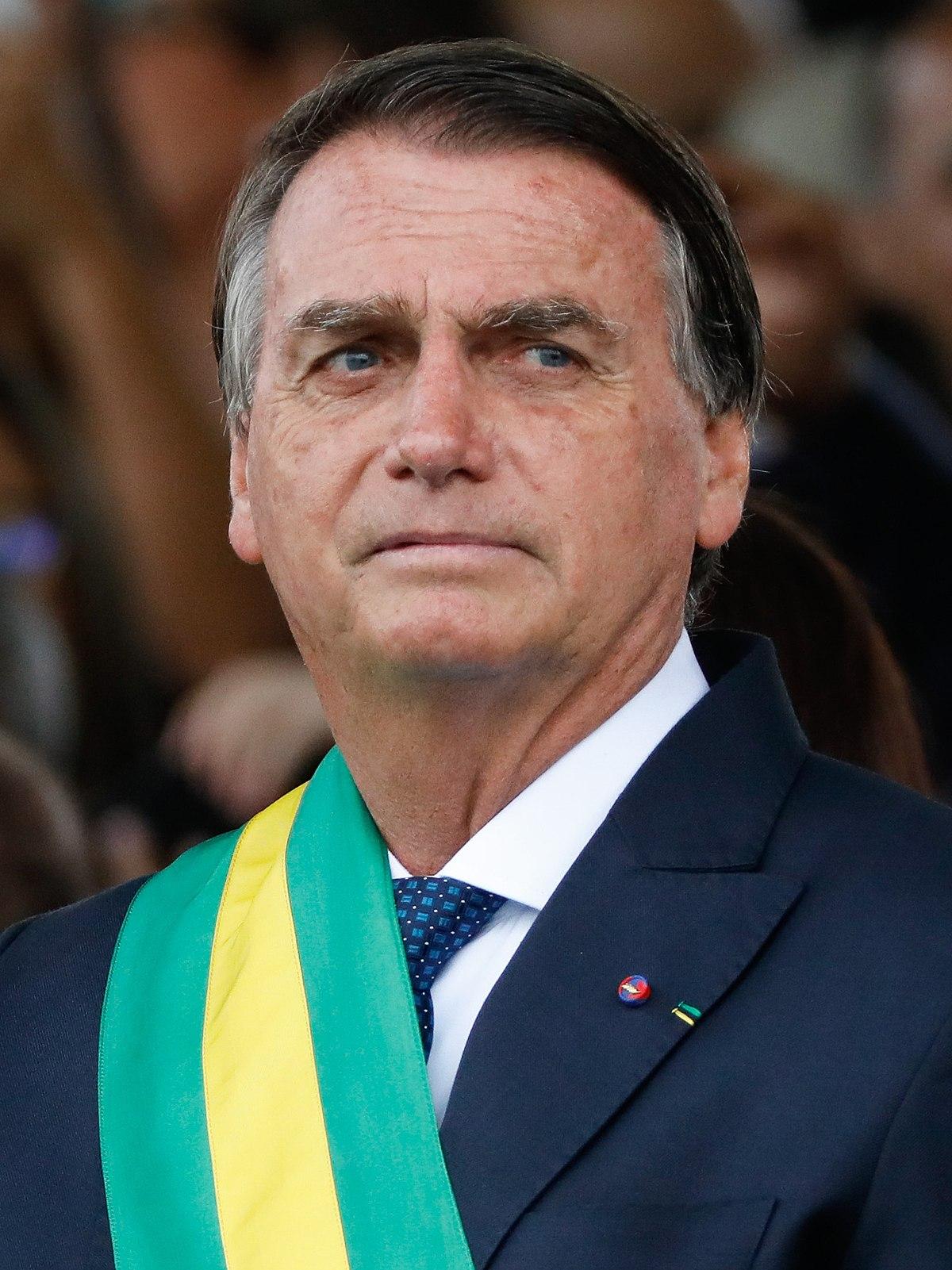
In a landmark event that has captivated Brazil’s political arena, former President Jair Bolsonaro took the stand before the Supreme Court to confront serious allegations accusing him of masterminding efforts to overturn the outcome of the 2022 presidential election. Throughout his testimony, Bolsonaro categorically denied any involvement in a coup attempt, challenging narratives that have sparked intense debate across the nation. As Brazil continues to wrestle with deep-rooted political divisions and questions about democratic resilience, this article explores the critical aspects of Bolsonaro’s defense, contextualizes these accusations within Brazil’s evolving political climate, and examines potential consequences for both the ex-president and Brazilian democracy.
Bolsonaro’s Defense at the Supreme Court: Rejecting Coup Claims Amidst Political Turmoil
The highly publicized hearing saw Jair Bolsonaro respond firmly to accusations that he orchestrated an illegal effort to subvert Brazil’s electoral process following his defeat in 2022. He maintained that all actions taken during his presidency were lawful and within constitutional limits. Key points from his testimony included:
- No intention to destabilize democracy: Bolsonaro insisted he never aimed to disrupt or dismantle democratic institutions.
- Legitimate expression of dissent: He portrayed post-election protests by his supporters as lawful demonstrations reflecting genuine dissatisfaction.
- Politically driven allegations: The former leader argued these charges are tactics employed by adversaries seeking to damage his public image.
The defense team sought to undermine prosecution claims by attributing unrest not to any coordinated plot but rather widespread misinformation circulating among segments of society. This stance has reignited national conversations about where protest rights end and unlawful conduct begins—highlighting ongoing tensions between competing visions for Brazil’s future governance.
The Broader Impact: What Bolsonaro’s Testimony Means for Brazilian Democracy
This courtroom episode arrives amid escalating polarization within Brazilian politics—a country still healing from years marked by social unrest and institutional challenges. Analysts warn that such high-profile disputes risk deepening societal divides at a time when democratic norms require reinforcement rather than erosion.
The ramifications extend beyond individual accountability; they touch on fundamental questions regarding governance stability and institutional trustworthiness. Potential outcomes include:
- An uptick in authoritarian tendencies: Some fear rhetoric similar to Bolsonaro’s could inspire anti-democratic movements elsewhere in Latin America.
- A test for judicial autonomy: The judiciary faces pressure not only from political factions but also from public opinion shaped by polarized media narratives.
- Diminishing confidence among citizens: Growing skepticism toward elected officials and courts may weaken civic engagement over time.
A recent survey conducted by Datafolha (May 2024) revealed that nearly 48% of Brazilians express concern over threats posed against democratic institutions—a figure underscoring how fragile public trust remains after years marked by contentious elections and protests.[1]
Navigating this complex landscape will require careful balancing acts between upholding rule-of-law principles while addressing legitimate grievances voiced across diverse sectors of society.
Paving a Path Forward: Enhancing Judicial Independence Amid Political Strife
The controversy surrounding Jair Bolsonaro underscores an urgent need for reforms aimed at safeguarding judicial impartiality within politically charged environments like Brazil today. Strengthening courts’ independence is vital not only for fair adjudication but also as a cornerstone supporting broader democratic health worldwide.[2]
- Cement Transparent Appointment Processes: Clear criteria free from partisan influence should govern judicial nominations ensuring meritocracy prevails over politics;
- Create Financial Autonomy Mechanisms: Allocating independent budgets shields courts from budgetary manipulation used as leverage;
- Tighten Anti-Corruption Safeguards: Robust legal frameworks must protect judges against intimidation or retaliation stemming from powerful interests;
- Evolve Continuous Judicial Education Programs: Training focused on human rights standards, ethical independence, and democratic values can reinforce principled decision-making;
Cultivating respect towards judiciary rulings through civic education campaigns can further fortify societal support structures essential during times when legal institutions face unprecedented scrutiny.
| Stakeholders | Contributions Toward Judicial Strengthening |
|---|---|
| Judicial Oversight Bodies (e.g., National Justice Council) | Monitor adherence to ethical standards; safeguard court autonomy |
| Academic & Legal Institutions | Develop curricula emphasizing rule-of-law principles; foster research on judicial reform strategies |
| Civil Society Organizations & NGOs | Advocate reforms publicly; raise awareness about importance of independent judiciary |
A Turning Point in Brazilian Politics: Reflecting on Future Prospects Post-Testimony
The recent Supreme Court session featuring Jair Bolsonaro represents more than just another chapter in one politician’s saga—it symbolizes ongoing struggles confronting one of Latin America’s largest democracies today. By denying coup-related accusations emphatically yet facing mounting evidence scrutinizing post-election events, Bolsonaro has intensified debates around transparency, accountability, and institutional resilience.[3]
Brazil stands at a crossroads where decisions made now will shape its trajectory toward either reinforcing democratic safeguards or risking further instability amid rising populism globally. Keeping vigilant attention on unfolding developments remains crucial—not only domestically but also internationally—as observers watch how this pivotal moment influences future electoral integrity debates worldwide.
[1] Datafolha Poll Report – May 2024
[2] International Commission on Jurists – Judicial Independence Report (2023)
[3] Latin American Political Review – “Brazilian Democracy Under Pressure,” April Edition (2024)