Harnessing Ventilation Corridors in Shijiazhuang: Pioneering Cleaner Air Through Smart Urban Design
As urban centers worldwide confront escalating air pollution, Shijiazhuang, a rapidly growing city in China, is pioneering innovative urban planning solutions to enhance air quality and public health. Recent studies featured on ScienceDirect.com emphasize the vital function of ventilation corridors—designated pathways that facilitate airflow—in mitigating smog and improving environmental conditions. Amidst the pressures of swift urbanization and increasing emissions, Shijiazhuang’s strategic identification and incorporation of these natural air channels offer a promising blueprint for other cities grappling with similar ecological challenges. This article examines these findings while underscoring the significance of sustainable city development in today’s world.
Ventilation Corridors: A Key to Revitalizing Air Quality in Shijiazhuang
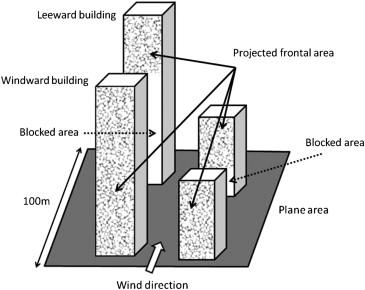
In densely populated cities like Shijiazhuang, ventilation corridors serve as more than just green belts—they act as essential conduits for fresh air movement that dilute pollutants concentrated by heavy traffic and industrial activity. By channeling prevailing winds through carefully planned routes, these corridors help disperse airborne contaminants such as particulate matter (PM2.5) and nitrogen oxides (NOx), which are linked to respiratory diseases.
The design process involves an interdisciplinary collaboration among urban planners, environmental experts, and municipal authorities who analyze several critical factors:
- Topographical Features: Mapping natural landforms to identify optimal airflow paths.
- Population Density Patterns: Targeting zones with high residential or commercial concentration where pollution tends to accumulate.
- Vegetation Selection: Choosing native flora capable of filtering pollutants effectively while supporting local ecosystems.
| Dimension | Significance |
|---|---|
| Public Health Advantages | Diminishes incidence rates of asthma and chronic bronchitis among residents. |
| Ecosystem Enhancement | Counters urban heat island effects; fosters biodiversity within city limits. |
| Economic Incentives | Boosts real estate appeal; attracts eco-conscious investments due to improved living standards. |
Blending Green Infrastructure with Ventilation Networks for Sustainable Urban Environments
To maximize the benefits offered by ventilation corridors, integrating them seamlessly with green infrastructure is imperative. This approach not only improves airflow but also enriches biodiversity and enhances residents’ quality of life.
Key strategies include:
- Cultivating Indigenous Plant Species: Utilizing vegetation adapted to local climate conditions ensures resilience while optimizing pollutant absorption capabilities.
- Diversifying Vegetative Layers: Implementing multi-tiered plantings—from ground cover to canopy trees—to trap dust particles efficiently and provide cooling shade that mitigates temperature spikes common in metropolitan areas.
- Pervious Surface Installation: Incorporating permeable pavements within green spaces facilitates rainwater infiltration reducing runoff-related issues such as flooding or water pollution.
Alongside vegetative measures, enhancing mechanical ventilation systems complements natural airflow patterns:
- Naturally Aligned Vent Openings: Designing building layouts with windows or vents oriented toward prevailing winds supports passive cooling without excessive energy consumption.
- Sensors-Driven Automated Controls: Employing smart technologies that adjust openings based on real-time pollutant levels optimizes indoor-outdoor air exchange dynamically.
- Civic Participation Programs:Engaging communities through education campaigns fosters stewardship over green spaces ensuring their upkeep contributes continuously toward cleaner air goals.
Approach Advantages < / tr >
< / thead >< td >Green Corridors
< / td >< td >Enhance atmospheric cleansing; support wildlife habitats
< / td >< tr >< td >Natural Ventilation Features
< / td >< td >Reduce reliance on artificial cooling; lower utility expenses
< / td >< tr >< td >Community Involvement
< / td >< t d >Promote sustained maintenance efforts; increase environmental awareness
< / t d >Policy Recommendations for Advancing Sustainable Urban Growth in Shijiazhuang City
For policymakers aiming at long-term improvements in urban livability through enhanced air quality management, prioritizing ventilation corridor development is essential. These initiatives should be embedded within broader frameworks promoting ecological balance alongside economic vitality.
Recommended actions include:
- to pinpoint ideal corridor locations;
-
Moreover , fostering partnerships between government agencies , scientists , developers ,and citizens can accelerate adoption of innovative solutions such as :
Initiative Expected Outcome < tbody >< tr >< th scope= "row" >Optimal Site Identification
< / th >< t d role = "cell" data - colindex = "2" data - coltype = "text" data - value = "" aria-describedby = "" aria-label = "" tabindex = "-1" data - cellid ="cell_0_1" data - celltype ="text" data - cellvalue ="Improved Airflow" data-cellindex ="1" data-celltypehint ="string" aria-hidden ="true">Improved Airflow< / t d >/tr>/
/ Community Engagement Enhanced Public Support
/tr/>
Zoning Enforcement Protection Of Green Spaces
/tr/>
/table>
Looking Ahead: Building a Breathable Future for Shijiazhuang
In summary , establishing well-planned ventilation corridors represents a transformative step towards combating pollution challenges faced by fast-growing cities like Shijiazhuang . As documented by recent research on ScienceDirect.com , this approach not only improves ambient air quality but also elevates overall urban sustainability . With PM2.5 concentrations frequently exceeding WHO recommended limits across many Chinese metropolises — including episodes where levels surpass 150 µg/m³ during winter months — proactive measures like those adopted here are urgently needed .
By weaving together nature-based solutions with cutting-edge technology under inclusive governance frameworks ,Shijiazhuang can set new standards for healthy living environments . The success story unfolding here will likely inspire other global cities striving towards greener futures where human health coexists harmoniously alongside thriving ecosystems . The eyes of international observers remain fixed on this ambitious endeavor aimed at securing cleaner skies for generations ahead.
Related Posts