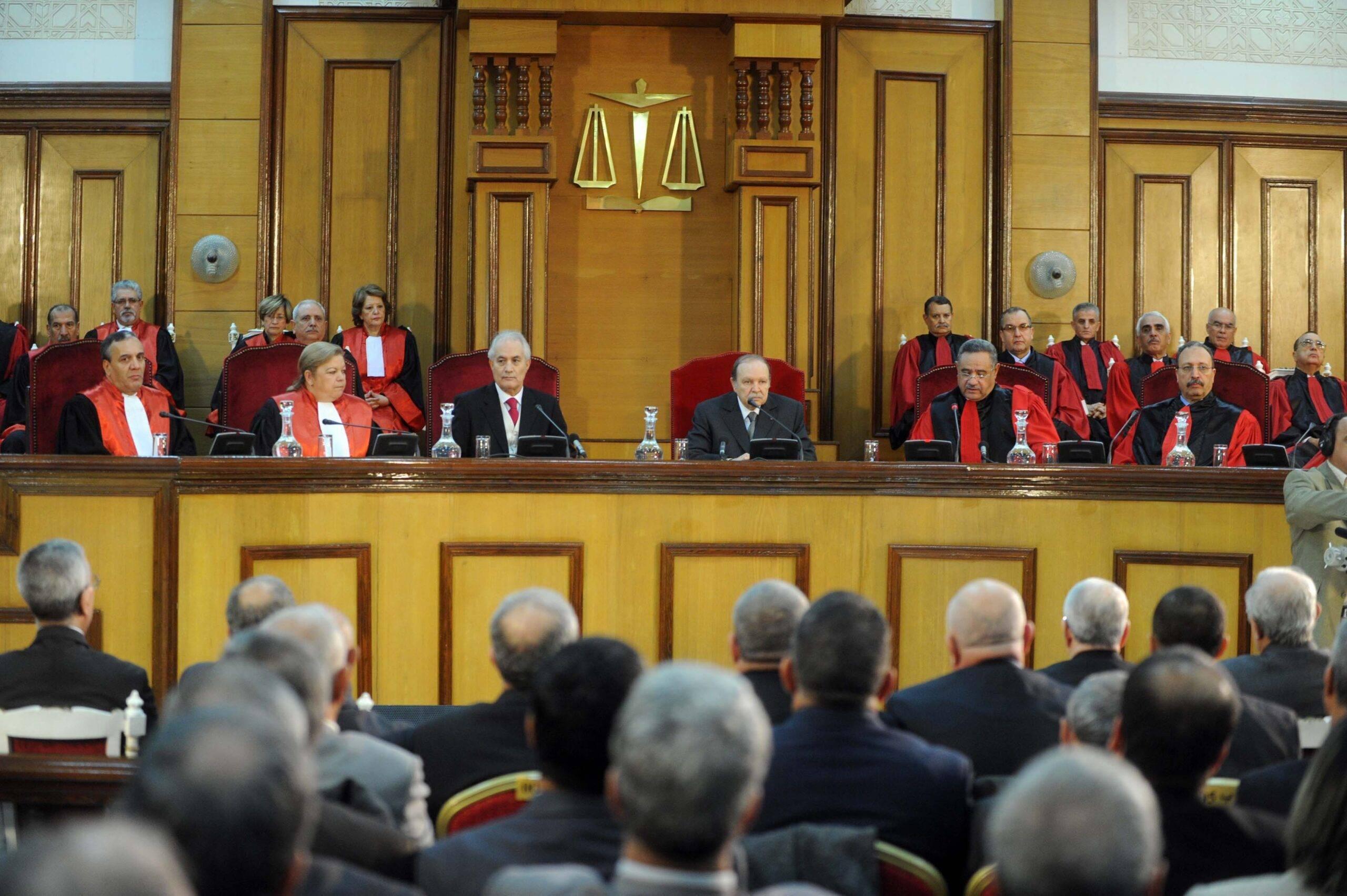
In a significant development for freedom of expression in Algeria, an Algerian court has upheld a five-year prison sentence against acclaimed novelist Boualem Sansal, whose works often critique the country’s political landscape and social issues. The ruling, announced by the court on Wednesday, has sparked widespread condemnation from human rights advocates and literary communities both within Algeria and abroad. As calls for reform and greater civil liberties grow louder, Sansal’s case serves as a stark reminder of the challenges faced by artists and intellectuals in a nation grappling with its past and searching for its future. This decision not only raises concerns about the continuance of state repression but also shines a light on the precarious position of dissenting voices in North Africa.
Algeria’s Judicial System Under Scrutiny Following Sansal’s Imprisonment
The recent decision to uphold the five-year prison sentence of Algerian author Boualem Sansal has sparked widespread outrage and debate about the integrity of the nation’s judicial system. Critics argue that this verdict is indicative of a broader pattern of judicial overreach and suppression of dissenting voices within Algeria. Observers note that the government’s actions against writers and activists often emphasize a troubling trend where the judiciary is seen as an arm of the political apparatus, rather than an independent institution serving justice. This case has raised questions about the balance between national security and freedom of expression, suggesting that the judiciary may be prioritizing political stability over individual rights.
There are several key implications stemming from Sansal’s imprisonment that warrant attention:
- International Condemnation: Human rights organizations have condemned the ruling, calling for his immediate release.
- Impact on Freedom of Speech: This case may serve as a chilling warning to writers and journalists within Algeria.
- Calls for Judicial Reform: Many advocates are arguing that this incident should prompt a reevaluation of the judicial system’s independence.
Despite the government’s insistence on upholding national security, many civil liberties groups contend that the imprisonment of individuals like Sansal erodes public trust in the law. The case has ignited discussions about the necessity for reform in legal practices and the judiciary itself, with increased pressure mounting on authorities to ensure that justice is served free from political influence. As international scrutiny intensifies, the Algerian government faces a pivotal moment to either reaffirm its commitment to human rights or risk further isolation on the global stage.
Impact of Sansal’s Sentence on Freedom of Expression in Algeria
The recent decision by an Algerian court to uphold the five-year prison sentence of writer Boualem Sansal has sent shockwaves through the country’s literary and intellectual community. Critics argue that this ruling not only stifles individual expression but also serves as a stark warning to other creators about the risks of voicing dissenting opinions. Such a punitive measure enhances the environment of self-censorship among journalists, academics, and artists, effectively undermining the very fabric of freedom of expression that is essential for a vibrant society. As Sansal himself has advocated for democratic values, his situation raises crucial questions about where the lines are drawn in a country grappling with its own identity and future.
The implications of this ruling extend beyond literature and art, impacting the broader social landscape. With the repressive nature of the Algerian regime being brought into the spotlight, observers worldwide are left to wonder how this will affect public discourse within the country. Key points include:
- Chilling Effects: Fear of imprisonment may deter public critique.
- International Reputation: Algeria risks further isolation from global partners.
- Youth Response: Increased activism among younger generations demanding change.
As the repercussions unfold, it is essential to monitor how both domestic and international communities respond to these developments, and whether they may lead to a shift in the political landscape of Algeria.
International Community Calls for Advocacy on Behalf of Political Prisoners
The recent decision by an Algerian court to uphold a five-year jail term for the acclaimed writer Boualem Sansal has sparked outrage among intellectuals and human rights advocates worldwide. *Sansal*, known for his outspoken criticism of government policies and voicing support for democratic reforms, now faces a grim reality as he remains imprisoned on charges widely regarded as politically motivated. The ruling aligns with a troubling trend in Algeria, where authorities have intensified their clampdown on dissenting voices, targeting not only writers but also activists, journalists, and everyday citizens who dare to challenge the status quo.
International organizations, including *Amnesty International* and *Human Rights Watch*, are demanding that the Algerian government recognize the rights of political prisoners and halt the ongoing persecution. Advocates are emphasizing the need for united efforts across borders to pressure Algerian authorities. Key points of advocacy include:
- Raising Awareness: Mobilizing global media to highlight the plight of writers and activists.
- Supporting Legal Defenses: Providing resources to legal teams defending political prisoners.
- Campaigning for Release: Launching petitions and social media campaigns to push for immediate release.
Efforts to stand in solidarity with Sansal and others like him are essential. As the international community rallies together, staying informed and proactive could be pivotal in delivering justice where it is long overdue.
To Conclude
In conclusion, the Algerian court’s decision to uphold the five-year jail term of writer Kamel Daoud Sansal underscores the ongoing tensions between artistic freedom and state authority in Algeria. As authorities continue to navigate the complex landscape of dissent and expression, the implications of this ruling extend beyond the individual case. It raises critical questions about the future of intellectual discourse in the country and the broader implications for human rights and freedoms in the region. As international observers watch closely, the fate of Sansal’s pen ultimately becomes a symbol of resistance in a society grappling with its own narrative. The international community’s response to such developments will be essential in fostering an environment where voices of dissent can be heard without fear of reprisal.