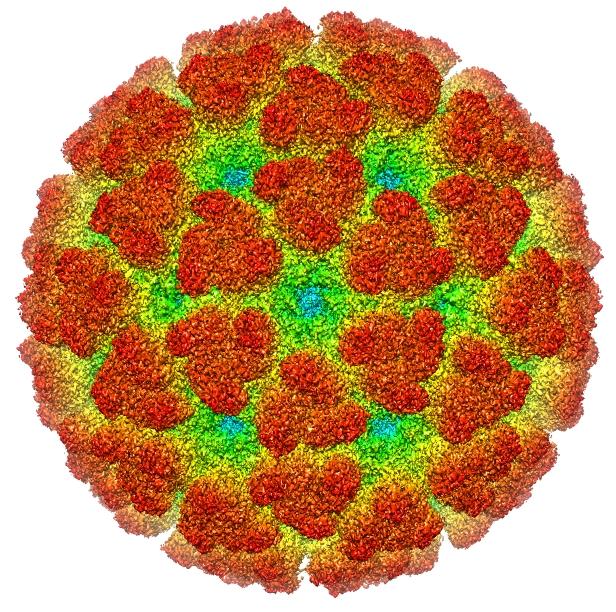
In a recent statement that has attracted significant attention in the public health sector, China’s Centers for Disease Control and Prevention (CDC) has clarified that the chikungunya virus, known for causing debilitating fever and joint pain, is not transmitted through person-to-person contact. This reassurance comes amid growing concerns about the virus as cases have emerged in various regions. As the world grapples with the complexities of infectious diseases, the CDC’s guidance aims to alleviate fears, while underscoring the importance of understanding transmission methods to prevent potential outbreaks. In this article, we delve into the implications of this declaration and explore the broader context of chikungunya virus transmission and its impact on public health.
Chikungunya Virus Transmission Clarified by China’s CDC
The Chinese Center for Disease Control and Prevention (CDC) has recently clarified misconceptions surrounding the transmission of the chikungunya virus. Contrary to public fears, health officials have stated that the virus is not transmitted from person to person. Instead, the primary mode of transmission involves infected mosquitoes, specifically those from the Aedes genus, such as Aedes aegypti and Aedes albopictus. This revelation comes as a relief amid concerns of potential outbreaks in urban areas where mosquito populations thrive.
To further educate the public on the chikungunya virus, the CDC has outlined key points regarding its transmission:
- Primary Vector: Aedes mosquitoes are responsible for spreading the virus.
- Symptoms: Infected individuals may experience fever, joint pain, and rash, resembling those of other viral infections.
- Preventive Measures: Eliminating standing water and using mosquito repellents can help reduce the risk of infection.
In light of this information, communities are urged to stay informed and adopt preventive measures, especially in areas prone to mosquito infestations. As the chikungunya virus continues to emerge, the role of public awareness becomes ever more critical in minimizing its impact.
Understanding the Role of Mosquitoes in Chikungunya Spread
To comprehend the dynamics of Chikungunya virus transmission, it is essential to focus on mosquitoes, which serve as the primary vectors for the disease. Two species, in particular, are significant in this context:
- Aedes aegypti: Commonly found in urban areas, this mosquito is notorious for transmitting various viruses, including Chikungunya and Zika.
- Aedes albopictus: Known as the Asian tiger mosquito, it is adaptable and can thrive in both urban and rural settings, increasing the spread potential of the virus.
The transmission cycle begins when an infected mosquito bites a human, injecting the virus into their bloodstream. Understanding the environmental factors that influence mosquito population growth is vital for controlling outbreaks. Key elements include:
| Factor | Impact on Mosquitoes |
|---|---|
| Temperature | Higher temperatures accelerate breeding and development rates. |
| Rainfall | Stagnant water sources promote breeding habitats. |
| Urbanization | Increased human habitation offers more biting opportunities. |
By actively monitoring and managing these environmental conditions, public health authorities can reduce mosquito populations and thus lower the risk of Chikungunya outbreaks in affected regions. Efforts such as community education, insecticide application, and habitat management are essential strategies in this ongoing battle against the disease.
Public Health Recommendations to Mitigate Chikungunya Risk
The recent findings from China’s CDC emphasize the importance of understanding the modes of transmission of the Chikungunya virus. While it is confirmed that the virus is not spread from person to person, enhancing public health recommendations can play a crucial role in reducing the risk of infection through mosquito bites. Communities are urged to engage in proactive measures to keep mosquito populations at bay. Key strategies include:
- Eliminating Breeding Sites: Regularly remove standing water around homes, such as in flower pots, buckets, and clogged drains.
- Using Insect Repellents: Apply insect repellent containing DEET or picaridin when outdoors, particularly during the early morning and late afternoon hours.
- Protective Clothing: Wear long-sleeved shirts and long pants when in areas where mosquitoes are prevalent.
In addition to individual efforts, community-based initiatives must be reinforced. Local health authorities should conduct educational campaigns to raise awareness about the virus and prevention strategies. Additionally, the following measures can be implemented through local governance:
| Action | Description |
|---|---|
| Monitoring Mosquito Activity | Track mosquito populations and habitats to target control efforts effectively. |
| Public Awareness Campaigns | Disseminate information on symptoms of Chikungunya and encourage reporting cases. |
| Community Clean-Up Drives | Organize events to clear potential breeding sites in neighborhoods. |
The Conclusion
In conclusion, the findings from China’s Centers for Disease Control and Prevention (CDC) provide crucial clarity on the transmission dynamics of the Chikungunya virus, emphasizing that it is not spread from person to person. This information reassures the public and health officials alike, as they continue to monitor the situation and implement measures to curb the spread of the disease through its primary vectors-mosquitoes. As awareness grows around the Chikungunya virus, public health strategies will be vital in ensuring the safety and well-being of communities. Continued vigilance, research, and education will be essential in combating not only Chikungunya but also other vector-borne diseases that threaten global health.