In a significant turn of events amidst ongoing clashes in Sudan, the national army has successfully regained control of strategic areas in the capital city of Khartoum, previously held by the Rapid Support Forces (RSF). This development comes as the conflict between the two factions escalates, marking a critical phase in the power struggle that has gripped the nation for months. As fighting intensifies, residents of Khartoum continue to endure the hardships of warfare, with reports of escalating casualties and a deteriorating humanitarian situation. This article delves into the latest military advancements by the Sudanese army, the implications for the broader conflict, and the precarious future for civilians caught in the turmoil.
Sudan Army Launches Counteroffensive to Regain Control of Khartoum
The ongoing conflict in Sudan has escalated significantly as the national military forces have intensified their efforts to reclaim the capital, Khartoum, from the paramilitary group known as the Rapid Support Forces (RSF). Reports indicate that the Sudanese army has successfully reclaimed several strategic neighborhoods, pushing back against RSF positions that have wreaked havoc on civilian life. The military’s counteroffensive is marked by heavy clashes, with both sides exchanging gunfire across the city. This escalation has raised concerns about the safety of residents, many of whom are trapped amidst the violence. Key areas reported retaken include:
- Al-Amin district
- Al-Shabaha area
- Southern outskirts
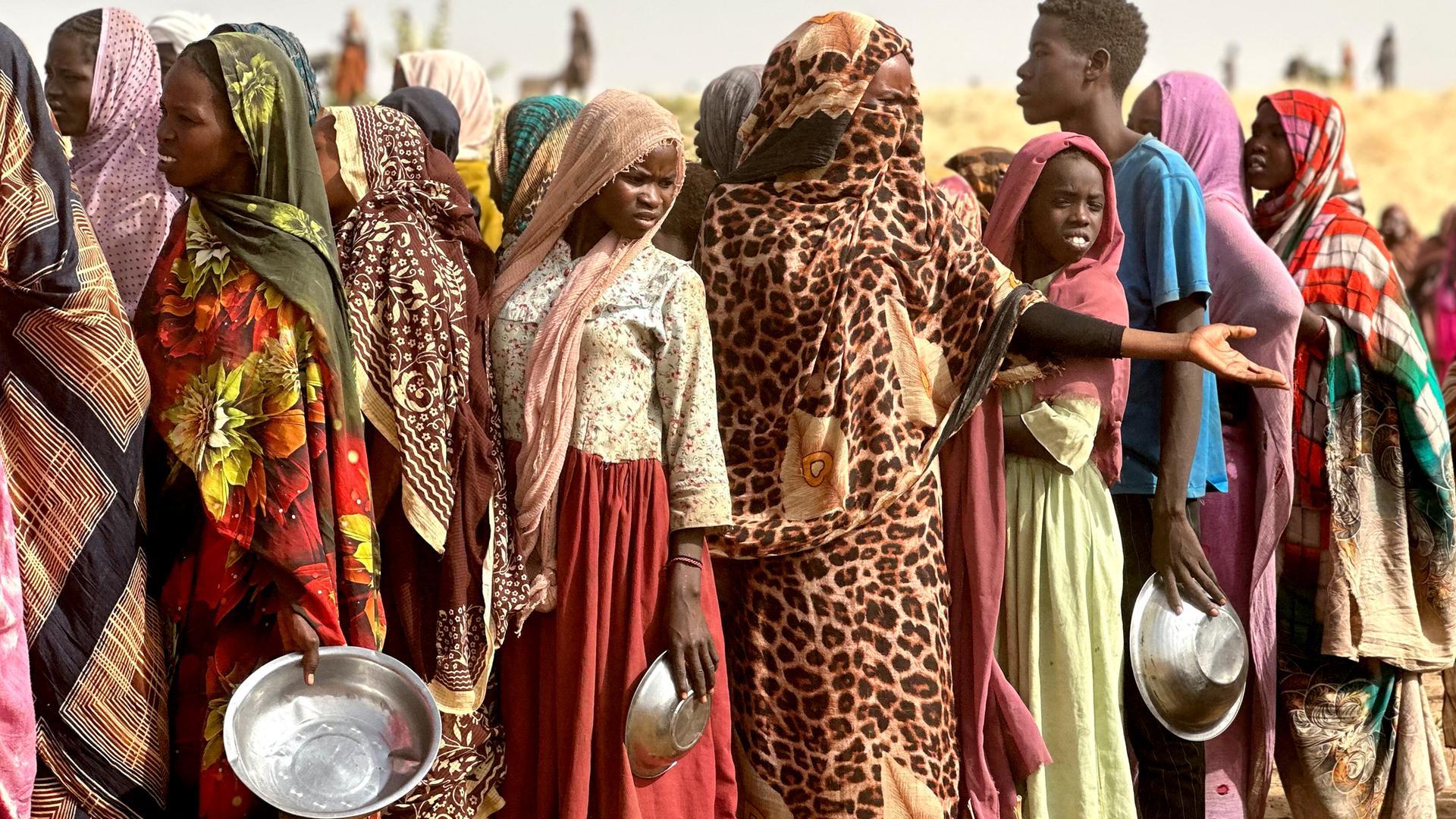
As the Sudanese army continues its operations, local sources report a surge in civilian displacement, with thousands fleeing to seek refuge in neighboring regions. Humanitarian organizations have expressed alarm over the deteriorating conditions, highlighting the critical need for aid in affected areas. Meanwhile, the international community watches closely, urging both sides to protect civilians and uphold humanitarian laws. The overarching situation remains fluid, with expectations of further military engagements as the government forces fortify their presence in and around Khartoum. Below is a summary of the impact of the recent military actions:
| Impact Area | Details |
|---|---|
| Civilian Displacement | Over 100,000 people forced to leave their homes |
| Infrastructure Damage | Significant damage to residential buildings and essential facilities |
| Access to Aid | Severely hampered, creating a humanitarian crisis |
Strategic Implications of the Army’s Advances on the RSF Stronghold
The recent advances by the Sudanese army in retaking significant territories in Khartoum from the Rapid Support Forces (RSF) are reshaping the strategic landscape of the ongoing conflict. These developments can be interpreted as a crucial turning point, marking not only a shift in territorial control but also potentially influencing the morale of both forces and the civilian population. The Sudanese military’s successes may embolden their operations, leading to a *reinforcement of military strategies* aimed at consolidating power in urban centers. This gain could also pave the way for international diplomatic efforts to stabilize the region, as the army’s ability to reclaim key areas underscores a level of strategic effectiveness that foreign powers may find compelling in their engagement strategies.
Moreover, the implications extend beyond immediate military outcomes. The territorial concessions made by the RSF could lead to a re-evaluation of their operational capabilities and internal cohesion. As the Sudanese army consolidates control, the RSF may face challenges in recruiting and maintaining support among local populations. This shift in control might foster a sense of urgency within the RSF, urging them to adapt their tactics in response to the enhanced military posture of the Sudanese government. It raises critical questions surrounding the sustainability of their influence and how external actors, including regional powers, will react to these developments.
| Key Factors | Consequences |
|---|---|
| Military Gain in Khartoum | Enhanced government control |
| Change in Morale | Heightened confidence in armed forces |
| RSF Strategic Reevaluation | Potential loss of local support |
| International Attention | Increased diplomatic engagement opportunities |
Prospects for Peace and Stability in Sudan Amid Escalating Conflict
The ongoing conflict in Sudan has dramatically impacted the prospects for lasting peace and stability in the region. With the Sudanese army reasserting control over more territories in Khartoum from the Rapid Support Forces (RSF), analysts worry about the implications of this military escalation. As various factions vie for power, the civilian population faces increasing instability and insecurity, leading to a humanitarian crisis that requires urgent attention. The international community is closely monitoring the situation, recognizing the need for diplomatic efforts to mediate and foster a ceasefire. Key players, including regional powers and global organizations, are contemplating potential interventions to restore order.
In the context of these developments, several factors could influence the potential for peace:
- International mediation: Efforts by neighboring countries and international organizations may lead to negotiations aimed at establishing a framework for dialogue.
- Humanitarian needs: The escalating conflict has created urgent humanitarian needs, which could serve as a catalyst for a ceasefire.
- Unity among opposition groups: If opposition factions can unite against a common threat, their collective strength may influence the military’s actions.
- Regional stability: The geopolitical landscape in the Horn of Africa is fragile; stability in Sudan is vital for the wider regional security.
| Stakeholder | Role in Conflict |
|---|---|
| Sudanese Army | Leading military efforts to retake control of the capital |
| RSF | Militia challenging the interim government’s authority |
| International Community | Mediation and support for humanitarian efforts |
| Civil Society | Advocating for peace and stability |
To Conclude
In conclusion, the ongoing conflict in Sudan continues to reshape the landscape of Khartoum as the national army regains control over key areas previously held by the Rapid Support Forces (RSF). The evolving situation highlights the complexities of urban warfare and the profound humanitarian implications for the civilian population. As the battle for the capital intensifies, both national and international stakeholders must remain vigilant, seeking avenues for dialogue and resolution amid escalating tensions. The fate of Sudan hangs in the balance, and the world watches closely as this critical chapter unfolds.