Introduction
In recent months, the situation in Ethiopia’s Tigray region has taken a disconcerting turn, raising concerns that the area may be on the brink of yet another conflict. Following a brutal civil war that erupted in late 2020, the fragile peace achieved through a ceasefire agreement in late 2022 has proven tenuous at best. Resurgent tensions between the Tigray People’s Liberation Front (TPLF) and the federal government, exacerbated by humanitarian crises and political instability, have ignited fears of renewed violence. With a backdrop of ethnic rivalries, resource disputes, and the lingering scars of past hostilities, the international community watches closely as Ethiopia grapples with the possibility of a resurgence in armed conflict that could destabilize the entire Horn of Africa. As the stakes rise, the urgency for diplomatic engagement and conflict resolution becomes all the more critical.
Escalating Tensions and Political Fractures in Tigray
The region of Tigray is once again gripped by unrest as deep-seated frustrations among various political factions rise to the surface. The power dynamics have shifted dramatically since the federal government’s recent initiatives to decentralize authority, leading to concerns over marginalization and the erosion of gains made during the peace process. Key players, including former Tigray People’s Liberation Front (TPLF) leaders, have expressed alarm over the resurgence of ethnic rivalries, with regional grievances becoming magnified in an atmosphere rife with distrust. The implications of these tensions are profound, threatening to unravel the fragile peace achieved following two years of devastating conflict.
Recent developments paint a troubling portrait of escalating discord, characterized by a series of key factors:
- Increased Militarization: Reports indicate a rise in armed confrontations and recruitment of militia groups.
- Political Infighting: Discontent among local leaders is exacerbating fissures within the political landscape.
- Humanitarian Crisis: The ongoing humanitarian situation is hindering dialogue and fostering desperation among the population.
- Ethnic Tensions: Ethnic identities have become rallying points, fueling nationalistic sentiments that threaten stability.
In light of these developments, a closer examination of the underlying sociopolitical structures reveals a tapestry of frayed alliances and broken promises. An analysis table illustrates how various groups perceive the current climate:
| Political Group | Current Stance | Support Base |
|---|---|---|
| TPLF | Opposed to federal reforms | Ethiopian Nationalist/ Tigrayan |
| Federal Government | Advocating for decentralization | Broad Ethiopian Citizens |
| Ethnic-based Militias | Assertive in local governance | Ethnic Communities |
The precarious balance is shifting dangerously, as local grievances threaten to undermine larger national interests. With calls for political reconciliation growing urgent, the international community must closely monitor developments and understand the historical context of these multi-layered conflicts to prevent further escalation.
The Role of Regional Powers in Ethiopia’s Security Landscape
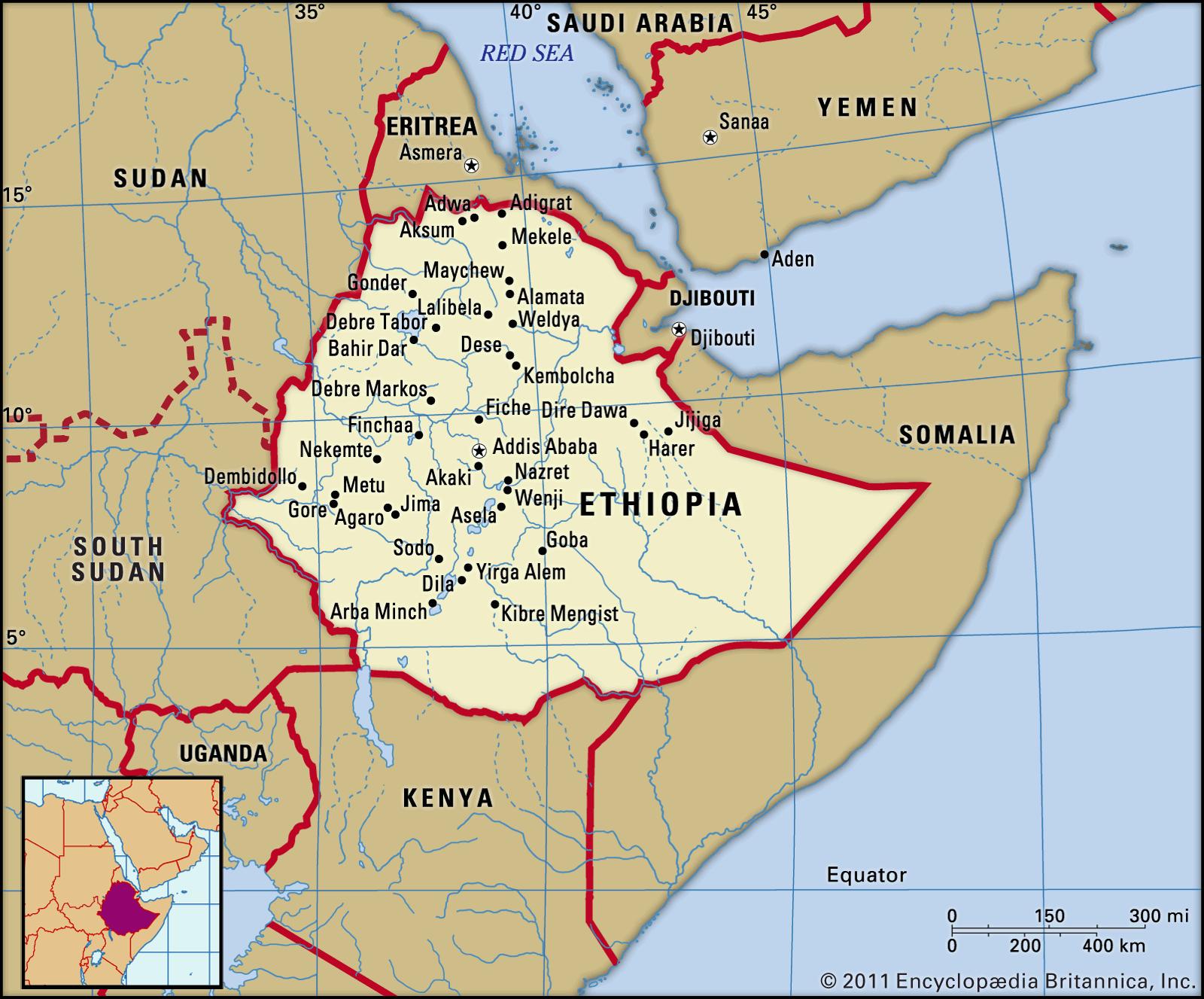
The security landscape in Ethiopia has increasingly been shaped by the actions and ambitions of regional powers, each influencing the internal dynamics in Tigray. As Ethiopia continues to grapple with the impacts of civil strife, countries such as Eritrea and Sudan have played significant roles, directly influencing events on the ground. The interplay between these regional actors raises multiple concerns about stability:
- Eritrea’s Military Presence: With its troops having crossed into Tigray during the conflict, Eritrea’s involvement has implications for Ethiopia’s sovereignty and territorial integrity.
- Sudan’s Interests: Sudan’s own political instability and its border disputes with Ethiopia further complicate the security scenario, as it seeks to assert its influence in the region.
- Proxy Dynamics: Various regional states may leverage the conflict to pursue their strategic interests, complicating peace initiatives.
Furthermore, the fragile alliances formed between Ethiopia and its neighboring states may steer the nation towards further conflict or uneasy peace. By fostering alliances based on mutual interests, regional powers may inadvertently escalate tensions when those interests clash. This is evidenced by a recent downturn in diplomatic relations, highlighting the delicate balance of power in the Horn of Africa. The following table summarizes the key players and their potential impacts:
| Country | Influence on Tigray | Potential Risks |
|---|---|---|
| Eritrea | Military engagement in Tigray | Escalation of conflict |
| Sudan | Border disputes with Ethiopia | Regional instability |
| Egypt | Water disputes affecting negotiations | Heightened tensions over resources |
Potential Paths to Peace and Stability for Tigray’s Future
The road to lasting peace and stability in Tigray hinges on several crucial factors that must be addressed collaboratively by local leaders, the federal government, and international stakeholders. Inclusive dialogue is paramount, allowing all affected parties, including civil society, ethnic groups, and former combatants, to voice their concerns and aspirations. Key steps toward achieving this may include:
- Reconciliation initiatives aimed at healing past grievances and building trust among communities.
- Economic development programs designed to stimulate growth and provide livelihoods, particularly for youth.
- Monitoring ceasefire agreements through neutral international bodies to prevent escalations and ensure compliance.
Furthermore, addressing humanitarian needs and restoring essential services can significantly contribute to a more stable environment. Effective implementation of aid distribution and infrastructure repair is critical in fostering goodwill and reducing tensions. A collaborative approach could potentially involve:
| Strategy | Description |
|---|---|
| Humanitarian Aid | Swift delivery of food, medical supplies, and shelter to affected populations. |
| Security Reforms | Retraining of local police and military to focus on community protection rather than conflict. |
| Civic Engagement | Encouraging grassroots movements to participate in governance and peacebuilding efforts. |
Final Thoughts
As the situation in Ethiopia’s Tigray region remains tenuous, the specter of renewed conflict looms large. With deep-seated political grievances, humanitarian crises, and the fragility of peace agreements in play, the path forward appears increasingly precarious. The international community watches closely, aware that further violence could not only destabilize the region but also exacerbate existing humanitarian needs. As dialogue persists amid underlying tensions, the call for a sustained commitment to peace and reconciliation has never been more urgent. For the people of Tigray, the hope for stability remains fragile, and it is imperative that both local leaders and international stakeholders prioritize dialogue over division to avert another devastating chapter in the region’s history.