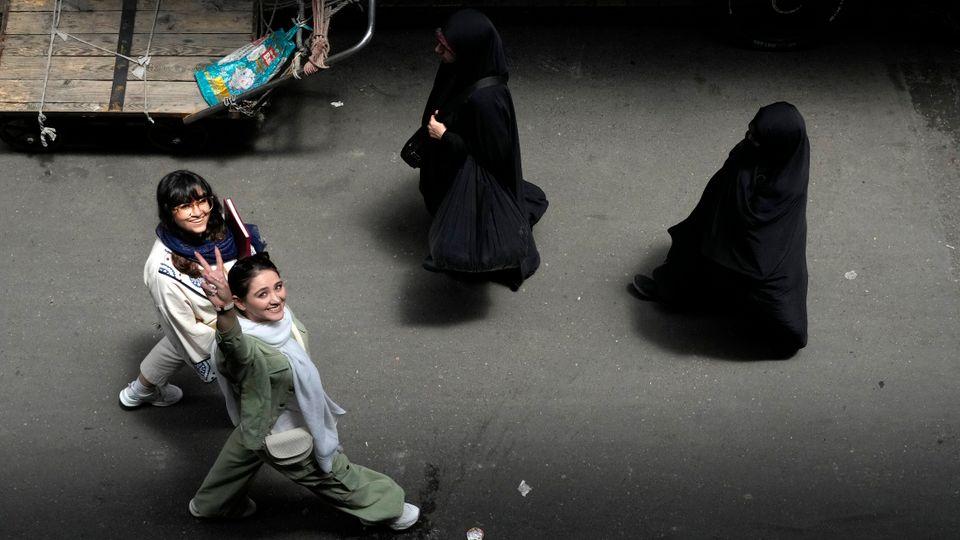
As the dust settles on the collapsed nuclear deal with Iran, the geopolitical landscape of the Middle East is once again in flux. The Joint Comprehensive Plan of Action (JCPOA), once heralded as a breakthrough in diplomacy, has unraveled amid rising tensions and shifting alliances. In the wake of this development, Iran finds itself navigating a complex web of power dynamics and external pressures that could reshape the region’s future. Nations are reassessing their strategies, with various stakeholders closely monitoring Iran’s responses as it grapples with economic challenges, domestic unrest, and its regional ambitions. This article delves into the implications of the nuclear deal’s demise, exploring how Iran’s posture may influence the balance of power in the Middle East and what this could mean for international relations moving forward.
The Resurgence of Regional Tensions Amidst Nuclear Deal Failures
The landscape of the Middle East is witnessing a noticeable shift as regional tensions are reigniting in the wake of the nuclear deal’s disintegration, which had promised a pathway to diplomatic engagement and stability. As the Iranian regime reasserts its influence across various fronts, several neighboring nations-primarily Saudi Arabia, Israel, and Turkey-are recalibrating their strategies. Key factors contributing to this resurgence of tensions include:
- Iran’s military posturing: Increased missile tests and exercises have alarmed regional adversaries.
- The proxy warfare dynamic: Heightened engagements in Iraq, Syria, and Yemen, where Iranian-backed factions continue to challenge established powers.
- Shifting alliances: Countries reassessing their diplomatic ties and adopting more aggressive stances against perceived threats.
In this precarious scenario, the international community is left grappling with the implications of a more emboldened Iran. As the fear of a nuclear-capable Iran looms large, nations are investing in defense enhancements and forming new coalitions. A recent study illustrates this concern, highlighting a surge in military expenditures across the region:
| Country | 2023 Military Expenditure (Estimated in Billion USD) |
|---|---|
| Saudi Arabia | 60 |
| Israel | 24 |
| Turkey | 20 |
| Iran | 15 |
This trajectory could potentially culminate in an arms race, further complicating the delicate balance of power and deepening the geopolitical divides within the region.
Navigating International Relations: Iran’s Strategy for Survival and Influence
In the wake of the nuclear deal’s collapse, Iran’s international posture has shifted dramatically, focusing on enhancing its regional influence while navigating intense diplomatic and economic pressures. The regime has adopted a multifaceted strategy aimed at solidifying its alliances, particularly with other non-Western powers such as Russia and China, who share a mutual interest in counterbalancing U.S. influence in the Middle East. By leveraging its vast energy resources and maintaining its role as a key player in regional conflicts, Iran seeks to assert itself as a critical power broker in an increasingly polarized geopolitical landscape. Among its tactics are:
- Strengthening military alliances with groups like Hezbollah and the Houthis.
- Enhancing economic ties with BRICS nations to mitigate sanctions impact.
- Engaging in proxy wars to extend its influence across the region.
As Tehran recalibrates its foreign policy, it also faces the dual challenge of internal dissent and external threats. The Iranian leadership acknowledges that a reliance on hard power could provoke further isolation, driving home the necessity for a more nuanced approach that combines diplomacy with strategic military posturing. Furthermore, persisting civil unrest fueled by economic hardships necessitates a concerted effort to maintain domestic stability while projecting strength abroad. Iran’s future strategy may hinge on its ability to:
- Broaden its diplomatic outreach to include European nations interested in alternative alliances.
- Enhance its nuclear capabilities as leverage in potential negotiations.
- Utilize soft power tools through cultural diplomacy and information campaigns.
Future Scenarios for Middle East Stability: Lessons Learned and Recommendations
The collapse of the nuclear deal has prompted a reevaluation of strategies concerning Iran and its influence in the Middle East. As tensions escalate, several key factors need to be considered for maintaining regional stability:
- Power Dynamics: Understanding Iran’s regional ambitions is crucial, as its attempts to assert influence often complicate relationships with neighboring countries.
- Global Alliances: The role of external powers, particularly the United States and Russia, creates a landscape where shifts in alliances can either stabilize or destabilize the region.
- Economic Pressures: Sanctions and economic isolation play a significant role in shaping Iran’s internal policies and regional posturing, impacting its interactions with Gulf states.
Lessons learned from previous conflicts underscore the importance of diplomacy and dialogue. Efforts to engage Iran must prioritize:
- Constructive Engagement: Initiatives that foster communication and build trust can pave the way for collaboration on regional security issues.
- Inclusive Dialogue: Involving regional players, such as Gulf states and Iraq, ensures that solutions address the concerns of all stakeholders.
- Long-term Strategies: Approaches should focus not only on immediate crises but also on creating frameworks for sustainable peace and security in the region.
| Approach | Objective | Potential Outcome |
|---|---|---|
| Diplomatic Engagement | Foster communication | Reduced tensions |
| Regional Partnerships | Strengthen alliances | Enhanced security |
| Economic Collaboration | Promote trade | Economic stability |
Key Takeaways
In conclusion, the collapse of the nuclear deal has cast a long shadow over Iran and the broader Middle East, reshaping the geopolitical landscape in profound ways. As the country grapples with intensified sanctions and internal pressures, its strategic posture remains uncertain, with repercussions that extend far beyond its borders. Regional rivals and global powers alike are closely watching Iran’s next moves, as the balance of power continues to evolve in a volatile environment. With diplomatic avenues seemingly exhausted, the potential for conflict persists alongside the need for engagement. As the situation unfolds, the world must remain vigilant, as the choices made today will undoubtedly influence the dynamics of the Middle East for years to come.