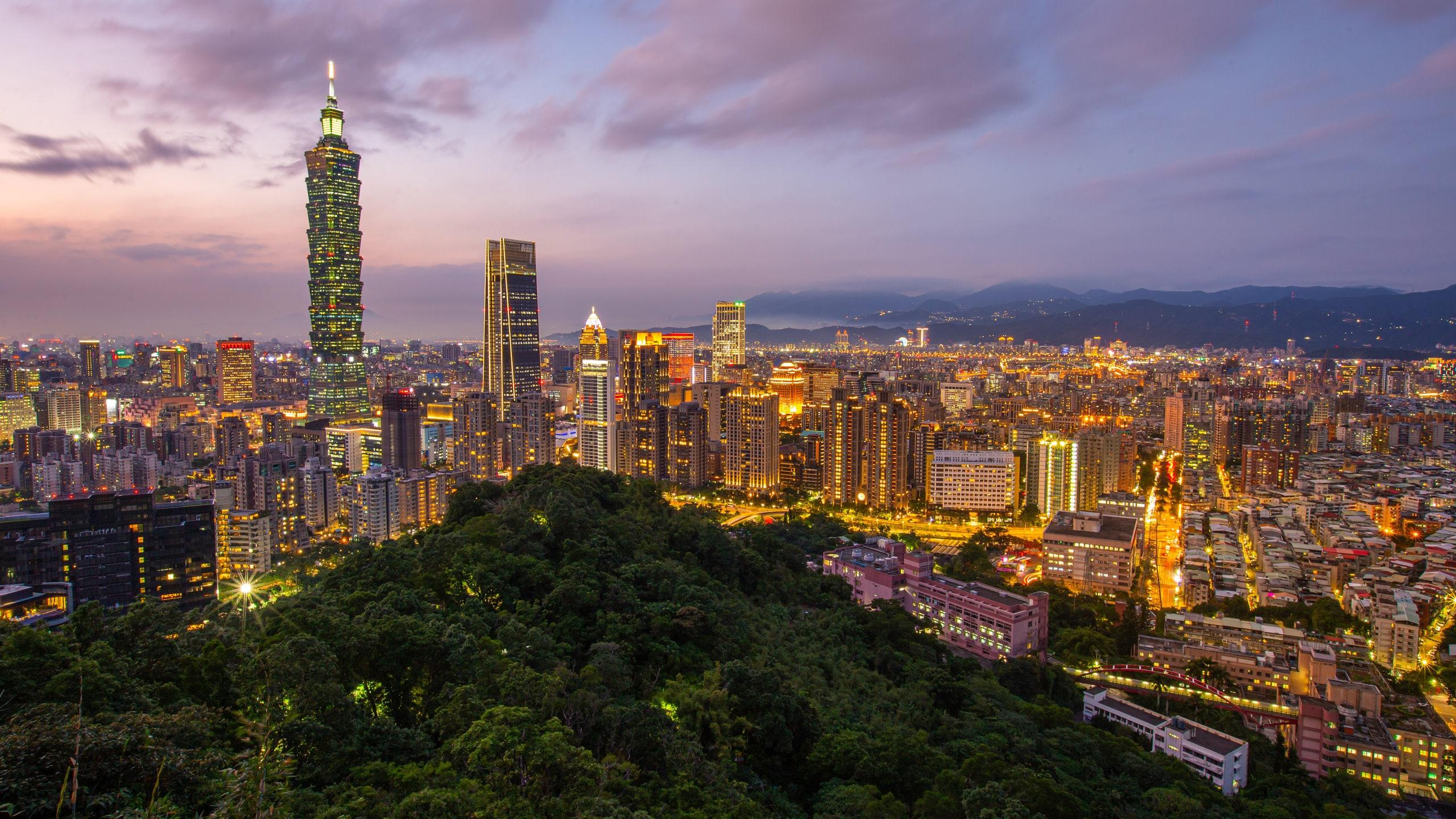
Taiwan Is Not for Sale: Navigating Pressures in a Geopolitical Landscape
As the geopolitical landscape continues to shift in the Asia-Pacific region, Taiwan finds itself at a precarious crossroads, increasingly bearing the weight of international pressures and internal aspirations. With its vibrant democracy, robust economy, and strategic significance, the island nation has become a focal point for global powers vying for influence. In this complex tapestry, the notion that Taiwan could be “for sale”-whether through economic coercion or diplomatic maneuvering-raises crucial questions about sovereignty, security, and the very identity of the Taiwanese people. In this article, we explore the nuances of Taiwan’s position on the global stage, the implications of foreign interests, and the resilience of a society determined to define its own destiny amidst rising tensions.
Taiwan’s Sovereignty and Global Implications
The ongoing debate surrounding Taiwan’s sovereignty not only captures the attention of politicians but also resonates deeply across global markets and diplomatic relationships. As a vital player in the semiconductor industry, Taiwan’s technology sector serves as a linchpin for countries worldwide, making its political status a matter of international concern. The following factors highlight the implications of Taiwan’s sovereignty:
- Economic Dependency: Major economies, including the U.S. and EU nations, rely heavily on Taiwanese semiconductor production for various industries.
- Supply Chain Stability: Any disruption in Taiwan could lead to a ripple effect, impacting global technology and manufacturing sectors.
- Geopolitical Tensions: Taiwan’s status often serves as a flashpoint between the United States and China, complicating diplomatic relations.
Furthermore, the growing assertiveness from Beijing poses a genuine threat not only to Taiwan but also to regional peace and security. This situation prompts international actors to reconsider their approach to defense and foreign policy, often leading to initiatives aimed at strengthening alliances and deterrence strategies in the Asia-Pacific. The potential outcomes may include:
| Potential Outcomes | Description |
|---|---|
| Increased Military Presence | Enhanced U.S. military support and presence in the region to deter threats. |
| Economic Sanctions | Potential sanctions against China to protect Taiwan’s sovereignty. |
| Diplomatic Alliances | Strengthening alliances with other nations to support Taiwan’s claim. |
The Role of International Alliances in Safeguarding Taiwan
International alliances play a pivotal role in bolstering Taiwan’s sovereignty and security amidst escalating tensions in the Asia-Pacific region. Countries such as the United States, Japan, and members of the European Union have expressed steadfast support for Taiwan’s democratic governance and territorial integrity. This support translates into various forms of cooperation, including military aid, intelligence sharing, and joint military exercises aimed at deterring any aggressive moves by neighboring powers. Specifically, initiatives such as the Taiwan Relations Act highlight the commitment of allied nations to aid Taiwan should the need arise, reinforcing its position on the global stage.
Furthermore, multilateral discussions focusing on Taiwan have become increasingly vital in strengthening regional stability. Key alliances provide a platform for Taiwan to engage with international partners, thereby diversifying its diplomatic avenues. Such efforts are critical in addressing pressing issues, including trade relationships, technological advancements, and environmental challenges. The united front formed through these alliances is essential for advocating Taiwan’s interests globally and ensuring that the island remains a key player in regional affairs. The following table summarizes the contributions of key international partners in support of Taiwan:
| Partner Country | Support Mechanisms |
|---|---|
| United States | Military aid, arms sales, diplomatic visits |
| Japan | Security cooperation, economic partnerships |
| European Union | Trade agreements, political support |
Economic Strategies for Resilience Against External Pressures
In an era where geopolitical tensions are shaping global trade dynamics, Taiwan’s approach to enhancing its economic resilience is pivotal. The government is prioritizing diversification of supply chains, reducing dependence on a single source for critical goods and services. This entails fostering stronger trade relationships with nations like the United States and Japan while also exploring emerging markets in Southeast Asia. Moreover, Taiwan is investing in domestic innovation to boost its high-tech sectors, ensuring that its products remain competitive on the global stage.
To further bolster its economic defenses, Taiwan is embracing sustainable development as a core principle. This includes initiatives aimed at enhancing energy independence through renewable resources, which mitigates vulnerabilities from fluctuating fossil fuel prices. Additionally, Taiwan’s focus on enhancing its digital infrastructure supports a robust, modern economy capable of weathering external shocks. The following table highlights key strategies and their expected impacts:
| Strategy | Expected Impact |
|---|---|
| Supply Chain Diversification | Reduced dependency on a single market |
| Investment in High-Tech Sectors | Increased global competitiveness |
| Renewable Energy Initiatives | Enhanced energy independence |
| Digital Infrastructure Development | Greater economic resilience |
Closing Remarks
In conclusion, the complexities surrounding Taiwan’s geopolitical status and its rejection of foreign encroachments underscore a critical moment in international relations. As Taiwan continues to assert its sovereignty, the implications of its stance extend far beyond its borders, influencing regional stability and global diplomatic dynamics. The Taiwanese people remain steadfast in their commitment to self-determination, making it clear that their future cannot be dictated by external powers. As tensions escalate in this vital corner of the Asia-Pacific, the world watches closely, recognizing that Taiwan is not merely a point of contention but a beacon of democratic resilience. Moving forward, the international community must navigate these turbulent waters with a focus on respect, dialogue, and support for Taiwan’s right to chart its own course.