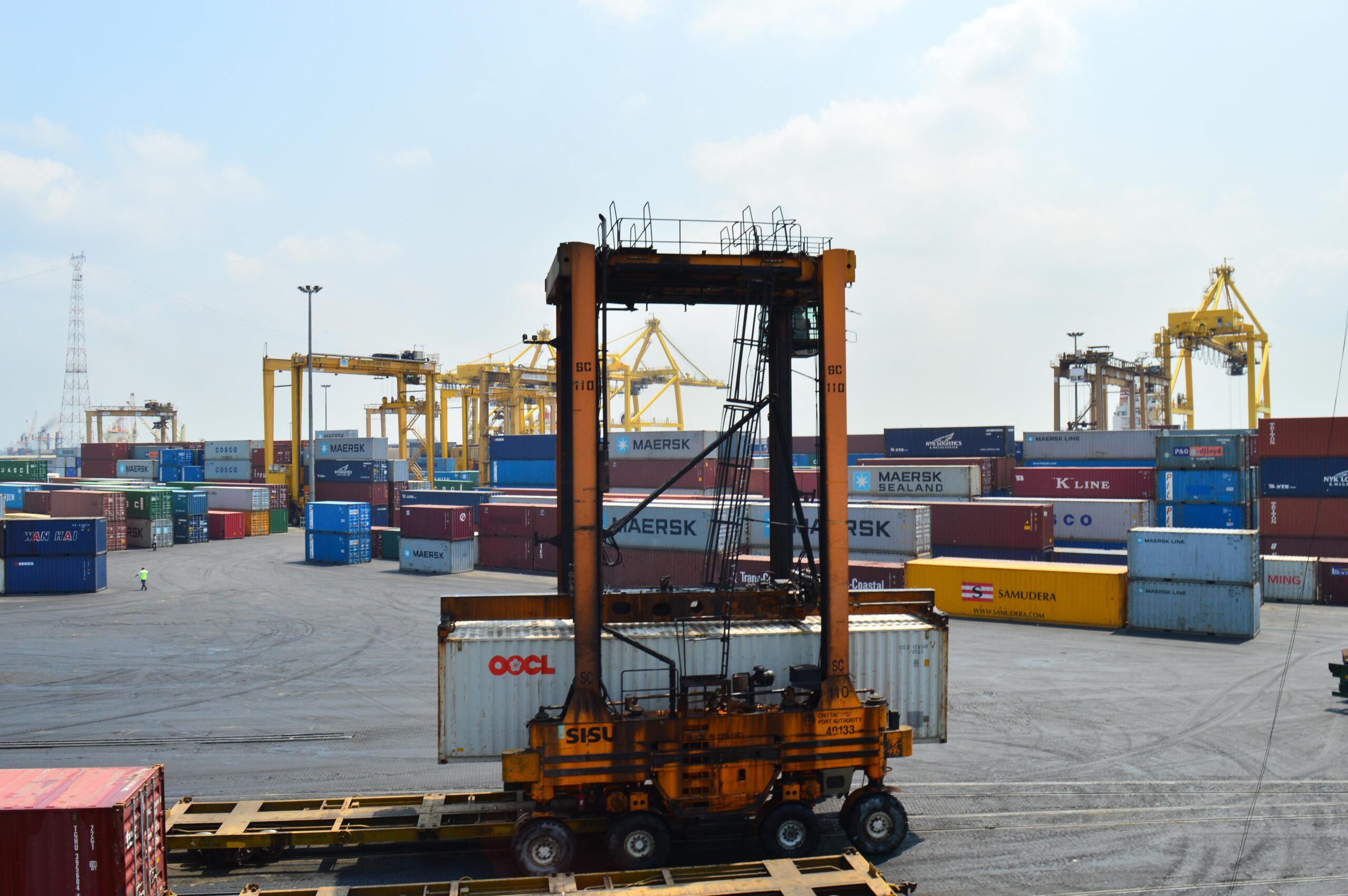
Chittagong Port: Bangladesh May Be Distancing India By Bringing China Closer
In a strategic maritime development that could reshape regional dynamics, Chittagong Port in Bangladesh is emerging as a focal point in the country’s burgeoning relationship with China. As Bangladesh enhances its port infrastructure and logistics capabilities, concerns are growing in India about a possible shift in influence. The deepening ties between Dhaka and Beijing may not only affect trade routes but also geopolitical allegiances in South Asia. This article explores the implications of Bangladesh’s growing partnership with China against the backdrop of its historically significant relationship with India, highlighting the potential consequences for diplomatic relations and regional stability.
Chittagong Port’s Strategic Shift: Implications for India-Bangladesh Relations
The recent developments at Chittagong Port indicate a significant shift in Bangladesh’s geopolitical alignments, particularly in relation to India and China. As Dhaka seeks to enhance its maritime infrastructure and economic viability, the increasing engagement with Chinese investments is crucial. Key factors driving this shift include:
- China’s substantial financial support for port development projects
- The strategic advantages offered by Chinese expertise in port management
- Growing trade volumes between Bangladesh and China, which necessitate efficient logistics
This pivot towards China could have lasting repercussions for India-Bangladesh relations, as it may lead to an imbalance in regional partnerships. Potential implications include:
| Impact on Relations | Details |
|---|---|
| Increased Tensions | India may view closer ties with China as a threat to its influence in South Asia. |
| Erosion of Trust | Past collaborations between India and Bangladesh might be reassessed amidst new alignments. |
| Economic Rivalry | Competition for regional trade routes could intensify, affecting bilateral trade agreements. |
China’s Growing Influence in Bangladesh: Economic Partnerships and Regional Dynamics
The recent developments at Chittagong Port signify a pivotal shift in Bangladesh’s foreign relations, particularly its growing economic ties with China. This strategic port, as a gateway for trade, is becoming increasingly essential in the context of China’s Belt and Road Initiative (BRI). The partnership promises significant infrastructure investments, potentially boosting Bangladesh’s economy and enhancing its connectivity in the region. As the Chinese government commits to funding key projects, including the expansion of the port facilities, the implications for regional dynamics could be profound. Key aspects of this partnership include:
- Increased trade volume: Expedited shipping routes and enhanced capacity.
- Job creation: Construction and operational opportunities for local populations.
- Geopolitical implications: Redefining alliances in South Asia.
As Bangladesh deepens its relationship with Beijing, concerns about distancing from traditional ally India are growing. India has historically viewed its influence in Bangladesh as crucial not only for bilateral relations but also for regional stability. However, with Chinese loans and investment now flowing into strategic sectors, Bangladesh’s path seems to be realigning. Considerable investments are also anticipated in sectors such as energy and telecommunications, which could further consolidate China’s footprint in the country. The table below highlights recent investments made by Chinese firms in Bangladesh:
| Investment Sector | Investment Amount (USD) | Projected Impact |
|---|---|---|
| Infrastructure | 2 Billion | Port Expansion |
| Energy | 1.5 Billion | Renewable Projects |
| Telecommunications | 500 Million | Network Development |
Recommendations for India: Strengthening Maritime Ties and Enhancing Diplomatic Engagement
As the closeness between Bangladesh and China continues to evolve, India must strategically adapt its maritime engagements to reinforce its foothold in South Asia. Strengthening bilateral maritime ties can be achieved through several key initiatives, including:
- Expanding Port Partnerships: Enhancing collaboration with Bangladesh on shared port management and logistics can help India mitigate competition while supporting regional trade.
- Increasing Naval Cooperation: Joint naval exercises with Bangladesh and other regional partners can foster stronger collaborative ties and improve maritime security.
- Promoting Maritime Infrastructure Development: Offering technological and financial support for infrastructure improvements in Bangladeshi ports ensures a mutually beneficial investment and deepens economic ties.
Furthermore, enhancing diplomatic engagement in the maritime domain is critical for India to effectively counterbalance China’s growing influence. India should focus on:
- Bilateral Dialogues: Establishing regular diplomatic dialogues focused on maritime security can help in addressing mutual concerns and preventing misunderstandings.
- Regional Collaborations: Initiating multilateral forums that include Bangladesh and other countries in the Indian Ocean Region may create a platform for a unified approach to maritime governance.
- Cultural Exchange Programs: Initiating exchanges centered around maritime heritage can strengthen people-to-people connections and enhance mutual understanding.
| Strategy | Expected Outcome |
|---|---|
| Expand Port Partnerships | Greater regional commerce |
| Increase Naval Cooperation | Enhanced security collaboration |
| Promote Maritime Infrastructure | Stronger economic ties |
| Establish Diplomatic Dialogues | Preventive conflict resolution |
| Initiate Regional Collaborations | Unified maritime governance |
| Launch Cultural Exchange Programs | Strengthened connections |
Concluding Remarks
In conclusion, the evolving dynamics surrounding Chittagong Port signal a significant shift in Bangladesh’s geopolitical stance, particularly in its relations with India and China. As Dhaka enhances its collaboration with Beijing, concerns mount over the potential repercussions for India, which has enjoyed a historically strong partnership with Bangladesh. The strategic importance of Chittagong Port as a pivotal trade hub cannot be overstated, and its growing connectivity with Chinese investments raises questions about the future trajectory of regional alliances. As stakeholders monitor these developments, the delicate balance of power in South Asia continues to be tested, with implications that could reverberate across the region for years to come. The unfolding narrative between these nations warrants close attention as it may redefine trade routes, influence diplomatic ties, and reshape the strategic landscape of South Asia.