Russia to Begin Trading Gold on St. Petersburg Exchange: A Strategic Pivot to Asia
In a significant move that underscores its shifting economic strategies, Russia is set to launch gold trading on the St. Petersburg International Mercantile Exchange. This development marks not only a pivotal moment for the country’s financial landscape but also highlights Russia’s concerted efforts to deepen its economic ties with Asian markets. Amidst escalating geopolitical tensions and Western sanctions, the decision to formalize gold trade reflects a broader strategy to bolster its economy and assert greater independence from traditional Western banking and trade systems. As the global market grapples with uncertainty, Russia’s pivot to Asia may reshape the dynamics of precious metal trading and redefine its role in the international arena.
Russia’s Strategic Shift: Implications of Gold Trading on the St. Petersburg Exchange
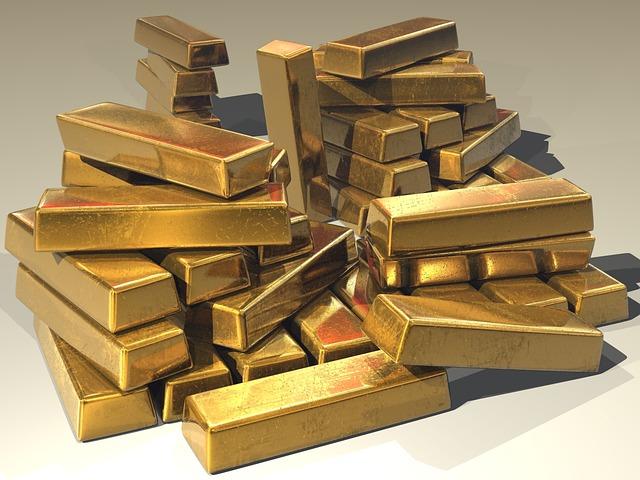
The decision to initiate gold trading on the St. Petersburg Exchange marks a significant turning point in Russia’s economic strategy, particularly in its pivot toward Asia. With Russia seeking to expand its influence and establish stronger ties with Asian markets, this new trading initiative is set to diversify its economic partnerships and potentially reshape the global gold market. The following are some key implications of this strategic shift:
- Increased regional influence: By centralizing gold trading, Russia positions itself as a significant player in Asian economic affairs, fostering collaborations with nations like China and India.
- Russia’s financial autonomy: Engaging in gold trading allows Russia to reduce reliance on Western financial systems, potentially circumventing sanctions while strengthening its currency.
- Market stability: The establishment of a local gold market may stabilize Russian gold prices, attracting further investments while providing domestic security during geopolitical tensions.
Moreover, this strategic shift may herald a transformation in how gold is valued globally, as it signifies a broader trend of countries seeking to buffer against dollar dependence. With a structured trading environment, the St. Petersburg Exchange will aim to attract both domestic and international investors, facilitating a robust liquidity framework for gold transactions. The expected outcome can be summarized in the table below:
| Aspect | Implication |
|---|---|
| Market Access | Enhanced access for Asian investors |
| Currency Impact | Potential strengthening of the ruble |
| Trade Efficiency | Streamlined transactions and lower costs |
| Investment Climate | Attracting foreign and domestic gold investors |
Analyzing the Economic Impact of Russia’s Gold Market Expansion Towards Asia
As Russia takes bold steps toward expanding its gold market into Asia, the implications for both regional economies and global markets are significant. By launching gold trading on the St. Petersburg Exchange, Russia is positioning itself as a pivotal player in the Asian gold market. This initiative comes amid rising geopolitical tensions and the need for alternative trading routes, particularly given sanctions from Western nations. The ripple effects are likely to encompass shifting trade patterns, enhanced economic partnerships, and a possible realignment of value in precious metals across Asia.
The move not only signals a strategic pivot but also highlights the economic realities that come into play with increased gold trading. The expansion is expected to lead to:
- Increased liquidity for the Russian gold market, allowing for more competitive pricing.
- Attraction of Asian investors, particularly from China and India, which are historically major consumers of gold.
- Strengthened economic ties with neighboring countries, potentially leading to broader trade agreements.
As nations reevaluate their alliances and economic interactions in the face of Western sanctions, the role of gold as a safe haven and alternative currency could redefine financial landscapes in Asia. The implications for global gold prices and trade dynamics will warrant close monitoring in the coming months.
Navigating Opportunities: Recommendations for Investors in Russia’s Gold Sector
Investors looking to capitalize on Russia’s burgeoning gold sector should consider a multi-faceted approach to navigate this evolving market. With the commencement of gold trading on the St. Petersburg Exchange, opportunities for investment are expanding. It is essential for investors to analyze various factors influencing the sector, including geopolitical stability, local demand fluctuations, and Russia’s strategic pivot towards Asia, which may enhance trade routes and mineral exports. Key recommendations include:
- Conduct In-Depth Market Research: Understanding local regulations, production capabilities, and export mechanisms will provide a comprehensive view of the investment landscape.
- Diversify Investments: Balancing gold investments with other assets can mitigate risks associated with volatility in the commodity market.
- Engage with Local Experts: Collaborating with local partners and advisors can offer valuable insights into the sector’s nuances.
Moreover, investors should remain vigilant regarding international reactions to Russia’s economic strategies. The establishment of a local gold trading hub could shift global trading dynamics, drawing interest from Asian markets and increasing demand for Russian gold. To better understand these shifts, an evaluation of key statistics may be helpful:
| Year | Gold Production (Tonnes) | Export Volume (Tonnes) | Average Gold Price (USD/Oz) |
|---|---|---|---|
| 2021 | 330 | 240 | 1,800 |
| 2022 | 350 | 260 | 1,900 |
| 2023 | 370 | 280 | 2,000 |
In Summary
In conclusion, Russia’s decision to commence gold trading on the St. Petersburg Exchange marks a significant step in its broader pivot to Asia and its efforts to diversify economic partnerships amidst ongoing geopolitical tensions. This strategic move not only aims to position Russia as a key player in the global gold market but also seeks to strengthen ties with Asian economies, particularly in light of increasing sanctions from the West. As Russia looks to leverage its natural resources and enhance its financial independence, the ramifications of this initiative will reverberate across markets and influence international trade dynamics. Observers will be keenly watching how this evolution in Russia’s economic strategy unfolds and shapes the future of the country’s engagement with Asia and the global community at large.