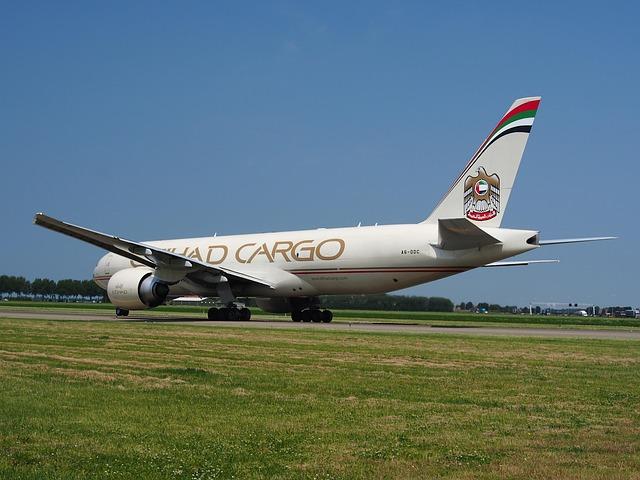
Etihad Airways has announced a significant increase in its daily flights between Tel Aviv and Abu Dhabi, marking a robust upswing in regional travel and signaling a new phase of tourism expansion in the Middle East. The move comes as bilateral ties between the United Arab Emirates and Israel continue to strengthen, fostering greater connectivity and economic collaboration. This enhancement in air service is expected to boost passenger traffic, facilitate business and leisure travel, and contribute to the broader momentum of regional integration and tourism development.
Etihad Airways Boosts Tel Aviv to Abu Dhabi Connectivity Enhancing Business and Leisure Travel
Etihad Airways has ramped up its operations between Tel Aviv and Abu Dhabi, now offering multiple daily flights to cater to the rising demand from both business and leisure travelers. This strategic move not only strengthens the air bridge connecting the two cities but also marks a pivotal moment in fostering economic collaboration and tourism in the region. Increased frequencies aim to support the growing influx of corporate executives, entrepreneurs, and tourists who are keen to explore opportunities and cultural experiences across the UAE and Israel.
The enhanced schedule benefits travelers with flexibility and convenience, allowing for seamless day trips or extended stays. New flight times are designed to fit the busy schedules of professionals while encouraging holidaymakers to immerse themselves in Abu Dhabi’s luxury resorts and vibrant city life. The coming months are set to witness a surge in visitor flow, energized by easier access and broader connectivity. Below is a quick summary of the updated flight offerings:
| Route | Daily Flights | Aircraft Type | Flight Duration |
|---|---|---|---|
| Tel Aviv (TLV) – Abu Dhabi (AUH) | 3 | Boeing 787 Dreamliner | 3h 30m |
| Abu Dhabi (AUH) – Tel Aviv (TLV) | 3 | Boeing 787 Dreamliner | 3h 25m |
- Business Travelers: Enhanced connectivity simplifies meetings and corporate events.
- Tourists: Easier access to cultural landmarks and luxury destinations.
- Flexibility: Multiple departure options across the day.
Impact of Increased Flight Frequency on Regional Tourism and Economic Growth
The surge in flight frequency between Tel Aviv and Abu Dhabi has triggered a significant uptick in regional tourism, fostering deeper cultural exchanges and boosting hospitality sectors on both ends. Frequent and accessible flights not only encourage weekend getaways and business travels but also pave the way for expanded tour packages and collaborative events. Local businesses, including hotels, restaurants, and entertainment venues, are already experiencing heightened demand, which translates into job creation and infrastructure development. This rapid increase in connectivity acts as a catalyst for sustained tourism growth, attracting a broader spectrum of visitors ranging from solo travelers and families to corporate clients.
Economically, the enhanced air link supports diversification efforts by positioning the region as a thriving hub for commerce and leisure. The ease of travel has significantly lowered barriers for investors and entrepreneurs, encouraging cross-border ventures and stimulating start-ups focused on travel tech and service innovation. The table below illustrates key economic indicators affected by the flight increase in the first quarter following the schedule expansion:
| Indicator | Percentage Growth | Sector Impacted |
|---|---|---|
| Tourism Revenue | 18% | Hospitality & Attractions |
| Business Travel Bookings | 25% | Corporate Services |
| Employment Rates | 12% | Transportation & Services |
- Enhanced regional connectivity fosters smoother logistics and trade.
- Cultural tourism initiatives gain momentum with increased visitor inflow.
- Small and medium enterprises benefit from greater market access.
Strategic Recommendations for Travelers and Industry Stakeholders to Leverage New Opportunities
Travelers should capitalize on the enhanced connectivity by planning trips that combine both cultural exploration and leisure in Abu Dhabi and Tel Aviv. With increased flight frequency, there is greater flexibility in travel schedules, allowing for shorter layovers and more spontaneous city breaks. Additionally, keeping an eye on promotional fares and bundled travel packages offered by Etihad Airways can provide excellent value. Travelers are also encouraged to explore multi-destination itineraries within the UAE and Israel, unlocking new experiences across both nations in a single trip. Mobile apps and travel advisories can help streamline navigation of updated visa policies and health protocols.
For industry stakeholders, this surge in daily flights presents fresh opportunities to boost tourism-related services and collaborations. Hospitality providers, tour operators, and local businesses should consider joint marketing campaigns emphasizing the seamless Abu Dhabi-Tel Aviv corridor. Developing tailored travel packages that highlight regional attractions, culinary tours, and cultural festivals can attract diverse traveler segments. Additionally, investing in sustainable tourism initiatives will appeal to environmentally-conscious visitors and align with global travel trends. Stakeholders may also benefit from data-sharing partnerships with airlines to better forecast demand and optimize resource allocation.
| Recommendation Category | Key Actions |
|---|---|
| For Travelers |
|
| For Industry Stakeholders |
|
The Way Forward
The increase in daily flights between Tel Aviv and Abu Dhabi by Etihad Airways marks a significant milestone in the evolving landscape of Middle Eastern travel and tourism. As connectivity strengthens between the two cities, industry experts anticipate a surge in business and leisure travel, fostering deeper economic and cultural ties within the region. This development not only highlights Etihad’s commitment to expanding its network but also signals a broader trend of enhanced regional cooperation and tourism growth. Stakeholders will be closely watching how this move influences travel patterns and contributes to the ongoing transformation of the Middle Eastern aviation sector.