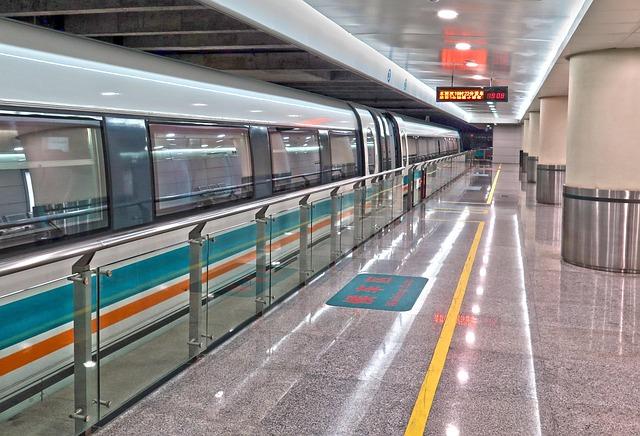
The Future of UK Travel: Maglev Trains Could Cut London to Edinburgh Journey to Just 60 Minutes
In a groundbreaking development poised to revolutionize travel across the United Kingdom, plans for the implementation of magnetically levitated (maglev) trains are gaining momentum. With proposals suggesting that these advanced transportation systems could reduce the journey time between London and Edinburgh to a mere 60 minutes, the vision of a more connected Britain is quickly moving from concept to reality. As the UK grapples with growing concerns over congestion and environmental sustainability, the potential for maglev technology presents an innovative solution that could redefine intercity travel. Industry experts, government officials, and transport advocates are now looking closely at the implications of this high-speed rail network, which promises not only to expedite travel times but also to stimulate economic growth and foster deeper regional ties. In this article, we delve into the technology behind maglev trains, the expected impact on the UK transport landscape, and the broader significance of this leap into the future of travel.
The Transformative Potential of Maglev Technology in UK Rail Travel
The potential for maglev (magnetic levitation) technology to revolutionize rail travel in the UK is immense. By utilizing advanced magnetic levitation systems, these trains can achieve remarkable speeds while significantly reducing travel times between major cities. A journey from London to Edinburgh, which currently takes several hours, could be shrunk to a mere 60 minutes. This advancement not only promises to change the commuter landscape but also stands to enhance connectivity across regions, fostering economic growth and promoting tourism through seamless transport links. As cities become more interlinked, the UK rail network could transform into a vital, efficient lifeline for business and social interactions.
The benefits of implementing maglev technology extend beyond speed. Notable advantages include:
- Environmental Sustainability: Maglev trains run on electricity, significantly reducing carbon emissions compared to traditional diesel trains.
- Noise Reduction: The absence of contact between the train and tracks minimizes noise pollution, enhancing the quality of life for communities near rail lines.
- Operational Efficiency: Maglev systems require less maintenance due to fewer mechanical components subject to wear.
In addition, the initial investment in infrastructure could lead to substantial job creation and technological advancements within the country. As discussions of funding and construction plans advance, stakeholders must consider both the societal impacts and economic potential of this technological shift.
Economic and Environmental Impacts of Speeding Up Cross-Country Journeys
The potential transformation of travel in the UK through maglev trains invites a consideration of its economic and environmental ramifications. By significantly reducing the travel time between London and Edinburgh to a mere 60 minutes, the economic implications could be profound. With faster connections, businesses could benefit from increased productivity, as professionals spend less time commuting and more time engaging in meaningful interactions. This could lead to:
- Boosted Local Economies: Enhanced connectivity may invigorate smaller towns along the route, allowing them to capitalize on the influx of visitors.
- Job Creation: The development, maintenance, and operation of a maglev network could generate a multitude of new jobs.
- Increased Tourism: A 60-minute link could make day trips feasible, drawing tourists from around the world to explore Scotland’s capital.
From an environmental perspective, maglev trains offer the promise of a more sustainable travel alternative. Utilizing electromagnetic propulsion, these trains produce significantly lower CO2 emissions compared to traditional rail and air travel, contributing to the UK’s climate goals. In addition, the reduced noise pollution associated with maglev technology could lead to calmer urban and rural environments. Below is a comparison of CO2 emissions from different modes of travel:
| Transport Mode | CO2 Emissions (g/km) |
|---|---|
| Maglev Train | 8 |
| Conventional Train | 30 |
| Car | 120 |
| Domestic Flight | 250 |
Recommendations for Infrastructure Development and Investment in Maglev Systems
As the United Kingdom explores the potential of maglev train systems, a strategic approach to infrastructure development is essential. Investment in state-of-the-art stations should be a priority, ensuring that they are not only functional but also integrate seamlessly with existing transport networks. Additionally, collaboration with technology firms can lead to innovative solutions that enhance safety and efficiency. The design and construction of tracks must consider environmental impacts, promoting sustainable construction practices that reflect the UK’s commitment to reducing carbon emissions.
Furthermore, establishing a public-private partnership model could generate the necessary funding and expertise for maglev projects. Government incentives for investments in maglev technology could stimulate interest from private sectors, expediting development timelines. Engaging the public early in the planning process through community consultations will help address concerns and garner support. The potential for transforming travel between major cities such as London and Edinburgh hinges on a collaborative, forward-thinking investment strategy that prioritizes innovation and sustainability.
The Way Forward
As the journey towards a revolutionized travel experience continues, the potential introduction of Maglev trains marks a significant leap forward for the UK’s transportation landscape. With the prospect of slashing travel time between London and Edinburgh to just 60 minutes, this innovative technology could redefine intercity connectivity and economic dynamics within the region. Stakeholders in both government and industry must now navigate the complexities of funding, infrastructure development, and public acceptance to turn this ambitious vision into reality. As we stand on the brink of this potential transformation, the future of UK travel may very well hinge on the successful implementation of Maglev technology, paving the way for faster, greener, and more efficient journeys across the nation. We will continue to monitor developments in this area and provide updates on what could be a groundbreaking chapter in UK travel history.