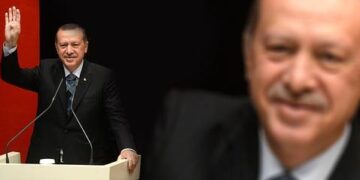
In a significant escalation of tensions in the Middle East, Israel has issued a veiled warning to Turkey amid ongoing disputes over each nation’s role in the Gaza conflict. As diplomatic relations between the two nations strain further, officials in Jerusalem have expressed concern over Ankara’s increasing involvement in Palestinian affairs and its support for Hamas. This development comes at a time when the humanitarian crisis in Gaza continues to unfold, drawing international scrutiny and demands for intervention. The clash between Israel and Turkey underscores not only the complexities of regional politics but also the potential ramifications for stability in the broader Middle East. As both countries navigate this fraught landscape, the implications of their rivalry could impact diplomatic efforts and security dynamics across the region.
Israel’s Diplomatic Maneuvering: Analyzing the Tensions with Turkey over Gaza
The ongoing conflict in Gaza has reignited tensions between Israel and Turkey, with diplomatic exchanges escalating in recent weeks. As Turkey positions itself as a defender of Palestinian rights, Israel perceives Ankara’s rhetoric and actions as both a challenge and a provocation. In a series of statements, Israeli officials have underscored that they are keenly aware of Turkey’s increasing involvement in the region, particularly with respect to humanitarian aid and political support for Gaza. The Israeli government has issued clear warnings, suggesting that Turkey’s meddling could destabilize not only Gaza but also broader regional dynamics.
Key points of contention in the Israeli-Turkish relationship include:
- Humanitarian Aid: Israel’s skepticism about the effectiveness and motives behind Turkey’s aid initiatives in Gaza.
- Political Rhetoric: Ankara’s vocal support for Hamas, which Israel considers a terrorist organization.
- Mediation Attempts: Turkey’s ambitions to act as an intermediary in the Israeli-Palestinian conflict, which Israel views with suspicion.
This strategic confrontation is reflected in recent diplomatic exchanges where both countries have employed strong language to assert their positions. In response to Turkish criticism, Israeli leaders have articulated that any attempt by Turkey to influence the situation in Gaza could have ramifications not only for bilateral relations but also for regional stability. As tensions rise, the potential for escalation remains a significant concern among international observers.
The Impact of Regional Politics: How the Gaza Conflict Shapes Israeli-Turkish Relations
The ongoing conflict in Gaza has become a focal point of tension between Israel and Turkey, with both nations seemingly navigating a complex web of regional politics. Recently, Israeli officials issued a veiled warning to Turkey regarding its involvement and support for Hamas, signaling a deterioration in diplomatic relations. This standoff is underpinned by divergent perspectives on the Gaza crisis, with Israel condemning Turkey’s backing of what it describes as a terrorist organization while Turkey accuses Israel of excessive military actions. The exchange serves to highlight how historical animosities and strategic interests shape the diplomatic landscape.
Amidst growing hostilities, various factors contribute to the ongoing clash between these two nations:
- Historical Tensions: Both countries have a history marked by fluctuating alliances and mutual suspicion.
- Public Sentiment: Domestic politics in both nations have amplified nationalistic sentiments, making diplomatic engagements increasingly precarious.
- Geopolitical Interests: Turkey’s aspiration to assert itself as a leader in the Muslim world often conflicts with Israel’s security concerns.
To better understand the implications of these interactions, a look at key events in recent history reveals growing friction:
| Year | Event | Impact on Relations |
|---|---|---|
| 2010 | Mavi Marmara Incident | Significantly strained relations |
| 2016 | Normalization Agreement | Brief thawing of ties |
| 2023 | Gaza Conflict Escalation | Renewed tensions and warnings |
Strategies for De-escalation: Recommendations for Navigating the Israel-Turkey Dispute
To effectively address the ongoing tensions between Israel and Turkey, several strategies focused on diplomatic dialogue and mutual understanding can pave the way for a more peaceful resolution. Key recommendations include:
- Engage in Open Communication: Establish direct channels of dialogue between Israeli and Turkish leaders to facilitate the exchange of views and mitigate misunderstandings.
- Leverage Multilateral Platforms: Utilize international organizations, such as the United Nations or NATO, to foster discussions that involve other stakeholders, aiming for a collective approach to regional stability.
- Promote Joint Initiatives: Encourage collaborative projects in areas like trade, tourism, or environmental sustainability to help rebuild trust and interdependence between the nations.
Moreover, understanding the historical context and political sensitivities is crucial in designing more effective interventions. The implementation of these recommendations could be supported by:
| Action Item | Expected Outcome |
|---|---|
| Facilitate Cultural Exchanges | Enhance mutual respect and empathy. |
| Host Diplomatic Summits | Reinforce commitments to non-violence. |
| Implement Confidence-Building Measures | Reduce military tensions and promote peace. |
Closing Remarks
In conclusion, the rising tensions between Israel and Turkey underscore a complex geopolitical landscape where historical rivalries and contemporary conflicts intertwine. As both nations navigate their respective roles in the ongoing Gaza crisis, the implications of their actions could resonate far beyond their borders, influencing regional stability and international alliances. The veiled warnings exchanged signal a precarious balance, as both countries remain alert to the potential consequences of escalation. As the situation develops, the world will be watching closely to see how these pivotal players in Middle Eastern politics maneuver through this delicate chessboard of diplomacy and power. Further updates are anticipated as the situation unfolds, highlighting the urgent need for dialogue and resolution in a region long troubled by conflict.