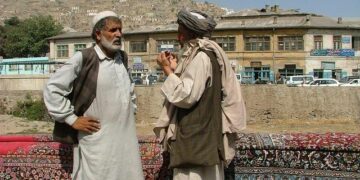
Iraq has called on the international community to share responsibility for the detention and management of ISIS militants held within its borders, stressing that it should not bear the burden alone. The government highlighted the mounting challenges of security, humanitarian, and financial pressures associated with thousands of detainees linked to the extremist group. As concerns grow over potential instability and the risk of renewed violence, Baghdad is urging global partners to increase support and cooperation in addressing the complex issue.
Iraq Appeals for International Support in Managing ISIS Detainees
Iraq is urging the international community to step up and share responsibility for the thousands of detainees affiliated with ISIS currently held within its borders. Baghdad insists that the intricate security, humanitarian, and legal challenges posed by managing these individuals cannot be addressed independently. The government highlights the growing strains on local resources, calling for a coordinated approach involving international expertise, financial aid, and diplomatic cooperation to prevent security lapses and human rights violations.
Officials emphasize several critical areas requiring support, including:
- Improved prison conditions and infrastructure
- Rehabilitation and de-radicalization programs
- International legal frameworks for repatriation and trials
- Enhanced intelligence-sharing to monitor extremist activities
Without a unified approach, Baghdad warns that the risk of destabilization and renewed violence remains alarmingly high.
| Aspect | Current Status | Requested Support |
|---|---|---|
| Prison Capacity | Overcrowded | Facility expansion and funding |
| Rehabilitation | Limited programs | Expertise and resources |
| Legal Process | Backlogs and challenges | International legal assistance |
| Security Monitoring | Strained capabilities | Enhanced intelligence cooperation |
Challenges of Containing ISIS Prisoners Amid Security and Humanitarian Concerns
Managing the growing number of ISIS detainees poses a multifaceted dilemma for Iraqi authorities who find themselves under increasing strain both logistically and politically. Overcrowded prisons, limited resources, and deteriorating infrastructure exacerbate security risks while simultaneously creating humanitarian challenges. Reports from detention facilities indicate a rise in tensions among inmates, escalating the need for heightened vigilance to prevent riots or escapes. Meanwhile, the international community’s reluctance to repatriate foreign fighters or their families leaves Iraq as the primary custodian of thousands of detainees, further deepening the burden on its already stretched security apparatus.
Human rights organizations have repeatedly expressed concerns regarding conditions inside these detention centers, emphasizing the delicate balance between ensuring national security and upholding treatment standards. Key challenges include:
- Insufficient medical care and sanitation facilities
- Overpopulation leading to the spread of diseases
- Limited rehabilitative and de-radicalization programs
- Legal ambiguities regarding prosecution and detention duration
| Issue | Current Status |
|---|---|
| Prison Capacity | Exceeding 150% of designed limits |
| Security Incidents | Frequent minor uprisings |
| International Support | Minimal direct assistance |
| Legal Framework | Ambiguous and inconsistently applied |
Addressing these challenges requires a collaborative approach involving improvements in detention facility infrastructure, expanded rehabilitation initiatives, clearer legal guidelines, and greater international cooperation. Without concerted efforts, the risks posed by the current conditions may undermine regional security and prolong Iraq’s struggle with the aftermath of ISIS.
Would you like me to help with anything else related to this content?
Experts Call for Coordinated Global Strategy to Share ISIS Detention Responsibilities
Global experts and policymakers are urging a unified response to the growing challenges posed by ISIS detainees held in Iraq’s overcrowded facilities. With thousands of foreign fighters captured and detained, Iraq’s justice and correctional systems strain under the immense burden, highlighting the urgent need for international collaboration. Authorities stress that the repercussions extend beyond Iraq’s borders, calling for a strategic framework involving repatriation, rehabilitation, and legal accountability shared among affected nations.
Key demands by experts emphasize:
- Equitable responsibility-sharing among countries of origin to ease Iraqi detention pressures.
- Enhanced intelligence cooperation aimed at securely managing detainee information and preventing future radicalization.
- Investment in rehabilitative programs with standardized international guidelines fostering successful reintegration.
| Detention Challenge | Global Impact | Recommended Action |
|---|---|---|
| Overcrowding | Health risks & security breaches | Shared detainee distribution |
| Lack of resources | Inadequate rehabilitation | Joint funding initiatives |
| Legal complexities | Delayed trials and justice | International legal frameworks |
Key Takeaways
As Iraq continues to grapple with the complex aftermath of ISIS’s territorial defeat, its call for shared responsibility over detainees underscores the broader challenges facing regional and international security. The Baghdad government’s appeal highlights the need for cooperation among global partners to manage the legal, humanitarian, and security dimensions of detaining ISIS suspects. How the international community responds will be a crucial test of collective commitment to justice and stability in the region.