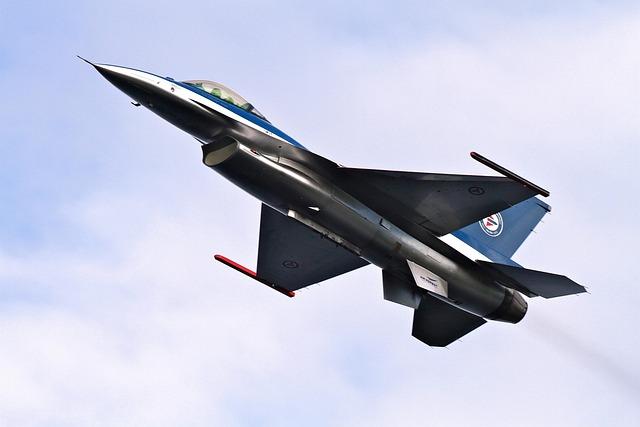
NATO allies are facing growing uncertainty as they weigh the decision between purchasing American or European arms, according to a recent Euractiv report. The debate underscores mounting tensions within the alliance over defense procurement policies, interoperability concerns, and strategic autonomy. As member states seek to bolster their militaries amid an evolving security landscape, the choice of weapons suppliers has significant implications for transatlantic cooperation and the future of European defense integration.
NATO Allies Face Strategic Dilemma Choosing Between US and European Defense Equipment
As tensions escalate across multiple global hotspots, NATO members find themselves at a crossroads when selecting defense matériel. The dilemma revolves around balancing the interoperability benefits of American weapons systems with the political and industrial advantages of European defense technology. While the US offers cutting-edge platforms such as the F-35 fighter jet and advanced missile defense systems, European manufacturers are pushing for greater integration of their indigenous solutions, emphasizing sovereignty and regional economic growth.
Key factors influencing procurement decisions include:
- Compatibility: Ensuring systems work seamlessly within NATO’s integrated command structure.
- Cost: Budget constraints are forcing allies to weigh upfront expenses against lifecycle support.
- Political alignment: Defense contracts are often influenced by geopolitical loyalties and partnerships.
- Industrial base: Supporting local defense industries to maintain technological independence.
| Equipment Type | US Options | European Alternatives |
|---|---|---|
| Combat Aircraft | F-35 Lightning II | Eurofighter Typhoon |
| Armored Vehicles | M1 Abrams | Leopard 2 |
| Missile Defense | THAAD | SAMP/T |
Economic and Political Factors Complicate Procurement Decisions Among Member States
Procurement decisions among NATO member states have become increasingly tangled due to a web of economic interests and geopolitical considerations. With the US and European countries both eager to secure defense contracts, allies find themselves navigating a complex landscape shaped by trade relations, domestic industrial policies, and strategic alignments. The attraction of American arms often lies in their cutting-edge technology and interoperability standards within the alliance, yet European equipment offers competitive advantages through regional partnerships and potential for local manufacturing. This tug-of-war is further exacerbated by political pressures to support national defense industries, making each procurement choice a balancing act between alliance cohesion and sovereign economic priorities.
Key challenges faced by member states include:
- Maintaining interoperability while fostering domestic defense sectors
- Managing political fallout from perceived favoritism toward one supplier over another
- Negotiating price and technology transfer agreements amid varying standards
- Aligning with broader NATO strategic objectives without compromising national interests
| Factor | Impact on Procurement | Example |
|---|---|---|
| Economic Diplomacy | Influences contract awards to favor domestic industries | France promoting Dassault over US fighters |
| Political Alliances | Shapes priorities toward suppliers aligned with policy goals | Poland favoring US systems amid geopolitical tensions |
| Technological Interoperability | Ensures smooth alliance-wide operations | Joint US-European projects like the F-35 program |
Experts Advise Greater Coordination to Streamline Arms Acquisition and Strengthen Alliance Cohesion
Leading defense analysts emphasize the urgent need for enhanced collaboration among NATO members to avoid fragmented arms procurement strategies that risk undermining operational interoperability. Divergent preferences for either American or European military equipment have sown confusion and delays, hampering the alliance’s capability to present a unified front. Experts argue that increased transparency in procurement choices, shared research initiatives, and joint development programs could significantly reduce redundancies and cost overruns. Such coordinated efforts are seen as key to maximizing the strategic value of defense spending while reinforcing the collective security framework.
In practice, aligning acquisition policies demands overcoming national industrial interests and bureaucratic inertia. A proposed approach involves establishing common criteria for evaluating defense platforms, factoring in compatibility with existing NATO systems, lifecycle costs, and technological adaptability. Benefits of this streamlined coordination include:
- Enhanced logistics and maintenance efficiencies
- Improved interoperability on multinational missions
- Greater bargaining power in negotiations with manufacturers
- Stimulated innovation through cross-border industrial cooperation
| Aspect | US Arms | European Arms |
|---|---|---|
| Interoperability | High (NATO standard) | Varies (region-dependent) |
| Cost Efficiency | Higher unit cost | More flexible pricing |
| Technological Innovation | Advanced systems | Growing R&D focus |
| Political Considerations | Strong transatlantic ties | Supports European strategic autonomy |
To Conclude
As NATO allies continue to navigate the complex landscape of defense procurement, the debate over whether to prioritize US or European arms reflects deeper questions about strategic autonomy, interoperability, and political alignment within the alliance. While no clear consensus has yet emerged, the decisions made in the coming months will not only shape the future capabilities of NATO forces but also signal the evolving nature of transatlantic defense cooperation. Stakeholders on both sides of the Atlantic will be watching closely as allies weigh their options amid rising geopolitical tensions and shifting defense priorities.