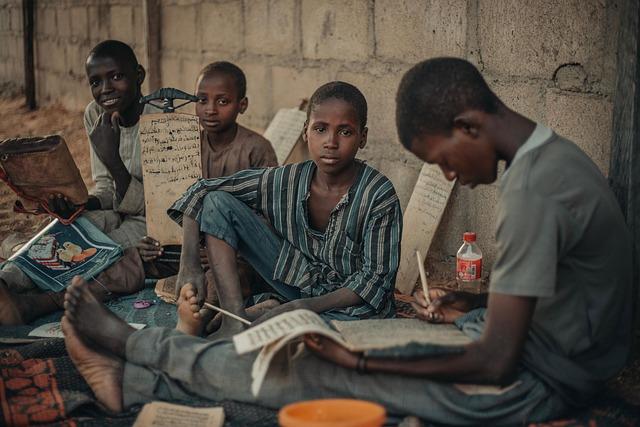
Kano Killing: Death Toll Rises to Seven
In a tragic escalation of violence in Nigeria’s northern region, the death toll from a recent spate of killings in Kano has risen to seven, raising alarm among local authorities and prompting calls for urgent intervention. The incident, which has sent shockwaves through the community, highlights the ongoing issues of insecurity and unrest that plague parts of the country. As families mourn their loved ones, officials are under increasing pressure to address the root causes of such violence, amid growing concerns over safety and the rule of law. This latest tragedy serves as a grim reminder of the challenges facing Nigeria as it grapples with a complex web of social, economic, and political factors fueling unrest.
Rising Violence in Kano: Understanding the Underlying Causes of the Recent Killings
The recent surge in violence in Kano has drawn significant attention, raising alarm amongst residents and security experts alike. Factors contributing to this alarming trend include socioeconomic disparities, political tensions, and ethnic divisions that have historically influenced inter-community relations. Many analysts suggest that the frustration over limited access to economic opportunities has intensified conflicts between different groups, leading to violent confrontations. Additionally, the rise in organized groups embracing violent tactics has compounded the situation, making it increasingly difficult for local law enforcement to maintain peace.
Moreover, the role of external influences cannot be overlooked. Shifts in regional dynamics, coupled with the infiltration of extremist ideologies, have further exacerbated the situation. As resources become scarcer, communities find themselves grappling with heightened competition, often resulting in violent clashes over land, wealth, and power. To better understand this complex issue, it is essential to examine the following key factors:
- Inadequate Law Enforcement: Limited police presence and resources hinder effective crime prevention.
- Poverty and Unemployment: High levels of poverty fuel discontent, pushing youth towards violence.
- Political Manipulation: Political actors may exploit tensions for personal gain, worsening violent outbreaks.
Victims’ Families Demand Justice: The Need for Accountability and Security Reforms
The recent tragic events in Kano have left families grappling with the devastating loss of their loved ones, as the death toll has now tragically risen to seven. These families are coming together, united in their grief and their call for change. They demand not just justice for their lost family members but also sweeping reforms in security measures across the region to prevent further such incidents. Community leaders are emphasizing that it is crucial for the government and security agencies to take concrete actions to address the systemic failures that have put citizens at risk.
Families are urging authorities to implement a comprehensive strategy that includes:
- Enhanced Security Patrols: Increasing police presence in vulnerable areas.
- Community Engagement: Involving local citizens in safety initiatives and neighborhood watch programs.
- Accountability Measures: Establishing a robust system for reporting and tracking crimes effectively.
- Victim Support Services: Providing emotional and financial aid to families affected by violent crime.
As public outcry grows, it becomes imperative for the government to respond with transparent investigations into the killings and a commitment to restoring faith in local law enforcement. The combined voices of the victims’ families must not fall on deaf ears; their demands for justice could very well serve as a catalyst for meaningful change in the security landscape of the region.
Community Leaders Call for Unity: Strengthening Local Resilience Against Instigators of Violence
In response to the recent violence that has shaken the community, local leaders are urgently calling for solidarity among residents to bolster resilience against the instigators of such tragic events. The rise in the death toll in Kano serves as a stark reminder of the pressing need for collective action. Community forums are being organized to promote dialogue and understanding, emphasizing the importance of unity in the face of adversity. Leaders are encouraging citizens to:
- Engage in peaceful dialogues to address grievances and avoid escalation of tensions.
- Collaborate with law enforcement to identify and report suspicious activities within neighborhoods.
- Participate in community policing initiatives aimed at ensuring safety and security for all.
As the community grapples with the aftermath of these events, support for affected families is critical. Various organizations have stepped forward to offer assistance, and coordinated efforts are underway to ensure that basic needs are met. Local leaders have highlighted the importance of creating a transparent support structure, encouraging residents to contribute by:
- Donating essential supplies such as food and medical supplies for those impacted.
- Volunteering time to help rebuild community trust and provide emotional support.
- Sharing information about resources available for victims and their families.
| Support Initiative | Description |
|---|---|
| Food Drive | Collecting non-perishable food items for affected families. |
| Medical Aid Fund | Raising funds to cover medical expenses for injured individuals. |
| Community Gathering | Hosting an event to foster solidarity and healing among residents. |
In Retrospect
As the death toll continues to rise in the tragic events surrounding the Kano killing, the community grapples with the aftermath of violence that has left families shattered and heightened tensions. With seven confirmed fatalities, authorities are under increasing pressure to ensure justice and restore peace in the region. Local leaders and activists are calling for a thorough investigation to hold those responsible accountable, while residents seek reassurance from law enforcement. As the situation unfolds, The Guardian Nigeria will remain committed to providing updates on this developing story, striving to shed light on the underlying issues and the path forward for a community in mourning.