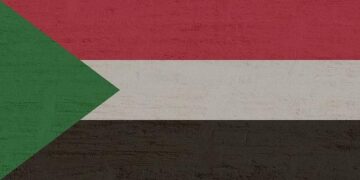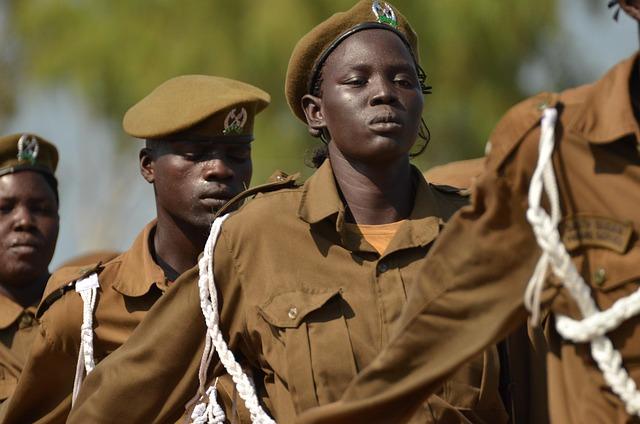
As Sudan grapples with the aftermath of the military’s recent decision to retake control of Khartoum, the nation stands at a pivotal crossroads. The power struggle that has unfolded between rival factions-most notably the Sudanese Armed Forces and the paramilitary Rapid Support Forces-has plunged the country into chaos, leaving millions in uncertainty. With the capital now back under military rule, questions abound about the future of governance, stability, and the humanitarian situation on the ground. In this article, we explore the implications of the army’s resurgence in Khartoum, the potential trajectories for Sudan’s political landscape, and the challenges that lie ahead for its citizens amidst ongoing strife.
The Political Landscape Shifts: Assessing the Immediate Impact of Military Control in Khartoum
The recent reassertion of military control in Khartoum marks a significant turning point for Sudan’s socio-political dynamics, raising questions about governance, stability, and international relations. As the army consolidates its grip, the immediate impact reverberates through various sectors of Sudanese society. Key concerns include:
- Political Representation: The army’s dominance often sidelines civilian governance, stymieing genuine democratic reforms.
- Human Rights Violations: A military takeover raises the specter of increased repression, limiting freedoms and civil liberties.
- Economic Consequences: Investors may hesitate, fearing instability, potentially leading to currency devaluation and inflation.
Furthermore, the shifting political landscape is likely to reshape Sudan’s diplomatic relationships, particularly with Western nations. The army’s leadership must navigate a complex web of alliances and pressures, especially regarding potential sanctions and configurations of foreign aid. Notably, the effectiveness of international engagement depends on:
| Factor | Potential Outcome |
|---|---|
| International Sanctions | Potential economic isolation, affecting public welfare. |
| Humanitarian Aid | Increased reliance on foreign assistance amidst local instability. |
| Regional Alliances | Shifts that might bolster or undermine internal power dynamics. |
Humanitarian Crisis Looms: Addressing the Needs of Displaced Populations Amidst Ongoing Turmoil
As the army reestablishes control over Khartoum, the humanitarian situation in Sudan grows increasingly dire, especially for millions of internally displaced persons (IDPs). The ongoing conflict has led to widespread displacement, with families forced to flee their homes in search of safety. The challenges they face are daunting-unreliable access to basic necessities such as food, clean water, and healthcare is rampant. Humanitarian organizations estimate that over 4 million people are currently displaced, highlighting the urgent need for immediate action to address these vulnerabilities.
The international community must respond with a concerted effort to provide assistance and alleviate the suffering of these populations. Key actions should include:
- Increased Funding: Donor countries and organizations must bolster their financial contributions to humanitarian aid programs.
- Protection Measures: Safeguarding the rights and welfare of displaced individuals must be prioritized, ensuring they receive necessary legal aid and support.
- Access to Services: Humanitarian corridors must be opened to facilitate safe passage for aid workers and supplies into affected regions.
To effectively illustrate the rising needs, the following table summarizes key humanitarian indicators in Sudan:
| Indicator | Current Status | Projected Needs |
|---|---|---|
| Displaced Persons | 4 Million+ | 6 Million |
| Food Insecurity | Over 20% | 30%+ |
| Lack of Clean Water | 35% | 50%+ |
Moving forward, it is critical for both national and international stakeholders to engage collaboratively, ensuring that the voices of displaced populations are heard. Without immediate and comprehensive intervention, the potential for widespread famine and disease looms large, threatening not only those directly affected but also regional stability.
Pathways to Stability: Recommendations for International Engagement and Support in Sudan’s Transition
In the aftermath of the military’s resurgence in Khartoum, international engagement is more critical than ever to guide Sudan toward a stable and democratic future. Key stakeholders must collaborate and provide multifaceted support to facilitate a sustainable transition. Diplomatic efforts should include:
| Recommendation | Description |
|---|---|
| Enhanced Diplomatic Communication | Encourage dialogue among Sudanese factions, emphasizing the importance of a unified political front. |
| Humanitarian Aid | Increase support for local NGOs focusing on basic needs such as food, healthcare, and shelter. |
| Economic Sanctions Review | Assess and potentially lift sanctions that hinder economic recovery while ensuring accountability. |
| Capacity Building | Invest in training programs for civil society to promote civic engagement and governance skills. |
Moreover, the international community should harness its leverage to hold accountable those obstructing the peace process. Incentives for Cooperation could include:
| Incentive | Impact |
|---|---|
| Financial Assistance | Direct funding to initiatives that promote democratic practices. |
| Access to International Markets | Facilitate trade agreements contingent on improved governance. |
| Technical Support | Provide expertise in legal reforms and institution-building initiatives. |
| Peacekeeping Forces | Deploy peacekeepers to stabilize conflict-prone regions. |
Future Outlook
As Sudan navigates the turbulent waters following the military’s recapture of Khartoum, the nation’s future remains a complex tapestry woven with threads of hope, uncertainty, and potential conflict. The recent developments signal not only a shift in power dynamics but also raise pressing questions about governance, civilian rights, and the stability of the region. As Sudanese citizens look to rebuild their lives amid the aftermath of turmoil, the international community’s role will be crucial in supporting efforts towards a lasting resolution. Moving forward, the path chosen by Sudan’s leadership could either pave the way for dialogue and reform, or plunge the country back into chaos. As events unfold, the world watches closely, eager to see what strategies and alliances will emerge in this pivotal moment in Sudanese history.