Sudanese Government Announces Return to Capital Khartoum Amid Ongoing Political Turmoil
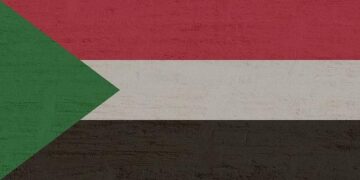
In a significant development amid persistent unrest, the Sudanese government has officially declared its intention to return to the capital, Khartoum, after months of instability that have shaken the nation. The announcement, which comes at a time of heightened political tensions and economic hardship, signals a pivotal moment in Sudan’s ongoing struggle for stability and governance. As the government seeks to re-establish its presence in the capital, analysts and citizens alike are left to ponder the implications of this decision on both security conditions and the broader political landscape in Sudan. The move is poised to reshape the dynamics of power within the country and could either pave the way for renewed governance or exacerbate existing divisions among the populace and political factions.
Sudanese Government’s Strategic Decision to Resume Operations in Khartoum
The Sudanese government has made a pivotal choice to recommence its operations in the capital, Khartoum, a decision marking a significant shift in the political landscape of the region. This move is a response to the escalating demands for stability and governance as the nation grapples with ongoing challenges stemming from conflict and economic hardships. Officials have underscored the importance of reestablishing a functional administration in the capital to revitalize public services, restore law and order, and foster an environment conducive to dialogue and recovery.
Key components of this strategic decision include:
- Reopening essential services: Government offices and public health facilities are expected to resume operations, laying the groundwork for support and aid to citizens.
- Infrastructure assessment: Expert teams will evaluate the state of critical infrastructure to determine immediate repair needs and funding requirements.
- Public engagement: The government plans to hold public forums to listen to citizen grievances and gather input on future governance strategies.
To facilitate this transition, the government is expected to implement a phased approach, focusing initially on securing vital areas of the city and progressively expanding operations. A collaborative effort with international partners is also anticipated to attract investment and humanitarian aid, vital for rebuilding trust and fostering a resilient future.
| Focus Area | Goal | Timeline |
|---|---|---|
| Public Services | Restoration of basic services | Immediate to 3 months |
| Infrastructure | Assessment and repair | 1 to 6 months |
| Public Consultation | Gather citizen feedback | Ongoing |
Impact on Stability and Security in the Capital Amid Ongoing Conflicts
The announcement from the Sudanese government regarding the return to Khartoum has heightened concerns about stability and security within the capital, particularly in the context of ongoing conflicts. Residents are apprehensive as violence escalates in surrounding areas, potentially spilling into urban centers. Key factors affecting the situation include:
- Increased military presence: The government has pledged to deploy more security forces to safeguard vital infrastructure and maintain public order, yet this could lead to heightened tensions.
- Displacement of populations: As clashes continue, reports indicate a surge in internally displaced persons seeking refuge in Khartoum, straining resources and complicating humanitarian efforts.
- Economic instability: Businesses face closures and reduced operations due to the unrest, contributing to a growing sense of uncertainty among residents about their future.
In light of these developments, experts warn that the social fabric of Khartoum could be at risk. Both fear and resilience are palpable among citizens, prompting calls for dialogue and interventions from the international community. To provide further insights, the table below highlights the key concerns and measures being implemented:
| Concern | Current Measures |
|---|---|
| Public Safety | Increased security patrols |
| Humanitarian Needs | Launch of donor initiatives |
| Economic Impact | Support for local businesses |
Recommendations for International Community Engagement in Sudan’s Transition
As Sudan embarks on a critical phase of its political evolution, the international community holds significant leverage and responsibility in nurturing a stable transition. Engagement must prioritize genuine partnerships with local stakeholders, ensuring that interventions align with the aspirations of the Sudanese people. Multi-layered recommendations include:
- Strengthening Civil Society: Support initiatives that empower grassroots organizations and amplify diverse voices across Sudan’s social fabric.
- Promoting Inclusive Dialogue: Facilitate platforms for dialogue that engage all political factions, including marginalized groups, to foster national consensus.
- Providing Financial Assistance with Accountability Measures: Allocate funds tied to clear benchmarks ensuring progress towards democracy and human rights.
- Encouraging International Observers: Deploy election monitors and human rights observers during critical political processes to enhance transparency.
Furthermore, it is essential to tailor external support to the unique challenges faced by Sudan. Key actions to consider include:
| Action | Description |
|---|---|
| Capacity Building | Train local governance structures to enhance transparency and accountability. |
| Cultural Exchange Programs | Initiate exchanges that promote shared understanding and democratic values. |
| Emergency Humanitarian Support | Address immediate needs in conflict-affected areas while supporting long-term recovery efforts. |
Through these concerted efforts, the international community can make a profound impact in assisting Sudan as it navigates this pivotal transition towards peace and democratic governance.
Final Thoughts
In conclusion, the Sudanese government’s announcement of its return to the capital, Khartoum, marks a significant turning point in the country’s ongoing political landscape. With hopes of restoring stability and governance within the capital, officials aim to reinvigorate efforts toward dialogue and reconciliation amidst ongoing challenges. As the nation navigates its complex path forward, the international community will be closely monitoring developments, hoping for a return to peace and prosperity in a region long marked by conflict. The next few months will undoubtedly be crucial as the government seeks to re-establish its authority and address the pressing needs of its citizens.