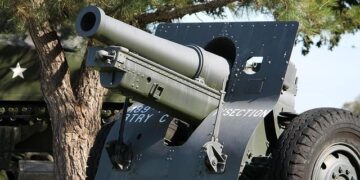
Taipei – Taiwan has stated that the United States has not approached it regarding any transfers of weapons to the Middle East, Reuters reports. The clarification comes amid ongoing international scrutiny over arms shipments in the region, reflecting Taiwan’s careful diplomatic positioning amid complex geopolitical dynamics.
Taiwan Clarifies No US Contact Regarding Weapons Transfers to Middle East
Taiwan’s Ministry of National Defense has publicly stated that there have been no communications or requests from the United States regarding the transfer of arms to countries in the Middle East. This clarification aims to dispel recent speculation fueled by rumors in international media about a possible weapons deal involving Taipei. The ministry emphasized that Taiwan remains cautious and closely monitors regional security developments but has not engaged in any discussions about arms shipments beyond its own defense requirements.
Key points highlighted by Taiwanese officials include:
- No official outreach from the US concerning arms transfers.
- A firm commitment to transparency in defense policies.
- Focus on strengthening Taiwan’s own military capabilities amid regional tensions.
| Aspect | Status |
|---|---|
| US-Taiwan arms talks | No contact |
| Middle East weapons transfers | No involvement |
| Taiwan defense focus | Internal readiness |
Implications for Taiwan US Defense Relations Amid Regional Tensions
The recent statement from Taiwan clarifying that it has not been approached by the United States regarding weapons transfers to the Middle East arrives amid escalating regional tensions in East Asia. This assertion underscores the delicate nature of Taiwan-US defense interactions, which remain tightly focused on the island’s immediate security concerns. Analysts suggest that Washington’s current strategic priorities reflect a balancing act between addressing Middle Eastern conflicts and reaffirming commitments in the Indo-Pacific region, where Taiwan’s defense posture continues to be a cornerstone of US regional policy.
The situation invites closer scrutiny of the following factors shaping Taiwan-US defense relations:
- Diplomatic signaling: Taiwan’s prompt rebuttal serves as a message to both domestic and international audiences about its role and limits in global arms cooperation.
- Resource allocation: The US may be reallocating military aid and weaponry based on immediate geopolitical needs, without sidelining Taiwan’s defense requirements.
- Regional stability: The East Asian security architecture could be impacted if Taiwan perceives a diminished US commitment or if arms transfers spark unintended escalations elsewhere.
| Factor | Potential Impact |
|---|---|
| US Strategic Focus | Balancing Middle East and Indo-Pacific priorities |
| Taiwan’s Security Perception | Maintaining confidence in US defense guarantees |
| Regional Stability | Risk of escalation if arms dynamics shift |
| Diplomatic Messaging | Signaling alliance priorities and boundaries |
Experts Recommend Enhanced Transparency and Diplomatic Dialogue on Arms Transactions
Amid growing concerns over global arms proliferation, international experts underscore the necessity for heightened transparency in defense transactions. Clear, open communication channels between nations can help prevent misunderstandings and unintended escalations, particularly in volatile regions like the Middle East. Analysts argue that ensuring transparency in arms deals not only enhances accountability but also supports compliance with international laws and norms, ultimately contributing to regional stability.
Diplomatic engagement remains a critical tool for mitigating risks associated with arms transfers. Facilitating sustained dialogue between supplier and recipient states can address security concerns and foster trust. Experts also recommend the establishment of regular multilateral forums to monitor and review transactions, encouraging cooperation over confrontation. The following table highlights key benefits of this approach:
| Benefit | Impact |
|---|---|
| Transparency | Reduces misinformation and suspicion |
| Diplomatic Dialogue | Builds mutual understanding and trust |
| Multilateral Oversight | Encourages compliance and accountability |
| Conflict Prevention | Minimizes risk of escalation |
To Wrap It Up
As tensions continue to shape geopolitical dynamics in the Middle East, Taiwan’s statement clarifying that the United States has not engaged it regarding weapons transfers underscores the complexities of international arms diplomacy. Observers will be watching closely to see how Washington navigates its strategic partnerships in the region amid evolving security challenges. Further updates are expected as developments unfold.